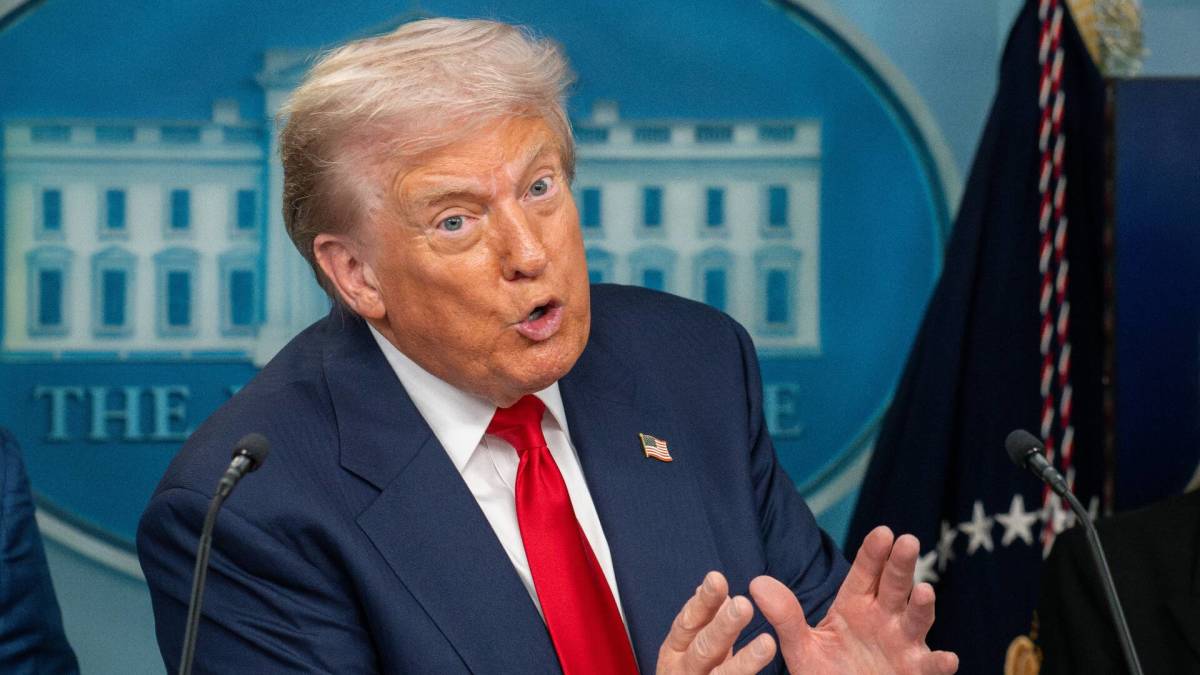
As the US heads into midterm elections, the nation’s divide is not only testing the political landscape but also sending ripples through the financial markets, leaving investors to ponder how America’s electoral indifference might impact their portfolios and the overall economy, including factors like inflation.
Key Takeaways
- The midterm elections can significantly influence market trends due to potential policy changes and shifts in political power.
- Historically, midterm elections have seen lower voter turnout, which can impact the outcome and subsequently affect market confidence.
- Investors should be aware of the potential economic implications of election outcomes, including changes in tax policies, regulations, and government spending.
Understanding the Midterm Elections: A Deep Dive
The midterm elections, as humorously noted by David Letterman, often receive less attention than presidential elections but are crucial for determining the balance of power in Congress. This balance can significantly affect the implementation of policies, which in turn can influence the economy and financial markets. For instance, changes in tax laws or regulations can directly impact corporate profits and individual investments.
Imagine an investor who has a significant stake in the tech industry. Depending on the outcome of the midterm elections, policies affecting tech companies could change, impacting the investor’s portfolio. Similarly, investors in the healthcare sector would be keenly watching any shifts in healthcare policy that could influence their investments.
Context: Why This Matters Now
The current economic climate, with its concerns over inflation and interest rates, makes the midterm elections particularly relevant. The Federal Reserve’s actions to combat inflation, such as raising interest rates, can be influenced by the political environment. Historically, similar to the 2008 financial crisis, economic downturns have been mitigated or exacerbated by government responses, which are directly influenced by the political makeup of Congress.
Furthermore, the divide in America, reflected in the political landscape, can lead to gridlock in Washington, affecting the passing of significant legislation that could address economic challenges. This gridlock can lead to market volatility as investors react to the uncertainty surrounding future economic policies.
Pros and Cons for Your Portfolio
- Risk: A highly divided government could lead to policy paralysis, potentially causing market volatility and negatively impacting investments, especially in sectors sensitive to government regulations and spending.
- Opportunity: On the other hand, a change in the political landscape could bring about policies that are more favorable to certain industries or investments, such as renewable energy or infrastructure projects, presenting opportunities for growth.
What This Means for Investors
Given the potential impact of the midterm elections on the financial markets, investors should adopt a strategic perspective. This includes diversifying portfolios to mitigate risks associated with any single policy outcome and keeping a close eye on election results and subsequent policy announcements. Investors might also consider sectors that are less sensitive to political changes or those that could benefit from a shift in the political landscape.
Ultimately, the midterm elections serve as a reminder of the interconnectedness of politics and economics. As such, investors must be vigilant and prepared to adjust their strategies in response to the evolving political and economic environment. By understanding the potential implications of the midterm elections, investors can make more informed decisions and navigate the complexities of the financial market with greater confidence.