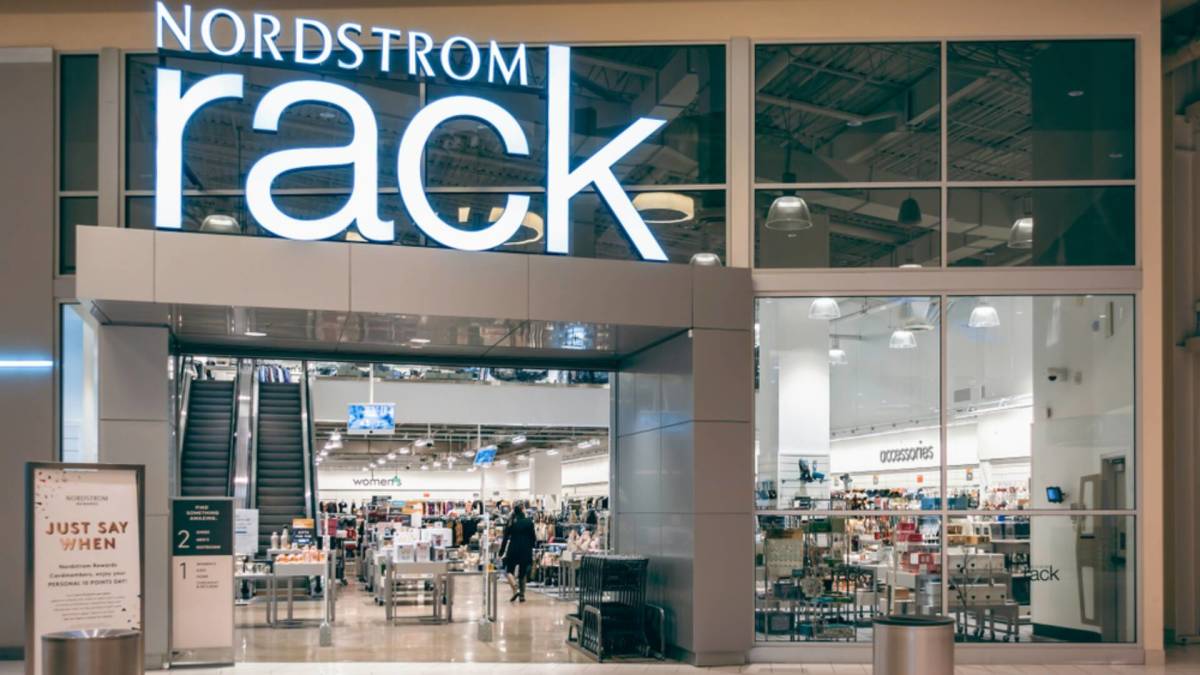
As the retail landscape continues to evolve, Nordstrom’s decision to accelerate its Rack expansion strategy amid a retail slump has significant implications for investors, highlighting the importance of adapting to changing consumer behaviors and economic conditions.
Key Takeaways
- Nordstrom is expanding its Rack business, focusing on off-price retail to combat the current retail slump.
- The move is part of a broader strategy to enhance profitability and competitiveness in a challenging market environment.
- The expansion into off-price retail reflects the company’s efforts to diversify its offerings and cater to a wider range of consumers.
Nordstrom’s Rack Expansion: A Deep Dive
Nordstrom’s decision to accelerate its Rack expansion is a strategic move aimed at capitalizing on the growing demand for off-price retail. By expanding its Rack business, Nordstrom seeks to provide customers with a wider range of affordable, high-quality products, thereby increasing its competitiveness in the market. This move is particularly significant in the context of the current retail environment, where many traditional retailers are struggling to adapt to changing consumer behaviors and preferences.
The Rack expansion strategy involves opening new locations and enhancing the e-commerce capabilities of the off-price division. This will enable Nordstrom to reach a broader customer base, including those who are looking for discounted prices on brand-name products. The company’s focus on off-price retail also reflects its recognition of the importance of affordability and value in the current market environment.
Context: Why This Matters Now
The retail industry is currently experiencing a significant slump, driven by factors such as inflation, changes in consumer behavior, and the rise of e-commerce. In this context, Nordstrom’s decision to accelerate its Rack expansion is a timely move, as it allows the company to diversify its offerings and cater to a wider range of consumers. The off-price retail model has proven to be resilient in times of economic uncertainty, and Nordstrom’s expansion into this space is likely to enhance its profitability and competitiveness.
Historically, off-price retailers have performed well during periods of economic downturn, as consumers become more price-sensitive and seek out affordable alternatives to traditional retail. Similar to the 2008 crash, when off-price retailers experienced significant growth, the current market environment presents an opportunity for Nordstrom to capitalize on the demand for affordable, high-quality products.
Pros and Cons for Your Portfolio
- Risk: The expansion into off-price retail may cannibalize sales from Nordstrom’s full-line stores, potentially impacting the company’s overall profitability. Additionally, the competitive landscape for off-price retail is intense, with established players such as TJX Companies and Ross Stores.
- Opportunity: The off-price retail model offers significant potential for growth, as consumers increasingly seek out affordable, high-quality products. By expanding its Rack business, Nordstrom can enhance its competitiveness, increase its market share, and drive long-term profitability.
What This Means for Investors
For investors, Nordstrom’s Rack expansion strategy presents a compelling opportunity to capitalize on the growing demand for off-price retail. While there are risks associated with the expansion, the potential upside is significant, particularly in the context of the current retail environment. Investors should consider the following strategic perspective: by diversifying their portfolios to include off-price retailers such as Nordstrom, they can potentially enhance their returns and mitigate the risks associated with the traditional retail sector.
Imagine an investor who bought into Nordstrom’s stock prior to the announcement of the Rack expansion strategy. As the company continues to execute on its plan, the investor may benefit from the potential upside of the off-price retail model, including increased sales, profitability, and competitiveness. However, it is essential to carefully consider the risks and challenges associated with the expansion, including the potential cannibalization of sales from full-line stores and the intense competitive landscape.
In conclusion, Nordstrom’s decision to accelerate its Rack expansion is a strategic move that reflects the company’s efforts to adapt to the changing retail landscape. As investors, it is crucial to understand the implications of this strategy and consider the potential opportunities and risks associated with the off-price retail model. By doing so, investors can make informed decisions and potentially enhance their returns in a challenging market environment.