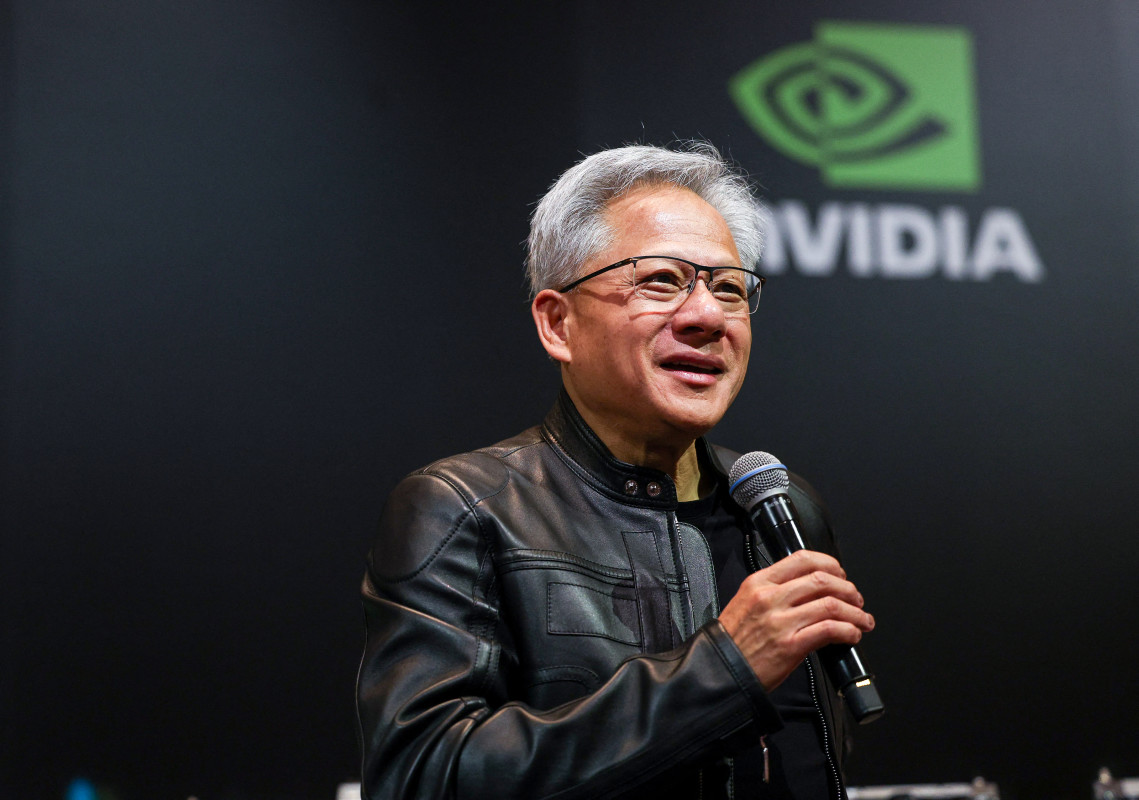
As the market continues to grapple with the nuances of AI integration, a recent insight from Bank of America has shed light on an Nvidia-linked market setup that could potentially redefine investment strategies, highlighting the importance of artificial intelligence in current market trends.
Key Takeaways
- Bank of America has identified a significant market opportunity linked to Nvidia’s influence on the AI buildout timeline.
- This shift is driven by Nvidia’s ability to reset the timetable for AI integration, potentially strengthening the case for investments in related technologies.
- Investors are advised to consider the implications of this setup on their portfolios, weighing both the potential benefits and drawbacks of investing in AI-driven markets.
Nvidia and the AI Buildout: A Deep Dive
Nvidia, a leader in the tech industry, has been at the forefront of AI development, with its graphics processing units (GPUs) playing a crucial role in machine learning and AI applications. The company’s influence on the AI buildout timeline is significant, as its technologies enable faster and more efficient processing of complex data sets, a critical component of AI systems. This has led to a paradigm shift in how industries approach AI integration, with many now looking to Nvidia as a benchmark for their own AI development timelines.
Context: Why This Matters Now
The current economic landscape, marked by rapid technological advancements and an increasing demand for digital transformation, has created a fertile ground for AI integration. As companies across various sectors seek to leverage AI for competitive advantage, the role of Nvidia and similar tech giants becomes even more pivotal. Historical precedents, such as the dot-com bubble and the 2008 financial crisis, have shown that technological innovation can both drive market growth and pose significant risks. Today, the AI buildout, facilitated by companies like Nvidia, presents a similar dual-edged scenario, where the potential for substantial returns is accompanied by the risk of market volatility.
Pros and Cons for Your Portfolio
- Risk: Investing in Nvidia or AI-related stocks carries the risk of market volatility, as the sector is highly sensitive to technological advancements and regulatory changes. A misstep in the AI buildout timeline or an unforeseen shift in market sentiment could lead to significant losses.
- Opportunity: On the other hand, the potential upside of investing in AI-driven markets is substantial. As AI continues to transform industries, companies at the forefront of this technology, like Nvidia, are poised for considerable growth. Early investors in such markets could reap substantial rewards, provided they navigate the risks effectively.
What This Means for Investors
Given the complex landscape of AI integration and its potential impact on the market, investors are advised to approach this opportunity with a strategic perspective. This involves conducting thorough research on Nvidia and other key players in the AI sector, considering both the short-term risks and the long-term potential for growth. Diversification is key, as investing solely in AI-related stocks could expose a portfolio to undue risk. Instead, a balanced approach that includes a mix of tech, traditional industries, and possibly hedge funds or index funds tracking the AI sector could provide a more stable foundation for navigating the opportunities and challenges presented by the Nvidia-linked market setup.
Conclusion and Future Outlook
In conclusion, the Nvidia-linked market setup identified by Bank of America presents a significant opportunity for investors, but it also comes with its set of challenges. As the AI buildout continues to evolve, it’s essential for investors to stay informed and adapt their strategies accordingly. The future outlook for AI-driven markets is promising, with potential applications in healthcare, finance, and education among others. However, navigating this landscape successfully will require a deep understanding of the technologies involved, the companies leading the charge, and the broader economic factors at play.
Investment Strategies for the AI Era
Investors looking to capitalize on the AI trend should consider a multi-faceted approach. This could involve investing in tech stocks like Nvidia, as well as in companies that are leveraging AI in innovative ways across various sectors. Additionally, diversification through a mix of assets, including bonds, real estate, and commodities, can help mitigate risk. For those interested in a more passive investment strategy, exchange-traded funds (ETFs) focused on AI and tech could provide a straightforward entry point into these markets.
Final Thoughts
As the market continues to evolve in response to AI integration, staying ahead of the curve will be crucial for investors. By understanding the Nvidia-linked market setup and its implications, investors can make more informed decisions about their portfolios. Whether you’re a seasoned investor or just starting out, the key to success in the AI era will be a combination of knowledge, strategy, and the ability to adapt to the rapid changes that are sure to come.