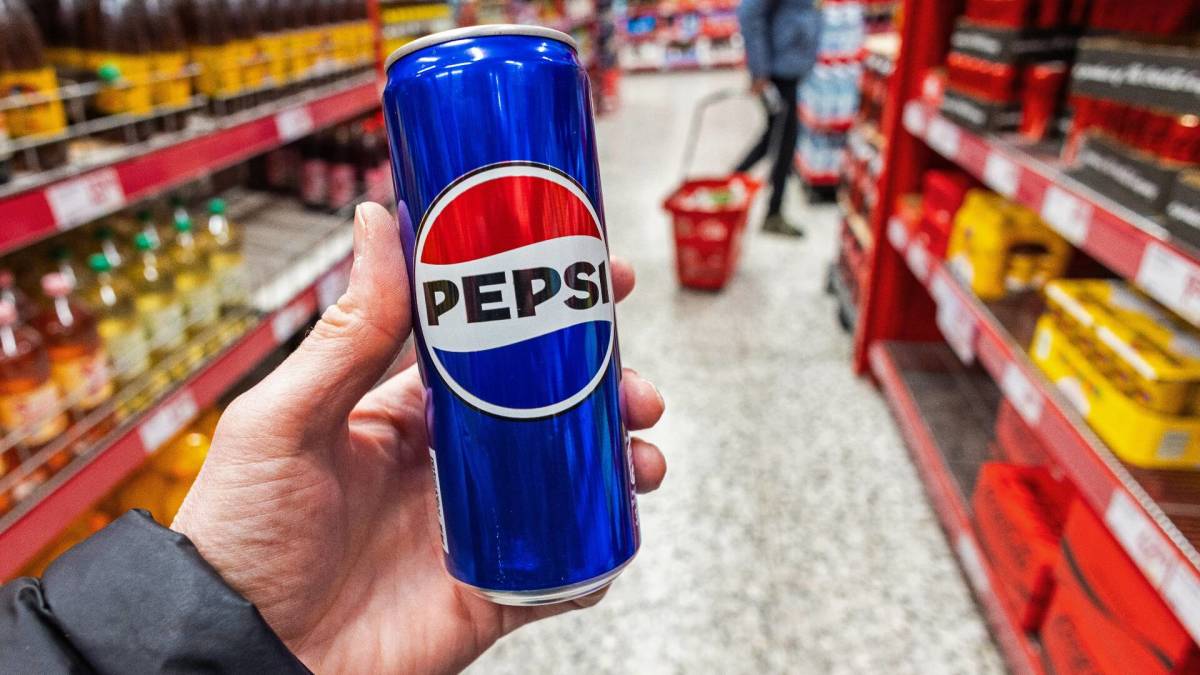
PepsiCo’s recent announcement to cut product lines and implement layoffs signals a significant shift in the company’s strategy to combat weak consumer demand, a move that could have far-reaching implications for investors and the broader consumer goods industry.
Key Takeaways
- PepsiCo is streamlining its operations to focus on core brands and improve efficiency.
- The company aims to reverse weak consumer demand by adapting to changing market trends and consumer preferences.
- This strategic move could impact PepsiCo’s stock performance and the overall beverage and snack food sector.
PepsiCo’s Strategic Shift: A Deep Dive
PepsiCo, one of the world’s largest food and beverage companies, has made a bold decision to cut underperforming product lines and reduce its workforce. This move is designed to help the company navigate the challenging market conditions and improve its competitiveness. By focusing on its core brands and streamlining operations, PepsiCo aims to enhance its efficiency, reduce costs, and ultimately drive growth.
The decision to cut product lines is likely a response to the changing consumer landscape, where consumers are increasingly seeking healthier, more sustainable options. PepsiCo’s portfolio includes a wide range of brands, from Pepsi and Gatorade to Quaker Oats and SunChips. By eliminating underperforming brands, the company can allocate more resources to its most successful and promising products.
Context: Why This Matters Now
The current economic environment is characterized by inflation, which works by reducing the purchasing power of consumers as prices for goods and services rise. In this context, companies like PepsiCo must adapt to changing consumer behavior and preferences. As consumers become more budget-conscious, they are likely to prioritize essential items over discretionary purchases, making it essential for companies to have a strong portfolio of core brands that can withstand economic fluctuations.
Historically, similar strategic shifts have occurred in response to significant changes in the market. For example, during the 2008 financial crisis, many companies were forced to restructure and streamline their operations to stay afloat. Similarly, in the early 2020s, the COVID-19 pandemic led to a significant shift in consumer behavior, with many companies adapting to the new reality by investing in e-commerce and digital transformation.
Pros and Cons for Your Portfolio
- Risk: The layoffs and product line cuts could lead to short-term disruptions and potential brand damage, negatively impacting PepsiCo’s stock performance.
- Opportunity: By streamlining its operations and focusing on core brands, PepsiCo may be able to improve its efficiency, reduce costs, and increase its competitiveness, ultimately driving long-term growth and shareholder value.
What This Means for Investors
Investors should closely monitor PepsiCo’s progress in implementing its new strategy and assess the potential impact on the company’s stock performance. While the short-term effects may be uncertain, the long-term benefits of streamlining operations and focusing on core brands could be significant. Imagine an investor who bought PepsiCo stock before the announcement; they may be wondering whether to hold, sell, or buy more shares. A strategic perspective would suggest that investors should consider the company’s potential for long-term growth and its ability to adapt to changing market conditions.
Historically, companies that have successfully navigated significant strategic shifts have often emerged stronger and more resilient. For example, during the 2021 tech boom, companies that invested in digital transformation and innovation were able to capitalize on the growing demand for technology services. Similarly, PepsiCo’s decision to focus on its core brands and streamline operations could position the company for long-term success, making it an attractive investment opportunity for those with a strategic perspective.
Investment Strategies
Investors considering PepsiCo stock should weigh the potential risks and opportunities. A value investing approach might involve looking for undervalued stocks with strong fundamentals, such as PepsiCo, which could benefit from the company’s strategic shift. On the other hand, a growth investing approach might focus on companies with high growth potential, such as those in the technology or healthcare sectors.
Ultimately, the key to successful investing is to have a well-diversified portfolio and a long-term perspective. By considering the potential implications of PepsiCo’s strategic shift and adapting to changing market conditions, investors can make informed decisions that align with their investment goals and risk tolerance.
Conclusion
In conclusion, PepsiCo’s decision to cut product lines and implement layoffs is a significant strategic shift that could have far-reaching implications for investors and the broader consumer goods industry. By understanding the context and potential implications of this move, investors can make informed decisions that align with their investment goals and risk tolerance. As the market continues to evolve, it is essential to stay informed and adapt to changing conditions, always keeping a strategic perspective in mind.