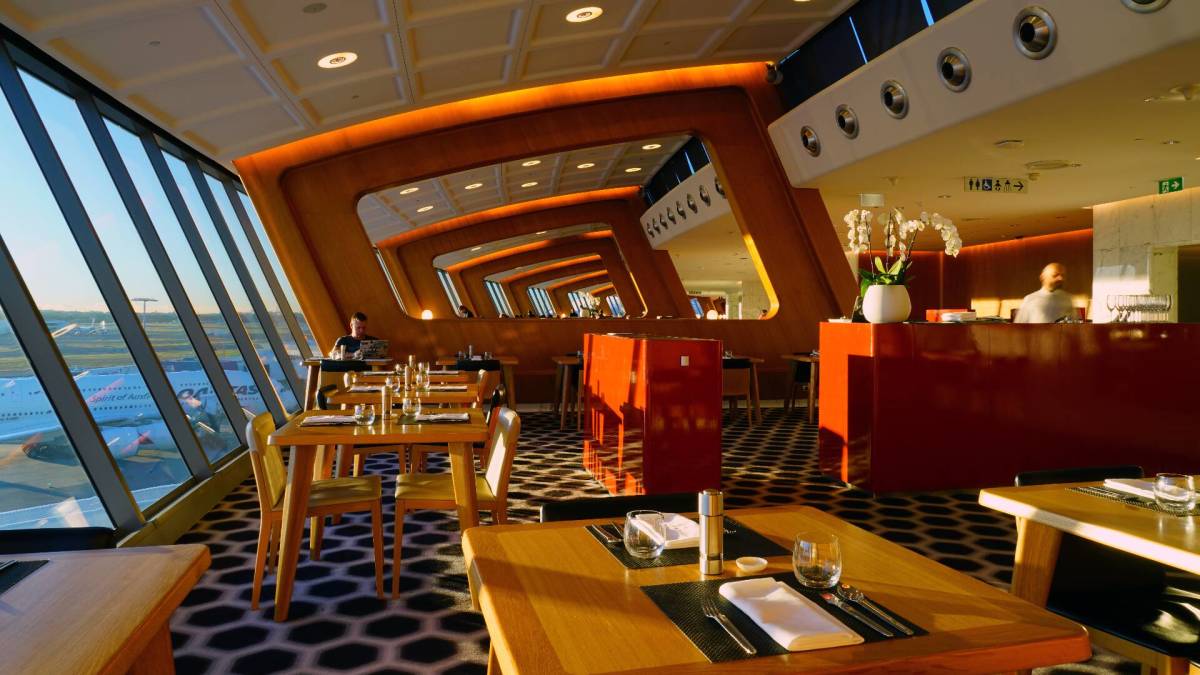
As Qantas Airways embarks on Project Sunrise, aiming to overtake Singapore Airlines with the world’s longest flight, a surprising move has caught the attention of investors: the airline is banning its executives from flying first class, a decision that reflects a broader strategy to cut costs and enhance profitability in a competitive market.
Key Takeaways
- Qantas Airways is preparing to launch Project Sunrise, the longest flight in the world, which will allow passengers to see two sunrises.
- The airline has banned its executives from flying first class as part of a cost-cutting measure.
- This move is part of Qantas’s strategy to enhance profitability and competitiveness in the global aviation market.
Deep Dive into Qantas’s Strategy
Qantas Airways, the flagship airline of Australia since 1922, is on the cusp of a significant milestone with Project Sunrise, dubbed as such because passengers on these flights will witness two sunrises. This ambitious project underscores the airline’s commitment to innovation and customer experience. However, behind the scenes, Qantas is also focusing on internal measures to ensure the project’s success, including the recent decision to ban executives from flying first class. This move is emblematic of the airline’s broader strategy to streamline operations and reduce costs, reflecting a cost-saving approach that is crucial in the highly competitive aviation industry.
Context: Why This Matters Now
The decision by Qantas to ban its executives from first-class travel comes at a time when the aviation industry is facing numerous challenges, including rising fuel costs, increased competition, and the need to adapt to changing consumer preferences. Historically, similar cost-cutting measures have been implemented by airlines during periods of economic downturn or high fuel prices, such as during the 2008 financial crisis. The current context, with its unique blend of post-pandemic recovery and ongoing global economic shifts, necessitates that airlines like Qantas remain agile and proactive in managing their expenses. The inflation in fuel and operational costs, for instance, makes it essential for airlines to explore all avenues of cost reduction, including executive travel policies.
Pros and Cons for Your Portfolio
- Risk: The ban on first-class travel for executives might be seen as a stringent measure that could impact morale and retention among top talent, potentially affecting the airline’s long-term strategy and decision-making capabilities.
- Opportunity: On the other hand, this move demonstrates Qantas’s commitment to fiscal discipline and efficiency, which could enhance its competitiveness and appeal to investors looking for airlines with robust financial management and a clear path to profitability.
What This Means for Investors
For investors considering Qantas or the broader aviation sector, this move signals a proactive approach to cost management and a focus on enhancing the bottom line. While there are potential risks to consider, such as the impact on executive morale, the overall strategy reflects a prudent approach to navigating the challenges facing the industry. Investors should look for airlines that balance customer experience with fiscal responsibility, as these are likely to be better positioned for long-term success. As Qantas embarks on Project Sunrise and continues to streamline its operations, investors will be watching closely to see how these strategies play out and what they might mean for the airline’s future profitability and competitiveness in the global market.
Historical Precedents and Future Outlook
Similar moves by other companies in the past have shown that cost-cutting measures, when implemented thoughtfully, can lead to significant improvements in financial performance. For instance, companies that reduced executive perks and focused on operational efficiency during the 2021 economic recovery saw notable gains in shareholder value. As Qantas moves forward with Project Sunrise and its cost-saving initiatives, the airline will likely face scrutiny on how these measures impact both its financials and its ability to attract and retain top talent. The success of Project Sunrise, coupled with the airline’s internal cost-cutting measures, will be crucial in determining Qantas’s position in the global aviation market and its appeal to investors.
Investment Strategies
Investors considering investing in Qantas or similar airlines should adopt a long-term perspective, focusing on the company’s ability to execute its strategic plans, including Project Sunrise, and its commitment to fiscal discipline. It’s also essential to monitor industry trends, including changes in fuel prices, travel demand, and regulatory environments, as these can significantly impact an airline’s profitability. Diversification is key, and investors may want to consider a portfolio that includes a mix of airlines with strong financial management, innovative customer offerings, and a strategic approach to navigating industry challenges.
Conclusion
In conclusion, Qantas’s decision to ban executives from flying first class is a significant move that reflects the airline’s commitment to cost-cutting and enhancing profitability. As investors watch the development of Project Sunrise and the airline’s financial performance, they should consider the broader implications of such strategies on the company’s long-term success and competitiveness in the global aviation market. With a focus on fiscal responsibility, customer experience, and strategic innovation, Qantas is positioning itself for growth and profitability, making it an interesting consideration for investors looking to capitalize on opportunities in the aviation sector.