


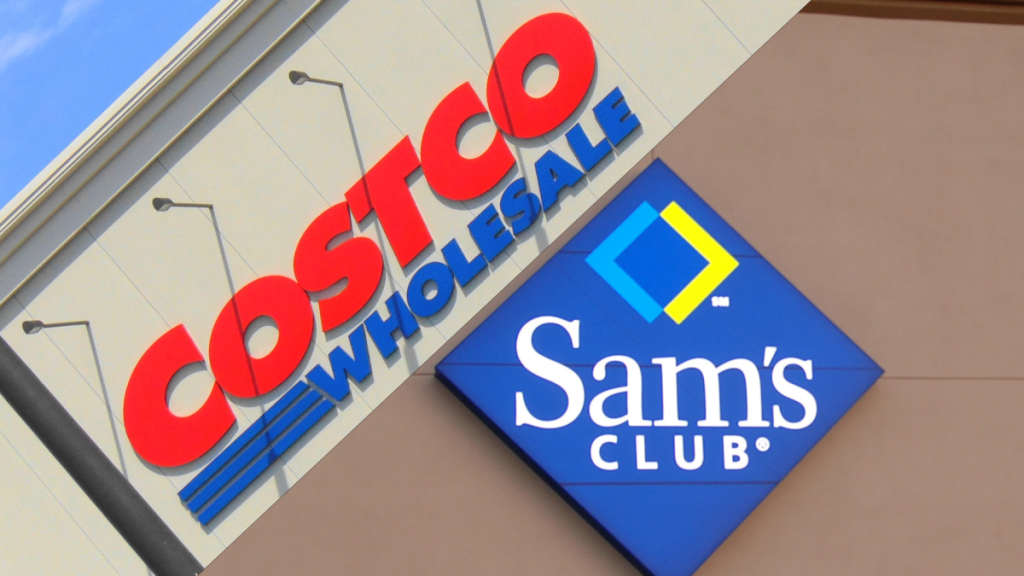
As the retail landscape continues to evolve, warehouse clubs like Sam’s Club and Costco are constantly vying for market share, with the latest move by Sam’s Club poised to outmaneuver its long-standing competitor, leaving investors to wonder about the potential implications on their portfolios.
Key Takeaways
- Sam’s Club has made a strategic move to outmaneuver Costco, potentially altering the competitive dynamics in the warehouse club market.
- The move could have significant implications for investors, particularly those with stakes in the retail sector.
- Understanding the motivations behind Sam’s Club’s move and its potential impact on the market is crucial for making informed investment decisions.
Deep Dive: Sam’s Club vs. Costco
The news of Sam’s Club outmaneuvering Costco comes as a significant development in the retail sector, particularly within the warehouse club market. For over two decades, Costco has been a benchmark for warehouse clubs, known for its vast product offerings and competitive pricing. However, Sam’s Club, owned by Walmart, has been working diligently to close the gap, leveraging its parent company’s resources and scale to enhance its services and appeal to a broader customer base.
A key aspect of Sam’s Club’s strategy involves enhancing its e-commerce capabilities, recognizing the shift in consumer behavior towards online shopping. By investing in its digital platform, Sam’s Club aims to provide a seamless shopping experience, combining the benefits of online shopping with the value proposition of a warehouse club. This move is particularly noteworthy given the context of inflation, where consumers are increasingly seeking value for their money, and the ability to shop online can significantly influence purchasing decisions.
Context: Why This Matters Now
The current economic climate, marked by rising inflation and changes in consumer spending habits, underscores the importance of Sam’s Club’s strategic move. As consumers become more price-conscious, warehouse clubs like Sam’s Club and Costco are well-positioned to benefit, given their emphasis on bulk purchasing and discounted prices. However, the ability to adapt to changing consumer preferences, such as the demand for online shopping options, will be crucial in determining which retailer comes out on top.
Historically, warehouse clubs have thrived during periods of economic uncertainty, as consumers seek to stretch their budgets further. Similar to the 2008 financial crisis, when consumers flocked to discount stores and warehouse clubs, the current economic landscape presents an opportunity for Sam’s Club to gain market share by offering a compelling value proposition that combines in-store shopping with e-commerce convenience.
Pros and Cons for Your Portfolio
- Risk: The competitive response from Costco could lead to a price war, potentially eroding profit margins for both companies and impacting investor returns.
- Opportunity: Sam’s Club’s strategic move could lead to increased market share and revenue growth, presenting an investment opportunity, especially if the company can successfully navigate the challenges of integrating enhanced digital capabilities with its brick-and-mortar operations.
What This Means for Investors
Investors should closely monitor the developments in the warehouse club market, considering both the potential benefits and risks associated with Sam’s Club’s strategic move. For those invested in Costco, it may be prudent to assess the company’s response to the competitive challenge posed by Sam’s Club, considering factors such as pricing strategy, e-commerce investment, and membership growth. Meanwhile, investors looking to capitalize on the potential upside of Sam’s Club’s move should evaluate the company’s ability to execute its strategy effectively, focusing on key metrics such as online sales growth, customer acquisition, and retention rates.
Ultimately, the outcome of this competitive maneuvering will depend on various factors, including consumer response, the effectiveness of each company’s strategy, and the broader economic context. As such, a nuanced and informed approach to investment decisions in this sector is essential, taking into account both the short-term implications of current market dynamics and the long-term prospects of the companies involved.

 Skechers Slip-On Shoes on Sale for $40 with 17K+ Perfect Reviews
  Cathie Wood Invests $43M in Top Tech Stock: What’s Next
  Amazon’s Portable Phone Charger Now $40: Limited Time Offer
  Retail Shakeup: Major Shoe Retailer Cuts Jobs to Boost Efficiency
  Top Bank Slashes 2026 Gold Price Forecast: What Now
  $28 Waterproof Jacket Outperforms $200 Name-Brand Jackets