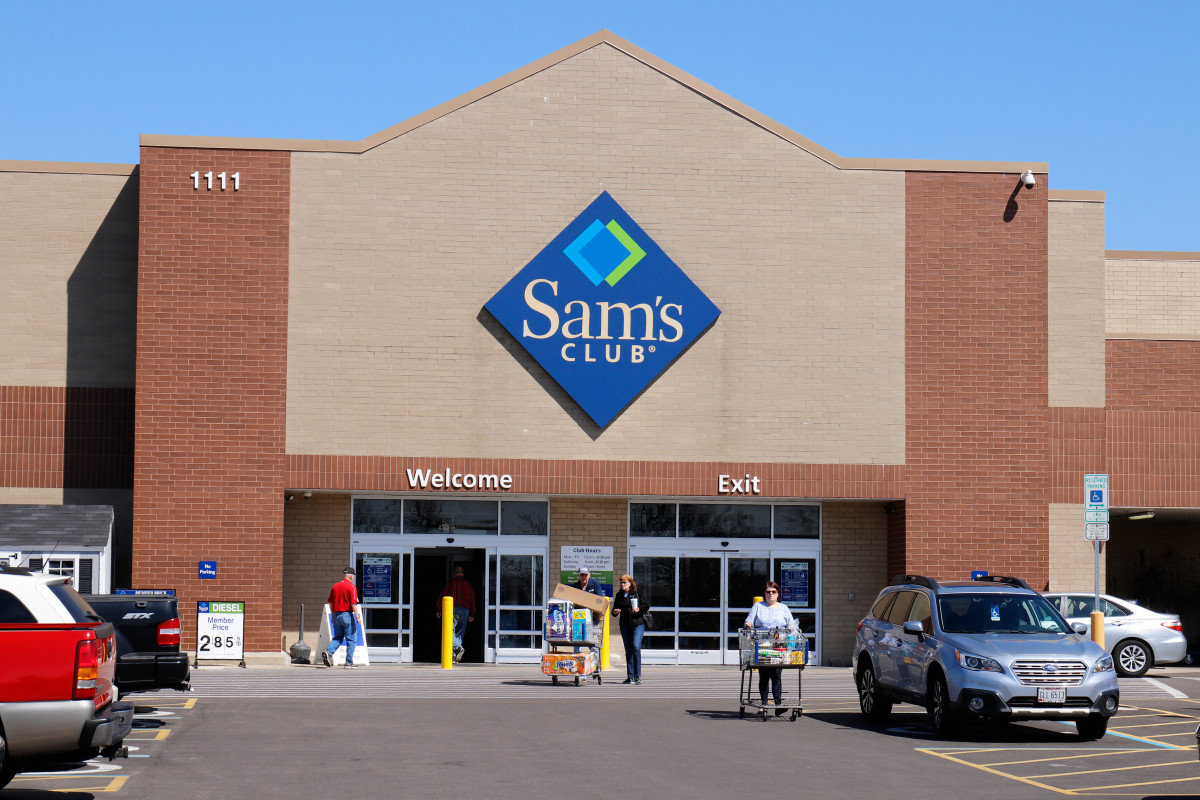
As economic pressure mounts, retailers like Sam’s Club are overhauling their product lines to adapt to shifting consumer spending habits, signaling a strategic shift in the retail landscape amidst ongoing inflation concerns.
Key Takeaways
- Sam’s Club is revamping its product line in response to changing consumer behavior.
- The move is a direct result of shoppers reevaluating their spending habits due to economic uncertainty.
- This strategy could have significant implications for investors in the retail sector, particularly those with stakes in big-box stores or membership-based warehouse clubs.
Sam’s Club Overhaul: A Deep Dive
The decision by Sam’s Club to overhaul its product line is a telling sign of the times, reflecting the challenges faced by retailers as they navigate an economy where consumers are increasingly cautious about their spending. This shift is not merely a reaction to short-term market fluctuations but a strategic move to ensure long-term viability in a competitive retail environment.
Imagine an investor who has been watching the retail sector closely, noticing the trend of consumers cutting back on non-essential items and seeking value in their purchasing decisions. This investor would likely view Sam’s Club’s move as a savvy business decision, acknowledging the need to cater to the evolving preferences of its customer base.
Context: Why This Matters Now
The current economic climate, marked by inflation and consumer spending cutbacks, is not unprecedented. Similar to the 2008 financial crisis, when consumers drastically altered their spending habits in response to economic uncertainty, today’s retailers are facing a similar challenge. The key difference lies in the tools and strategies available to them, including data analytics and e-commerce integration, which can help in making more informed decisions about product offerings and marketing strategies.
Inflation, in this context, refers to the general increase in prices of goods and services, reducing the purchasing power of consumers. As inflation rises, consumers tend to be more selective with their spending, prioritizing essential items over discretionary ones. Retailers must therefore adjust their product lines to meet these changing demands, focusing on value, quality, and affordability.
Pros and Cons for Your Portfolio
- Risk: The potential downside for investors is that Sam’s Club’s overhaul might not resonate with its customer base, leading to decreased sales and revenue. Additionally, the costs associated with revamping product lines could be significant, impacting profitability.
- Opportunity: On the upside, this strategic move could position Sam’s Club for long-term success by aligning its offerings more closely with consumer preferences. Investors who recognize this shift early could capitalize on the potential for growth in the retail sector, particularly in companies that successfully adapt to changing consumer behaviors.
What This Means for Investors
For investors, the key takeaway is the importance of monitoring consumer trends and retail strategies closely. Given the economic pressure and the resultant shift in consumer spending habits, investors should consider the potential benefits and risks of investing in retailers that are proactive in adapting their product lines and business models. A strategic perspective would involve assessing the viability of these adaptations, considering factors such as target market demographics, competitive landscape, and the company’s ability to execute its strategic plans effectively.
Historically, companies that have successfully navigated similar economic challenges have done so by being agile and responsive to consumer needs. Investors looking to capitalize on this trend should focus on retailers that demonstrate a clear understanding of their customer base and are taking proactive steps to meet evolving demands. This could involve diversifying portfolios to include a mix of established retailers with a track record of adaptability and newer, innovative companies that are disrupting traditional retail models.
Conclusion and Future Outlook
In conclusion, Sam’s Club’s decision to overhaul its product line is a significant development in the retail sector, reflecting broader economic trends and consumer behavior shifts. As investors, understanding these dynamics is crucial for making informed decisions about investments in the retail space. By analyzing the pros and cons of such strategic moves and considering the historical context of retail sector performances during economic downturns, investors can better navigate the current market landscape and position themselves for potential future growth.
Looking ahead, the retail sector is likely to continue evolving, with consumer preferences and economic conditions driving innovation and adaptation. Investors who stay abreast of these changes and are willing to adjust their strategies accordingly will be better equipped to capitalize on emerging opportunities and mitigate potential risks. As the retail landscape continues to shift, one thing is clear: the ability to adapt and innovate will be key to success for both retailers and investors alike.