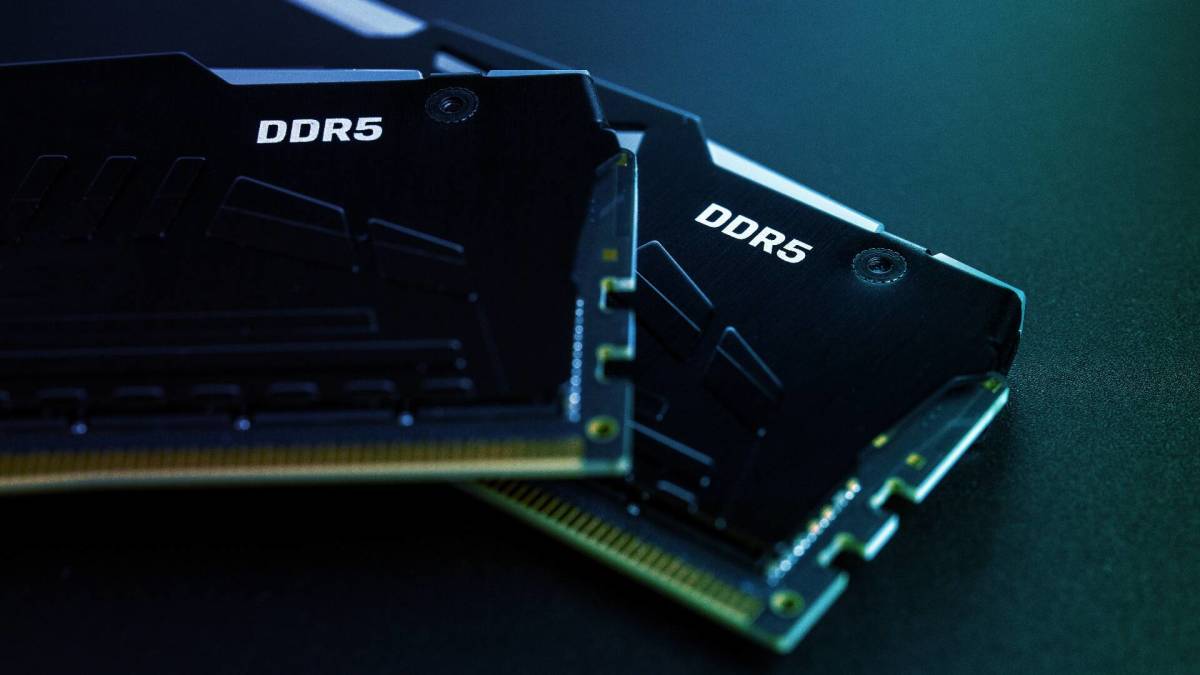
The warning from Samsung Co-CEO TM Roh about an unprecedented shortage in computer memory has sent ripples through the tech industry, with potential implications for device prices and the broader economy, highlighting the complex interplay between supply chain disruptions and consumer electronics.
Key Takeaways
- Samsung Co-CEO TM Roh has warned of an unprecedented shortage in computer memory, affecting the tech industry.
- The shortage is expected to impact device prices, with no company immune to its effects.
- This shortage underscores the vulnerability of the tech sector to supply chain disruptions, which can have far-reaching consequences for investors and consumers alike.
Understanding the Tech Shortage: A Deep Dive
The shortage in computer memory, as highlighted by Samsung’s Co-CEO, refers to a lack of essential components used in the manufacture of technology hardware, including smartphones, laptops, and servers. This shortage is not limited to Samsung but affects the entire tech industry, given the universal demand for these components. Imagine an investor who bought into a tech company expecting a significant increase in production and sales, only to find out that the company cannot meet demand due to a shortage of critical components, leading to potential losses and a decrease in stock value.
Context: Why This Matters Now
The current shortage in computer memory is unprecedented, according to TM Roh, and it’s crucial to understand the economic factors at play. Similar to the 2021 tech boom, where demand for electronics surged due to the pandemic, the current shortage is exacerbated by increased demand for technology hardware, coupled with production constraints and global supply chain issues. Historical context shows that such shortages can lead to inflation, as companies may increase prices to mitigate the effects of reduced supply, affecting consumer spending power and potentially the overall economy.
Historical Precedent
Similar shortages have occurred in the past, such as the 2019 memory chip shortage, which significantly impacted the tech industry. However, the current situation is compounded by the ongoing pandemic and geopolitical tensions, making it more challenging for companies to navigate. Understanding these historical precedents can provide valuable insights for investors and companies alike, helping them prepare for and mitigate the effects of such shortages.
Pros and Cons for Your Portfolio
- Risk: The shortage could lead to increased device prices, affecting consumer demand and potentially leading to reduced sales for tech companies, which could negatively impact your portfolio if you’re invested in these companies.
- Opportunity: Companies that can adapt quickly to the shortage, either by diversifying their supply chain or developing alternative technologies, may see an increase in value, presenting a potential investment opportunity for those who can identify these resilient companies.
Investment Strategies
Investors should consider diversifying their portfolios to include companies that are less dependent on the affected components or those that have a strong track record of navigating supply chain disruptions. Additionally, investing in companies involved in the development of alternative technologies could provide a hedge against future shortages, though this comes with its own set of risks and challenges.
What This Means for Investors
Given the potential impact of the tech shortage on device prices and the broader economy, investors should adopt a strategic perspective, focusing on long-term resilience rather than short-term gains. This might involve holding onto stocks of companies with a proven ability to adapt to supply chain disruptions, selling stocks of companies heavily exposed to the shortage, or waiting for the market to adjust before making new investments. It’s also crucial for investors to stay informed about developments in the tech industry and adjust their strategies accordingly, as the situation evolves.
Actionable Advice
Investors should prioritize diversification and consider the long-term implications of the tech shortage on their portfolios. This includes keeping a close eye on companies’ supply chain management strategies and their ability to innovate in response to component shortages. By taking a proactive and informed approach, investors can navigate the challenges posed by the tech shortage and potentially capitalize on the opportunities that arise from it.