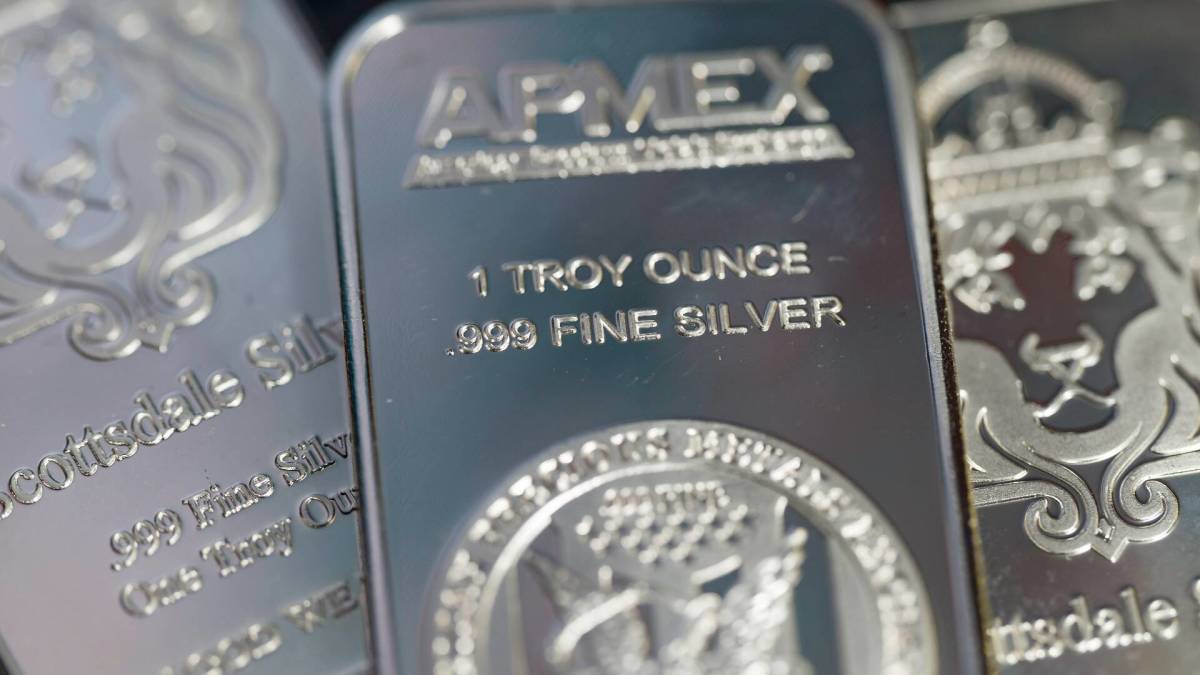
As silver and gold prices surge past key levels, investors are flocking to these precious metals, but beneath the surface, lurking market risks threaten to upend the rally, leaving many to wonder if this is a harbinger of economic turmoil or a genuine opportunity for growth.
Key Takeaways
- The recent surge in silver and gold prices indicates a potential flight to safety among investors, often a sign of economic uncertainty.
- Inflation, which has been a concern in recent economic discussions, plays a significant role in the value of precious metals, as they are traditionally seen as hedges against inflation.
- Understanding the historical context and the interplay between economic factors and precious metal prices is crucial for making informed investment decisions.
Silver and Gold: A Deep Dive
Silver and gold have long been considered safe-haven assets, with their prices often moving inversely to the stock market. When economic uncertainty rises, investors tend to seek the perceived safety of these precious metals, driving up their prices. The current surge in silver and gold prices suggests that investors are becoming increasingly cautious about the state of the economy.
A key concept to understand in this context is inflation, which refers to the rate at which prices for goods and services are rising. Inflation can erode the purchasing power of currencies, making the value of precious metals, which are often used as a store of value, more attractive. Imagine an investor who bought silver as a hedge against inflation; if inflation rises, the value of their silver holdings could increase, protecting their purchasing power.
Historically, similar surges in precious metal prices have been seen in times of economic turmoil. For example, during the 2008 financial crisis, gold prices skyrocketed as investors sought safe-haven assets. This historical context suggests that the current price surge could be indicative of broader economic concerns.
Context: Why This Matters Now
The current economic landscape, with its mix of recovering markets, ongoing geopolitical tensions, and concerns over inflation, creates a perfect storm that could drive investors towards safe-haven assets. The COVID-19 pandemic has left deep scars on the global economy, and the path to full recovery is fraught with challenges. In such a scenario, the appeal of silver and gold as a hedge against potential economic downturns becomes more pronounced.
Economic factors such as interest rates and currency fluctuations also play a significant role in the pricing of precious metals. For instance, lower interest rates can make gold and silver more attractive to investors, as the opportunity cost of holding these metals decreases. Similarly, a weaker dollar can boost the price of these commodities, as they become cheaper for foreign investors to buy.
Pros and Cons for Your Portfolio
- Risk: Investing in silver and gold can be risky, as their prices can be highly volatile. A sudden shift in investor sentiment or an improvement in economic conditions could lead to a sharp decline in their prices, resulting in significant losses for investors who bought in at the peak.
- Opportunity: On the other hand, if the economy does enter a period of high inflation or experiences another downturn, precious metals could provide a safe haven for investors, protecting their wealth and even offering the potential for significant gains.
What This Means for Investors
Given the current market conditions, investors should approach the surge in silver and gold prices with a balanced perspective. While there is potential for further growth, driven by economic uncertainty and inflation concerns, there are also risks associated with investing in these commodities. A strategic approach might involve diversifying a portfolio to include a mix of assets, with precious metals forming a part of the overall investment strategy, rather than the sole focus.
Investors should also keep a close eye on economic indicators and geopolitical events, as these can significantly impact the prices of silver and gold. Moreover, understanding the historical context and the factors that influence the prices of these metals can help investors make more informed decisions, avoiding the pitfalls of emotional investing and instead, leveraging the opportunities that the market presents.
In conclusion, the surge in silver and gold prices is a complex phenomenon, driven by a mix of economic, geopolitical, and psychological factors. While it presents opportunities for investors seeking to hedge against uncertainty, it also comes with significant risks. By understanding these dynamics and adopting a well-informed, diversified investment strategy, investors can navigate the challenges and opportunities of the current market landscape.