


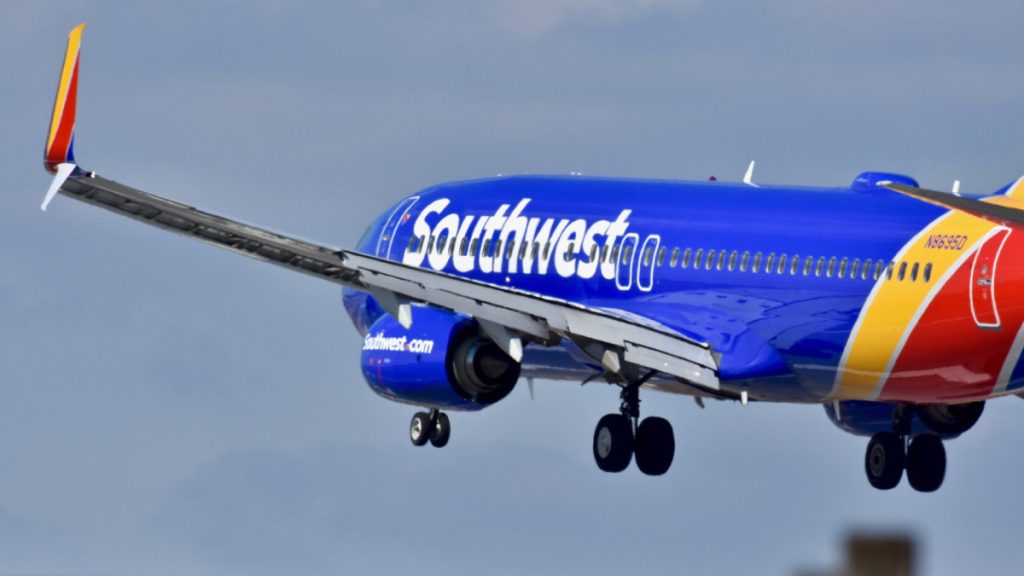
As the airline industry continues to evolve, a recent policy change by Southwest Airlines has sent ripples through the market, leaving Delta and United fliers irked and investors wondering about the potential impact on their portfolios, particularly in the context of revenue management and customer satisfaction.
Key Takeaways
- Southwest Airlines has ended its open seating policy, adopting assigned seats to boost revenue from extra-legroom and priority boarding options.
- This change affects how the airline manages boarding, baggage, and on-time performance, highlighting the fine balance between customer experience and operational efficiency.
- The move is expected to have a significant impact on the airline industry, with potential implications for Delta and United fliers, as well as investors who have stakes in these companies.
Airline Industry Shift: Deep Dive
Southwest Airlines’ decision to switch from an open seating policy to assigned seats marks a significant shift in the airline industry, particularly in the context of customer segmentation and revenue optimization. By adopting assigned seats, Southwest aims to increase revenue from extra-legroom and priority boarding options, which could potentially lead to higher profits and improved customer satisfaction. However, this change also raises concerns about the potential impact on the overall customer experience, as some passengers may prefer the flexibility of open seating.
Context: Why This Matters Now
The airline industry is highly competitive, and companies are constantly looking for ways to differentiate themselves and increase revenue. In recent years, the industry has experienced significant changes, including the rise of low-cost carriers and the increasing importance of ancillary revenue streams, such as baggage fees and food sales. The COVID-19 pandemic has also had a profound impact on the industry, with many airlines struggling to stay afloat amidst widespread travel restrictions and declining demand. As the industry continues to evolve, airlines must adapt to changing customer needs and preferences, while also navigating complex economic and regulatory environments.
Historical Context
Similar to the changes that occurred in the airline industry after the 2008 financial crisis, when many carriers began to introduce new fees and charges to offset declining revenue, the current shift towards assigned seating and increased focus on ancillary revenue streams is a response to the changing market conditions. The airline industry has always been sensitive to economic fluctuations, and companies must be agile and responsive to changing customer needs and preferences in order to remain competitive.
Pros and Cons for Your Portfolio
- Risk: The shift towards assigned seating and increased focus on ancillary revenue streams may lead to customer dissatisfaction and decreased loyalty, potentially negatively impacting airline stocks and the broader industry.
- Opportunity: On the other hand, the adoption of assigned seats and increased focus on ancillary revenue streams could lead to increased revenue and profitability for airlines, potentially positively impacting investor returns and the overall industry.
Investor Considerations
Imagine an investor who has a significant stake in the airline industry, with holdings in companies such as Delta, United, and Southwest. As the industry continues to evolve, it is essential for this investor to stay informed about the latest developments and trends, including the shift towards assigned seating and increased focus on ancillary revenue streams. By understanding the potential implications of these changes, the investor can make informed decisions about their portfolio, potentially mitigating risks and capitalizing on opportunities for growth.
What This Means for Investors
As the airline industry continues to evolve, investors must stay vigilant and adapt to changing market conditions. While the shift towards assigned seating and increased focus on ancillary revenue streams may present risks and challenges, it also offers opportunities for growth and increased profitability. By maintaining a diversified portfolio, staying informed about industry trends and developments, and being prepared to adjust their investment strategies as needed, investors can navigate the complex and dynamic airline industry and potentially achieve strong returns on their investments. As the industry continues to shift and adapt to changing customer needs and preferences, investors who are able to stay ahead of the curve and capitalize on emerging trends and opportunities are likely to be the most successful.
Strategic Perspective
In order to capitalize on the opportunities presented by the shift towards assigned seating and increased focus on ancillary revenue streams, investors should consider adopting a strategic perspective that takes into account the complex and dynamic nature of the airline industry. This may involve maintaining a diversified portfolio, with holdings in a range of companies and industries, as well as staying informed about the latest developments and trends in the market. By adopting a long-term view and being prepared to adjust their investment strategies as needed, investors can navigate the challenges and opportunities presented by the evolving airline industry and potentially achieve strong returns on their investments.

 Software Stocks Surge: Is Goldman Sachs Wrong About Market Shift?
  5 Cars You Should Stop Overpaying For Now
  President’s Day Sale: Wayfair’s 70% Off DoorBusters Start Early
  Warner Bros Takeover Heats Up: Paramount CEO Blasts Netflix
  Walmart’s Bestselling Farmhouse Pantry on Sale for $120 – Limited Time Only
  Target Reveals Major Mistake: What Went Wrong