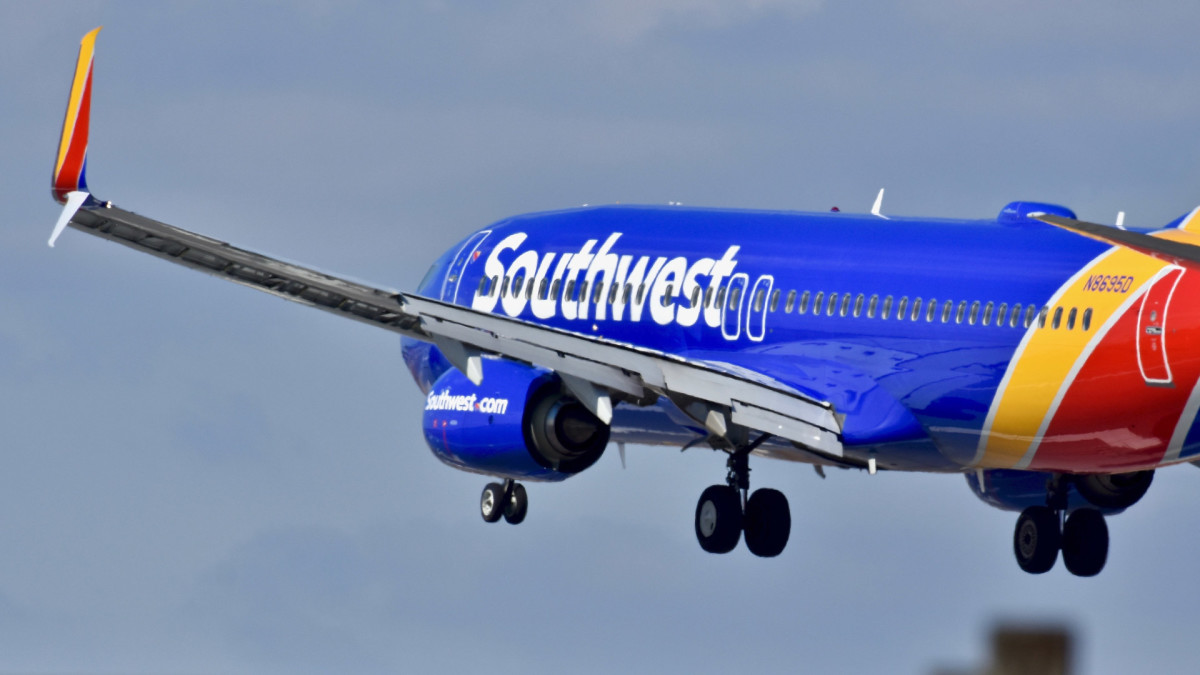
As the airline industry continues to evolve, Southwest Airlines’ decision to assign seats has sparked a heated debate among investors and frequent flyers, prompting a closer look at the potential impact on the company’s bottom line and customer satisfaction.
Key Takeaways
- Southwest Airlines has introduced assigned seating, a significant shift from its traditional open-seating policy.
- This change aims to address two key pain points: reducing boarding time and improving the overall customer experience.
- The move is part of a larger effort by the airline to revamp its services and stay competitive in a rapidly changing market.
Southwest Airlines’ Strategic Shift: A Deep Dive
Southwest Airlines has spent the past few months transforming its business model, eliminating features that once made it unique, such as no fees for checked bags and open seating. The introduction of assigned seating is a significant departure from the airline’s traditional approach, which allowed passengers to choose their seats on a first-come, first-served basis.
The decision to assign seats is likely driven by the need to reduce boarding time and improve the overall customer experience. By assigning seats, Southwest Airlines can streamline the boarding process, reducing the time it takes for passengers to find their seats and get settled. This, in turn, can lead to faster turnaround times and increased efficiency.
Imagine an investor who bought Southwest Airlines stock a year ago, hoping to benefit from the airline’s unique business model. With the introduction of assigned seating, this investor may be wondering how this change will impact the company’s profitability and competitiveness in the market.
Context: Why This Matters Now
The airline industry is highly competitive, and companies must continually adapt to changing consumer preferences and market conditions. The rise of low-cost carriers and the increasing demand for personalized travel experiences have forced traditional airlines to rethink their business models. In this context, Southwest Airlines’ decision to introduce assigned seating can be seen as a strategic move to stay competitive and attract a wider range of customers.
Historically, airlines have struggled to balance the need for efficiency with the desire to provide a unique and personalized experience for their customers. The introduction of assigned seating by Southwest Airlines is not unprecedented, as other airlines have successfully implemented similar policies. However, the impact on customer satisfaction and loyalty will be closely watched, as some passengers may resist the change.
Pros and Cons for Your Portfolio
- Risk: The introduction of assigned seating may alienate some of Southwest Airlines’ loyal customers who prefer the flexibility of open seating, potentially leading to a decline in customer satisfaction and loyalty.
- Opportunity: The new policy could attract a new segment of customers who value the convenience and predictability of assigned seating, leading to increased revenue and market share for the airline.
What This Means for Investors
Investors should carefully consider the potential impact of Southwest Airlines’ strategic shift on their portfolio. While the introduction of assigned seating may present some risks, it also offers opportunities for growth and increased efficiency. As the airline industry continues to evolve, investors should stay informed about the latest developments and adjust their strategies accordingly.
For investors who are looking to buy or hold Southwest Airlines stock, it is essential to weigh the potential benefits of the new policy against the potential risks. A key factor to consider is the airline’s ability to execute the change smoothly and minimize disruptions to its operations. Investors should also keep a close eye on customer satisfaction and loyalty metrics, as these will be critical indicators of the policy’s success.
In conclusion, Southwest Airlines’ decision to introduce assigned seating is a significant development that warrants close attention from investors. By understanding the potential pros and cons of this strategic shift, investors can make informed decisions about their portfolio and navigate the changing landscape of the airline industry.