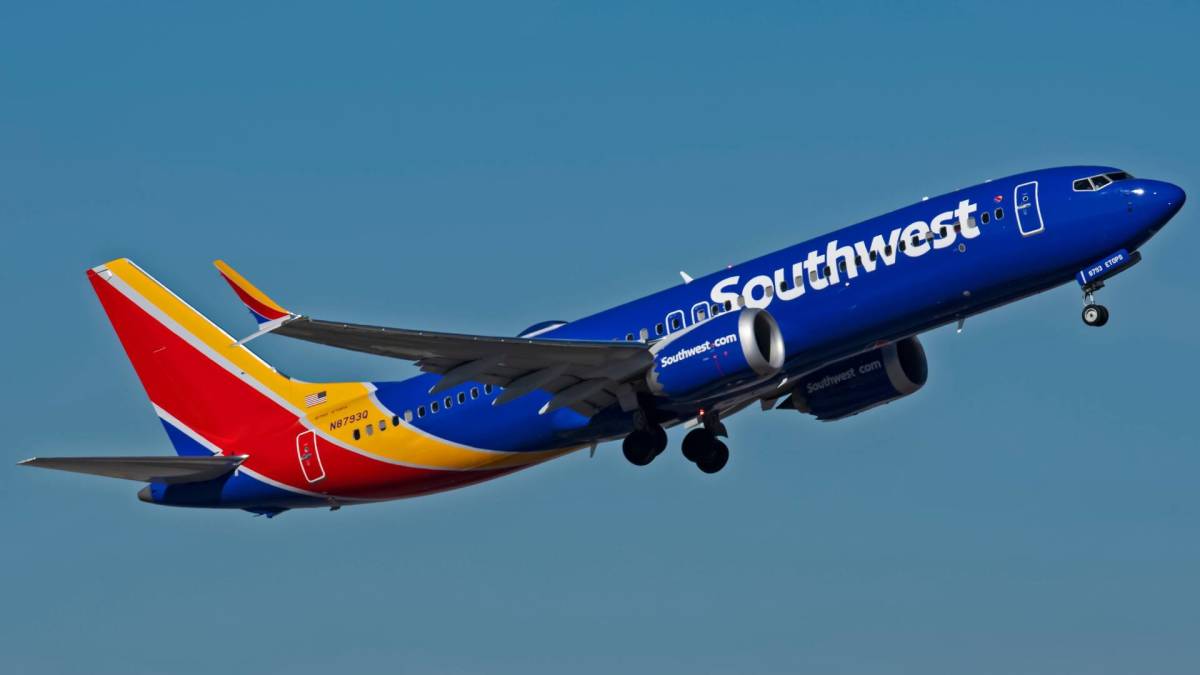
Southwest Airlines’ recent announcement of massive changes to its model has sent shockwaves through the aviation industry, leaving investors and customers wondering what these changes will mean for the future of air travel.
Key Takeaways
- Southwest Airlines is undergoing significant transformations to enhance customer experience and improve operations.
- CEO Bob Jordan has emphasized the necessity of these changes for the airline’s future success.
- The changes are part of a broader strategy to elevate the company’s position in a highly competitive market.
Southwest Airlines’ Transformation: A Deep Dive
Southwest Airlines, known for its customer-centric approach and efficient operations, has announced a series of changes aimed at transforming the company. These changes, as outlined by CEO Bob Jordan, are designed to enhance the customer experience and improve operational efficiency. The specifics of these changes include updates to the airline’s service model, enhancements to its technology infrastructure, and a renewed focus on employee development.
Imagine an investor who has been following Southwest Airlines’ progress over the years. They would likely be interested in understanding how these changes will impact the airline’s bottom line and, by extension, their investment. For instance, if the changes lead to increased efficiency, this could result in cost savings that could be reinvested in the business or distributed to shareholders.
Historically, similar transformations in the aviation industry have had mixed results. For example, when airlines have invested heavily in new technology, it has sometimes led to significant improvements in customer satisfaction and operational efficiency. However, it has also occasionally resulted in higher costs and technical glitches that have hindered the airline’s ability to deliver on its promises.
Context: Why This Matters Now
The aviation industry is highly competitive, with numerous airlines vying for market share. The current economic climate, characterized by fluctuating fuel prices and changing consumer behavior, presents both challenges and opportunities for airlines. Southwest Airlines’ decision to undergo significant changes is likely a response to these external factors, as well as internal assessments of the company’s strengths and weaknesses.
Inflation, which has been a concern in recent years, can have a significant impact on the aviation industry. As inflation increases, the cost of fuel, labor, and other operational expenses rises, potentially squeezing profit margins. Airlines must balance the need to maintain competitive pricing with the necessity of covering their costs, making strategic decisions about investments in technology, customer experience, and operational efficiency crucial.
Pros and Cons for Your Portfolio
- Risk: One potential downside of these changes is the risk of disruption to operations, which could lead to a decline in customer satisfaction and, ultimately, a negative impact on the airline’s stock price.
- Opportunity: On the other hand, if Southwest Airlines successfully implements these changes, it could lead to increased efficiency, improved customer satisfaction, and enhanced competitiveness, potentially driving up the stock price and benefiting investors.
What This Means for Investors
For investors considering Southwest Airlines, it’s essential to take a strategic perspective. Given the potential risks and opportunities associated with the airline’s transformation, investors should monitor the situation closely, watching for signs of successful implementation, such as improved customer satisfaction metrics and increased operational efficiency.
Investors might also consider diversifying their portfolio to mitigate risk, potentially including a mix of airlines and other industry players. Additionally, keeping an eye on industry trends and economic indicators can help investors make informed decisions about their investments in Southwest Airlines and the aviation sector as a whole.
Ultimately, the success of Southwest Airlines’ transformation will depend on various factors, including the effectiveness of its strategy, the response of its competitors, and the overall state of the economy. As such, investors should remain vigilant and adaptable, ready to adjust their investment strategies as new information becomes available.