


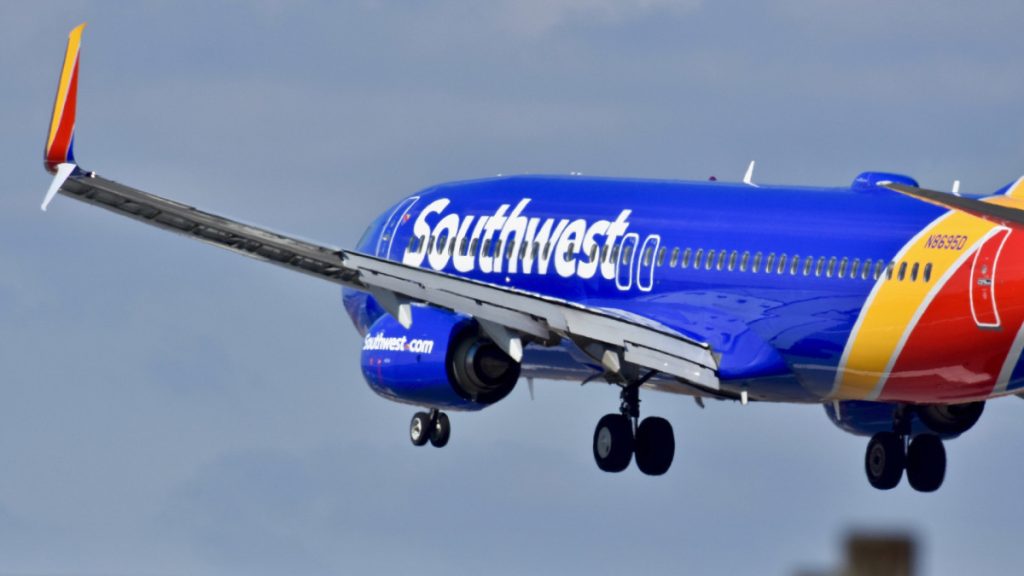
Southwest Airlines’ decision to abolish its open seating and “bags fly free” policy has sent shockwaves through the aviation industry, leaving many to wonder if this beloved brand has lost its edge in a highly competitive market.
Key Takeaways
- Southwest Airlines has eliminated its open seating and “bags fly free” policy, marking a significant shift in its business strategy.
- This change may impact the airline’s customer loyalty and retention, as these policies were key differentiators for the brand.
- The move is likely a response to increasing competition and pressure to increase revenue in a challenging economic environment.
Deep Dive: Understanding the Changes at Southwest Airlines
Southwest Airlines, known for its unique approach to air travel, has made the surprising decision to do away with two of its most distinctive features: open seating and the “bags fly free” policy. This shift is significant, as these policies were instrumental in setting the airline apart from its competitors and fostering a loyal customer base. The open seating policy, which allowed passengers to choose their seats upon boarding, was a hallmark of the Southwest experience, while the “bags fly free” policy was a major draw for travelers looking to avoid additional fees.
Imagine an investor who bought into Southwest Airlines’ stock due to its reputation for customer-centric policies. This change may lead them to reevaluate their investment, considering the potential impact on customer satisfaction and loyalty. Customer retention is crucial in the aviation industry, and any move that compromises this could have far-reaching consequences for the airline’s bottom line.
Historically, airlines have struggled to balance the need to increase revenue with the desire to maintain customer satisfaction. Similar to the 2008 crash, when airlines were forced to impose additional fees to stay afloat, the current economic climate may be prompting Southwest to rethink its strategy. However, this approach can be a double-edged sword, as it may alienate loyal customers who have come to expect certain perks from the airline.
Context: Why This Matters Now
The aviation industry is highly competitive, with airlines constantly looking for ways to differentiate themselves and attract price-sensitive customers. The decision by Southwest Airlines to eliminate its open seating and “bags fly free” policy is likely a response to this competitive pressure, as well as the need to increase revenue in a challenging economic environment. Inflation has been on the rise, increasing the cost of operations for airlines, and the industry is still recovering from the impact of the pandemic.
As the economy continues to evolve, airlines must adapt their strategies to remain competitive. This may involve introducing new fees, adjusting routes and schedules, or investing in technology to improve the customer experience. For Southwest Airlines, the elimination of its open seating and “bags fly free” policy may be a necessary step to ensure the long-term sustainability of the business, but it also risks alienating loyal customers who have come to expect these perks.
Pros and Cons for Your Portfolio
- Risk: The elimination of open seating and the “bags fly free” policy may lead to a decline in customer satisfaction and loyalty, potentially impacting the airline’s revenue and profitability.
- Opportunity: The move could also allow Southwest Airlines to increase revenue through additional fees, potentially offsetting the impact of rising costs and increasing competition in the industry.
For investors, it’s essential to weigh these pros and cons carefully, considering the potential impact on the airline’s stock price and long-term viability. While the elimination of these policies may be a necessary step for the business, it also introduces new risks and uncertainties that must be carefully managed.
What This Means for Investors
Given the significant changes at Southwest Airlines, investors should adopt a cautious approach, carefully monitoring the airline’s performance and customer response to these changes. While the move may ultimately prove beneficial for the business, it also introduces new risks that must be carefully managed. Diversification is key in this environment, as investors should consider spreading their risk across multiple assets and industries to minimize exposure to any one particular stock or sector.
Ultimately, the decision to buy, sell, or hold Southwest Airlines’ stock will depend on individual investment goals and risk tolerance. However, by understanding the context and implications of these changes, investors can make more informed decisions and navigate the challenges and opportunities presented by this evolving landscape.

 Walmart’s $40 5×7 Washable Area Rug: Limited Time Flash Sale
  Verizon Reverses Course on Controversial Policy Amid Outrage
  Verizon Tightens Grip: New Rules Make Switching Harder
  Royal Caribbean Overtakes Norwegian Cruise Line: What’s Next
  Amazon Kitchen Baker’s Rack Sale: $35 Limited Time Offer
  Amazon’s $23 7-Piece Bedding Set: Luxurious Comfort on a Budget