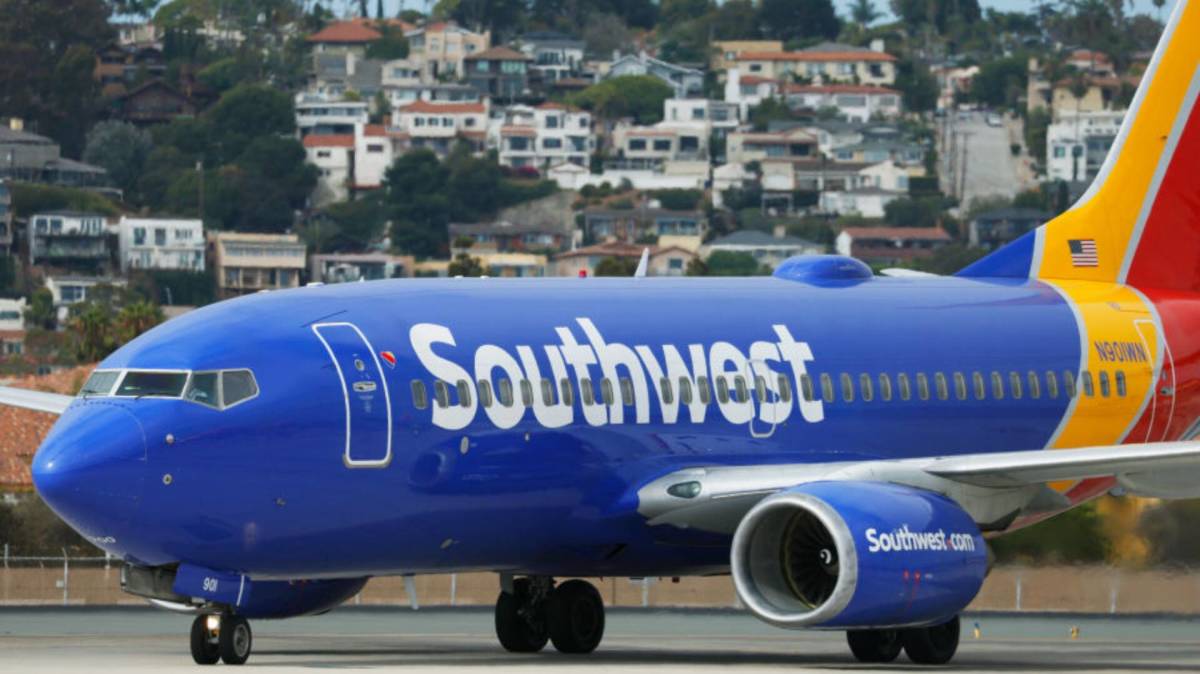
As the airline industry continues to evolve with safety regulations, a significant ban by Southwest Airlines on packing spare lithium batteries and power banks in checked luggage has raised eyebrows among travelers and investors alike, highlighting the delicate balance between safety and convenience in the skies.
Key Takeaways
- The ban on spare lithium batteries and power banks in checked luggage dates back to 2016, initiated by the Federal Aviation Administration (FAA) and major airlines to prevent in-cabin fires.
- Southwest Airlines is among the few major airlines that enforce this ban strictly, emphasizing the importance of safety over passenger convenience.
- Understanding this ban is crucial for travelers to avoid any last-minute issues during check-in and for investors to gauge the impact on airline stocks and the broader travel industry.
Deep Dive into the Ban
The decision to ban spare lithium batteries and power banks from checked luggage was not taken lightly. It followed a series of incidents involving in-cabin fires caused by these batteries. The risk is significant because lithium batteries, when damaged or improperly packaged, can overheat and ignite, posing a serious fire hazard aboard an aircraft. The FAA, in conjunction with airlines, moved to mitigate this risk by enforcing stricter guidelines on the carriage of lithium batteries.
For travelers, this means that any spare lithium batteries or power banks must be carried in the cabin, where they can be more closely monitored. However, there are specific guidelines to follow: batteries must be protected from accidental activation, and devices containing lithium batteries, like phones and laptops, must be able to be turned off and not have any issues that could cause overheating.
Context: Why This Matters Now
The enforcement of this ban by Southwest Airlines, and the historical context in which it was introduced, highlights the ongoing efforts by the aviation industry to enhance safety. The original ban in 2016 was a response to specific incidents, but it also reflects a broader trend towards increased vigilance regarding potential fire hazards on flights. Similar to how the 2008 crash led to a significant overhaul of financial regulations, incidents involving lithium batteries have prompted a reevaluation of safety protocols in aviation.
Economic factors, such as the cost of enforcing these bans and the potential impact on passenger convenience, also play a role. Airlines must balance the need for safety with the demand for convenience and the competitive landscape of the travel industry. This balance can influence consumer choice and, by extension, affect airline stocks and the broader economy.
Pros and Cons for Your Portfolio
- Risk: The strict enforcement of the lithium battery ban could lead to increased operational costs for airlines, potentially affecting their profitability and, by extension, their stock performance. Additionally, any incidents related to lithium batteries could lead to regulatory crackdowns, further impacting the industry.
- Opportunity: For investors, the emphasis on safety could also present opportunities. Companies specializing in safe battery technology or fire prevention solutions could see increased demand, offering a potential upside. Moreover, airlines that effectively manage the balance between safety and convenience might see a boost in customer loyalty and preference, positively affecting their stock.
What This Means for Investors
Investors should consider the long-term implications of safety regulations on the airline industry. While the ban on lithium batteries in checked luggage might seem like a minor inconvenience, it reflects a broader commitment to safety that can impact operational costs, customer satisfaction, and ultimately, stock performance. As with any regulatory change, there are both risks and opportunities. Investors should look for airlines and companies that are proactive in addressing safety concerns while also innovating to minimize the impact on consumer experience.
Imagine an investor who diversifies their portfolio to include not just airline stocks but also companies involved in developing safer, more efficient battery technologies. This strategic move could help mitigate the risks associated with regulatory changes while capitalizing on the opportunities presented by innovation in the sector. By taking a holistic view that considers both the immediate effects of the lithium battery ban and the potential for future innovation, investors can navigate this complex landscape effectively.