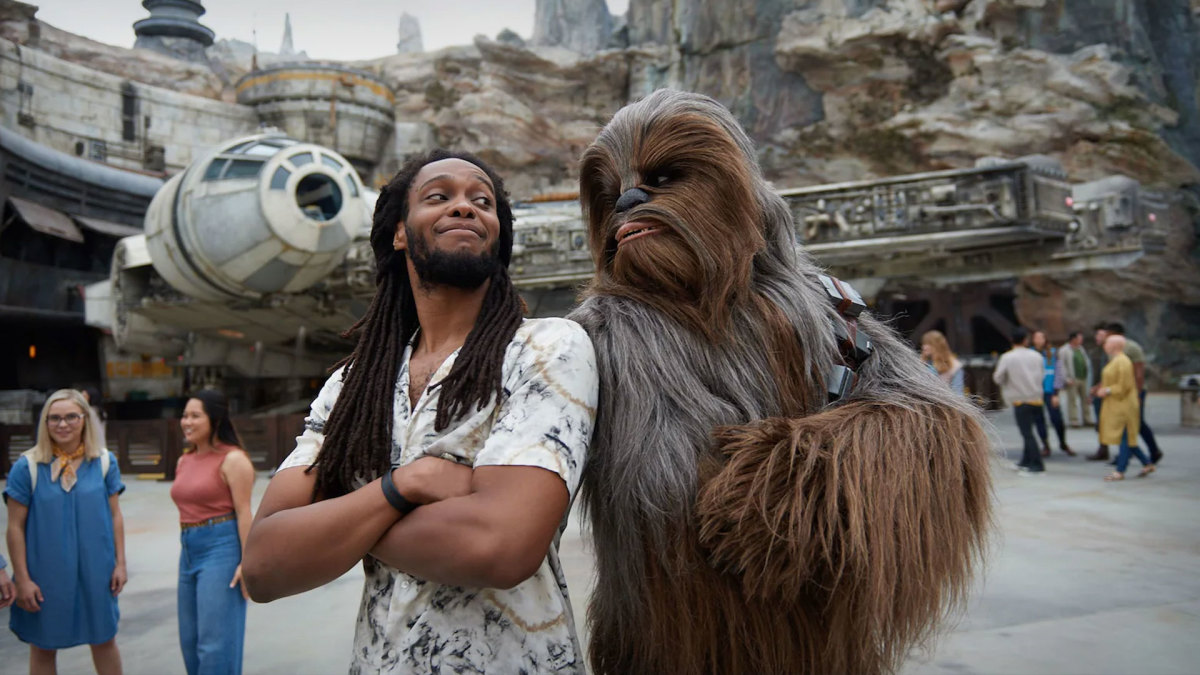
The Walt Disney Company is set to revamp its Star Wars parks, bringing significant changes to the entertainment giant’s strategy, and this could have a profound impact on the company’s stock and the broader market sentiment towards theme park operators and media conglomerates.
Key Takeaways
- The Walt Disney Company is planning a major overhaul of its Star Wars-themed areas in its parks, including the introduction of dynamic pricing.
- This move is expected to enhance the overall experience for Star Wars fans, potentially increasing visitor numbers and revenue.
- The changes come at a time when the entertainment and tourism industries are navigating the challenges of inflation and shifting consumer preferences.
Deep Dive into Disney’s Star Wars Parks Overhaul
The Walt Disney Company’s decision to revamp its Star Wars parks is a strategic move aimed at capitalizing on the enduring popularity of the Star Wars franchise. With dynamic pricing already in the works, the company is poised to maximize revenue during peak periods while potentially making the experience more accessible during off-peak times. This approach could appeal to a wide range of fans, from casual visitors to die-hard enthusiasts, by offering a tailored experience that matches their willingness to pay.
Imagine an investor who bought shares of The Walt Disney Company with a long-term perspective, anticipating the growth potential of its theme park business. This investor would be keenly interested in how the Star Wars parks overhaul affects visitor numbers, revenue per visitor, and ultimately, the company’s bottom line. The success of this strategy could have a positive impact on the stock, making it an attractive option for those looking to invest in the entertainment and leisure sector.
Context: Why This Matters Now
The overhaul of the Star Wars parks comes at a critical juncture for The Walt Disney Company, as it seeks to navigate the challenges posed by inflation, which refers to the general increase in prices of goods and services over time, reducing the purchasing power of consumers. In the context of theme parks, inflation can lead to higher operating costs, from labor and materials to utilities and maintenance, potentially squeezing profit margins unless revenue is adjusted accordingly. By introducing dynamic pricing, Disney can better manage these costs and maintain profitability.
Historically, similar overhauls and strategic pricing adjustments have been pivotal for companies in the entertainment and tourism sectors. For instance, during the 2008 financial crisis, companies that successfully adapted their pricing strategies to match changing consumer behavior were better positioned for recovery. Similarly, the 2021 tech boom highlighted the importance of innovation and customer experience in driving growth, lessons that Disney appears to be applying with its Star Wars parks revamp.
Pros and Cons for Your Portfolio
- Risk: One of the potential downsides of Disney’s strategy is the risk of alienating price-sensitive customers if the dynamic pricing model is not carefully calibrated. If prices are perceived as too high, it could deter visitors, ultimately affecting revenue and profitability.
- Opportunity: On the other hand, the overhaul presents a significant opportunity for Disney to enhance its brand reputation among Star Wars fans, potentially leading to increased loyalty and repeat business. Successful execution of this strategy could also provide a model for other theme park operators, positioning Disney as a leader in innovation and customer experience.
What This Means for Investors
For investors considering The Walt Disney Company, the Star Wars parks overhaul is a strategic move that warrants close attention. The introduction of dynamic pricing and the enhancement of the Star Wars experience could signal a positive shift in the company’s approach to managing its theme park business, potentially leading to increased revenue and profitability. However, investors should also be mindful of the risks, including the challenge of balancing pricing with consumer demand and the ongoing impact of inflation on operational costs.
Given these considerations, a strategic perspective for investors might involve taking a long-term view, recognizing that the success of this overhaul will depend on Disney’s ability to execute its plans effectively and respond to consumer feedback. Monitoring the company’s progress, including visitor numbers, revenue growth, and consumer satisfaction, will be crucial in assessing the overhaul’s impact on the company’s stock performance and the broader entertainment and leisure sector.