


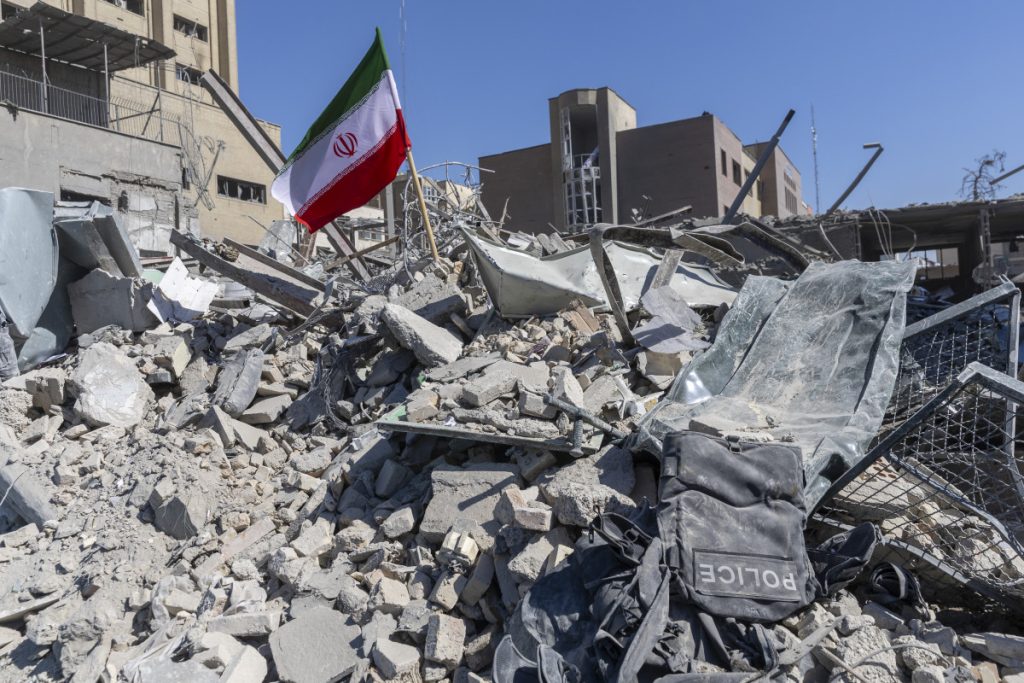
The impact of geopolitical shocks on the stock market can be devastating, as seen in historical events like the Japanese attack on Pearl Harbor, which not only led to a significant loss of life but also had profound effects on global economies and financial markets.
Key Takeaways
- The attack on Pearl Harbor by Japan led to the United States’ entry into World War II, significantly altering global economic and political landscapes.
- Geopolitical events can lead to market volatility, affecting investor confidence and potentially causing economic downturns.
- Understanding historical market reactions to geopolitical shocks can provide valuable insights for investors looking to navigate similar events in the future.
Deep Dive into Geopolitical Shocks and Market Reactions
The Japanese attack on Pearl Harbor on December 7, 1941, is a stark example of how geopolitical events can abruptly change the course of global affairs and financial markets. This event not only drew the United States into World War II but also had a profound impact on the global economy, leading to widespread inflation as governments increased spending for the war effort, thereby expanding the money supply.
In the context of the stock market, inflation works by eroding the purchasing power of money, which can lead to higher production costs for companies, potentially reducing their profit margins and affecting their stock prices. Imagine an investor who bought stocks in the manufacturing sector before the war; they might have seen their investments decline in value due to increased production costs and reduced consumer spending power.
Historical Precedents and Market Reactions
Similar to the 2008 financial crisis, geopolitical shocks can lead to rapid market declines as investor sentiment shifts. However, unlike the 2008 crisis, which was primarily driven by financial sector instability, geopolitical shocks are often more unpredictable and can arise from a wide range of sources, including military conflicts, political upheavals, and terrorist attacks.
For instance, the 2021 tensions between the U.S. and China over trade policies led to significant market volatility, with investors worrying about the impact of tariffs on corporate earnings and global economic growth. This scenario illustrates how geopolitical events can quickly escalate into economic conflicts, affecting market stability and investor portfolios.
Context: Why Geopolitical Shocks Matter Now
Given the increasingly interconnected nature of the global economy, geopolitical events can have far-reaching consequences for financial markets. The rise of emerging markets and the dependence of many economies on international trade make the potential impacts of geopolitical shocks more profound than ever. Furthermore, the speed at which news travels in the digital age can exacerbate market reactions, leading to rapid volatility and potential losses for unprepared investors.
The current geopolitical landscape, marked by tensions between major world powers and the ongoing effects of the COVID-19 pandemic, underscores the importance of understanding how to navigate markets during times of uncertainty. Investors must be aware of the potential for market fluctuations and have strategies in place to mitigate risks and capitalize on opportunities as they arise.
Pros and Cons for Your Portfolio
- Risk: One of the primary risks associated with geopolitical shocks is the potential for widespread market declines, which can significantly reduce the value of investments. Diversification and hedging strategies can help mitigate this risk but may also reduce potential returns.
- Opportunity: On the other hand, geopolitical events can sometimes present investment opportunities, particularly in sectors that are likely to benefit from the aftermath of a shock, such as defense or cybersecurity. Investors who are prepared to act quickly and strategically can potentially profit from these situations.
What This Means for Investors
Given the unpredictability of geopolitical events, investors should maintain a diversified portfolio to spread risk and be prepared for potential market volatility. This might include allocating investments across different sectors and geographies, as well as considering hedge funds or other vehicles designed to perform well during times of market stress.
Moreover, staying informed about global events and maintaining a long-term perspective can help investors avoid making rash decisions based on short-term market fluctuations. By understanding the historical context of geopolitical shocks and their impact on financial markets, investors can develop strategic perspectives that guide their investment decisions and help them navigate the complexities of the global economy.
Ultimately, the key to success in investing during periods of geopolitical uncertainty is a combination of thorough research, strategic planning, and the ability to adapt to changing circumstances. As the global landscape continues to evolve, investors must remain vigilant and proactive, always seeking to balance risk and opportunity in their pursuit of long-term financial goals.

 401(k) Plans Face $2T+ IPO Crisis: What You Need to Know
  Dozens Laid Off as Historic Grocery Chain Closes Stores
  Bank of America Warns of Impending Economic Downturn
  Elon Musk’s Next Big Move: Record-Breaking Predictions
  Goldman Sachs Warns of Potential Energy Price Doubling Crisis
  Walmart’s $18 Battery Organizer Holds 104 Batteries Neatly