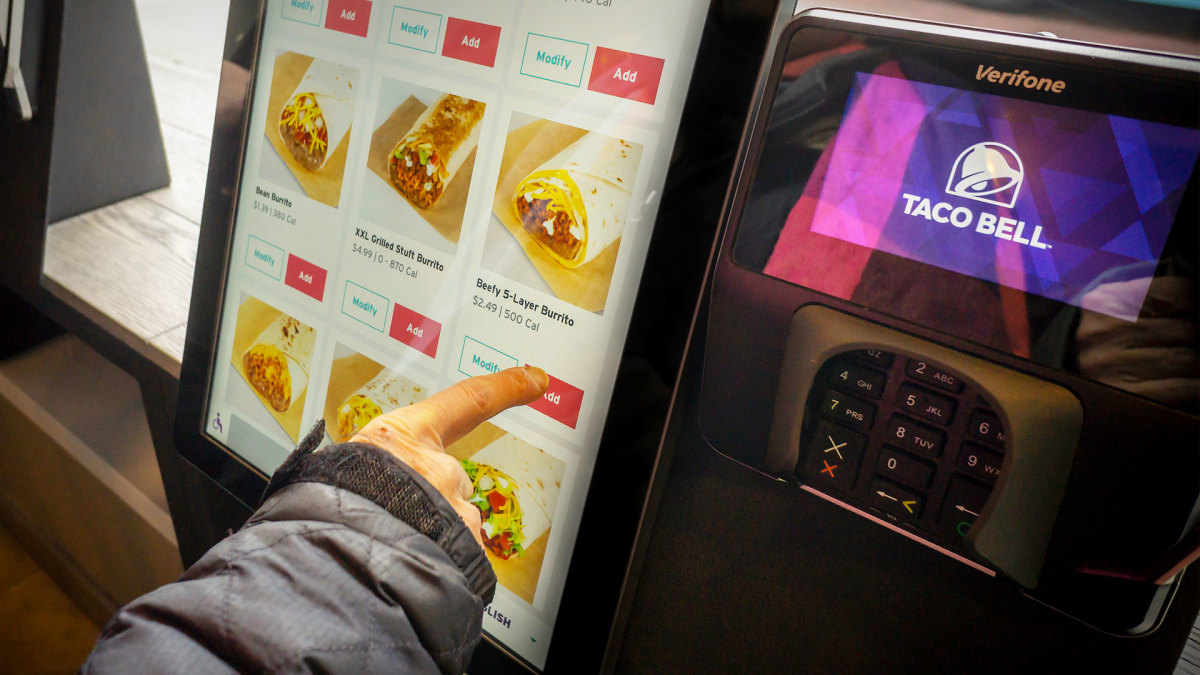
As the restaurant industry continues to evolve, major chains like Taco Bell and KFC are turning to artificial intelligence (AI) to boost customer experience, but the question remains whether this tech-driven approach will pay off for investors and customers alike.
Key Takeaways
- Taco Bell and KFC are integrating AI technology to enhance customer experience and potentially increase sales.
- The use of AI in restaurants can be a double-edged sword, offering benefits such as streamlined services but also raising concerns about job displacement and customer acceptance.
- The success of AI implementation in the restaurant industry will depend on how well it is received by customers and whether it leads to significant improvements in efficiency and profitability.
AI in the Restaurant Industry: A Deep Dive
The integration of AI in restaurants like Taco Bell and KFC is part of a broader trend where technology is being used to innovate and improve the dining experience. This can include everything from automated ordering systems to AI-powered chatbots that help with customer service. By adopting these technologies, restaurants aim to reduce wait times, improve order accuracy, and provide a more personalized experience for their customers.
Imagine an investor who bought into the concept of tech-enhanced dining experiences early on. They would have witnessed the transformation of the industry firsthand, from the introduction of mobile apps for ordering and payment to the current era of AI-driven solutions. This evolution has not only changed how restaurants operate but has also altered consumer expectations, with many now anticipating a seamless, technology-integrated experience when they dine out.
Context: Why This Matters Now
The current economic climate, marked by inflation concerns and a competitive labor market, makes the adoption of AI technology particularly appealing to restaurants. Inflation, in this context, refers to the increase in prices of goods and services, which can erode profit margins if not managed properly. By leveraging AI, restaurants can potentially mitigate some of these pressures by streamlining operations and improving efficiency. Historically, similar technological shifts, such as the widespread adoption of the internet and mobile devices, have had profound effects on various industries, including retail and hospitality.
Similar to the 2021 tech boom, where companies that successfully integrated technology into their business models saw significant growth, the restaurant industry’s embrace of AI could be a pivotal moment. However, it’s also important to consider the potential downsides, such as customer resistance to overly automated experiences and the ethical implications of AI-driven decision-making in employment and customer service.
Pros and Cons for Your Portfolio
- Risk: One of the primary risks associated with investing in AI-driven restaurant chains is the potential for customer backlash. If customers perceive the integration of AI as leading to job losses or a less personalized experience, it could negatively impact sales and, by extension, investor returns.
- Opportunity: On the other hand, successful implementation of AI technology could lead to significant operational efficiencies and enhanced customer experiences, potentially driving up sales and profitability. This could be a lucrative opportunity for investors who are looking to capitalize on innovative trends in the service sector.
What This Means for Investors
For investors considering stakes in Taco Bell, KFC, or other restaurant chains embracing AI, it’s crucial to weigh the potential benefits against the risks. A strategic perspective would involve closely monitoring how these companies navigate the challenges of AI integration, including customer acceptance, employee training, and the ongoing investment in technology. Investors should also keep an eye on broader economic trends, such as inflation and consumer spending habits, which can impact the restaurant industry’s overall performance.
Ultimately, the decision to invest in AI-enhanced restaurant chains should be based on a thorough analysis of the company’s strategy, its ability to adapt to changing consumer preferences, and the potential for long-term growth. As with any investment, diversification and a well-informed approach are key to mitigating risks and maximizing returns in this evolving market landscape.