


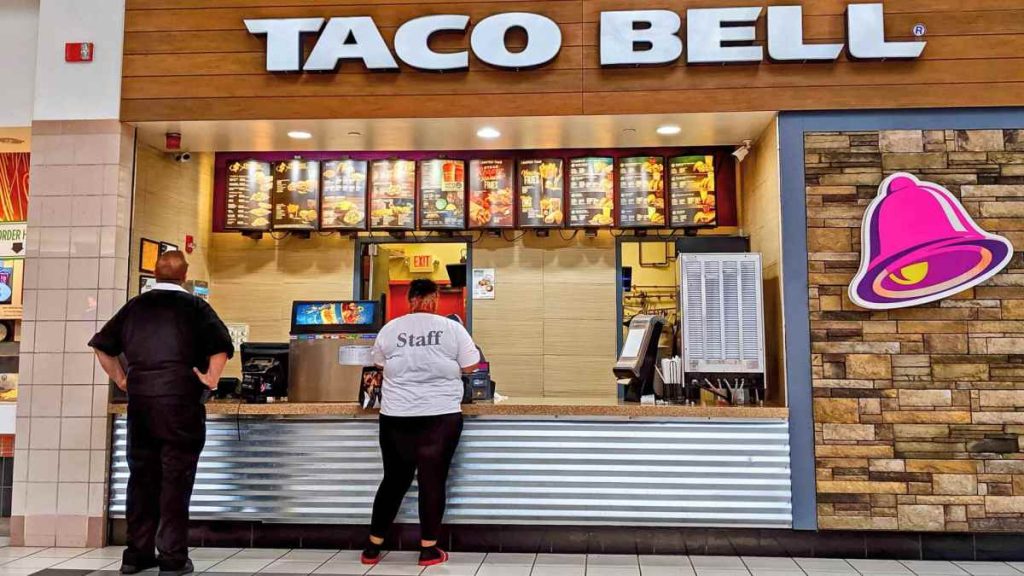
The fast-food industry is undergoing a significant transformation, with major chains like McDonald’s and Taco Bell revamping their menus to deliver a stronger value message to consumers, amidst rising inflation and shifting consumer preferences.
Key Takeaways
- McDonald’s CEO Christopher Kempczinski emphasized the importance of core menu items in influencing consumer value perceptions.
- Taco Bell is reportedly overhauling its menu to enhance the customer experience and provide better value.
- Fast-food chains are adapting to changing consumer behaviors and economic conditions, such as increased inflation, to remain competitive.
Taco Bell Menu Overhaul: A Deep Dive
Taco Bell, a leading fast-food chain, is revolutionizing its menu to provide customers with a more satisfying and valuable experience. The overhaul is expected to include new items, improved packaging, and enhanced digital ordering capabilities. This move is seen as a strategic response to the evolving consumer landscape, where customers are increasingly seeking convenience, quality, and affordability.
Imagine an investor who bought into the fast-food industry a few years ago, expecting steady growth and stable returns. However, with the rise of inflation, consumer behavior has shifted, and investors must now reassess their portfolios to ensure they remain competitive. The Taco Bell menu overhaul is a prime example of how companies are adapting to these changes, investing in research and development to create new and exciting menu items that cater to diverse consumer preferences.
Context: Why This Matters Now
The current economic environment, marked by rising inflation and increased competition, has forced fast-food chains to reevaluate their strategies. Similar to the 2008 financial crisis, when consumers became more price-conscious and sought value-driven options, today’s fast-food industry is experiencing a similar shift. The COVID-19 pandemic has also accelerated the adoption of digital technologies, such as mobile ordering and curbside pickup, which have become essential for businesses to remain competitive.
Historically, fast-food chains have responded to economic downturns by focusing on value menus and promotional offerings. However, with the current inflation rate, companies must balance the need to maintain profitability with the pressure to offer competitive pricing. This delicate balance is crucial, as consumers are becoming increasingly sensitive to price increases and are seeking better value for their money.
Pros and Cons for Your Portfolio
- Risk: The menu overhaul may not resonate with customers, leading to a decline in sales and revenue. Additionally, the investment in new menu development and marketing may not yield the expected returns, potentially affecting the company’s bottom line.
- Opportunity: A successful menu overhaul could lead to increased customer satisfaction, driving sales growth and improving market share. Furthermore, the investment in digital technologies and customer experience could provide a competitive edge, enabling the company to attract and retain customers in a crowded market.
What This Means for Investors
Investors should closely monitor the fast-food industry’s response to changing consumer behaviors and economic conditions. As companies like Taco Bell and McDonald’s adapt to the new landscape, investors should consider the potential risks and opportunities associated with these changes. A strategic perspective would be to focus on companies that are investing in digital technologies, customer experience, and menu innovation, as these are likely to be better positioned for long-term growth and success.
Imagine an investor who diversifies their portfolio by investing in a mix of established fast-food chains and newer, innovative players. This approach would allow them to capitalize on the growth potential of the industry while mitigating the risks associated with individual companies. By taking a proactive and informed approach, investors can navigate the evolving fast-food landscape and make informed decisions that align with their investment goals and risk tolerance.

 Rolling Clothing Rack: Organize Your Space for Just $20
  Asia Chip Slump Sparks Global Stock Crash: What’s Next?
  Craftsman 104-Piece Tool Set on Sale: $80 Car Emergency Kit
  Sporting Goods Giant to Close Stores: What’s Happening Now
  REI’s Waterproof Hiking Boots: Hundreds of Miles for $100
  Walmart’s $116 Pop-Up Gazebo: Family Sized Luxury on a Budget