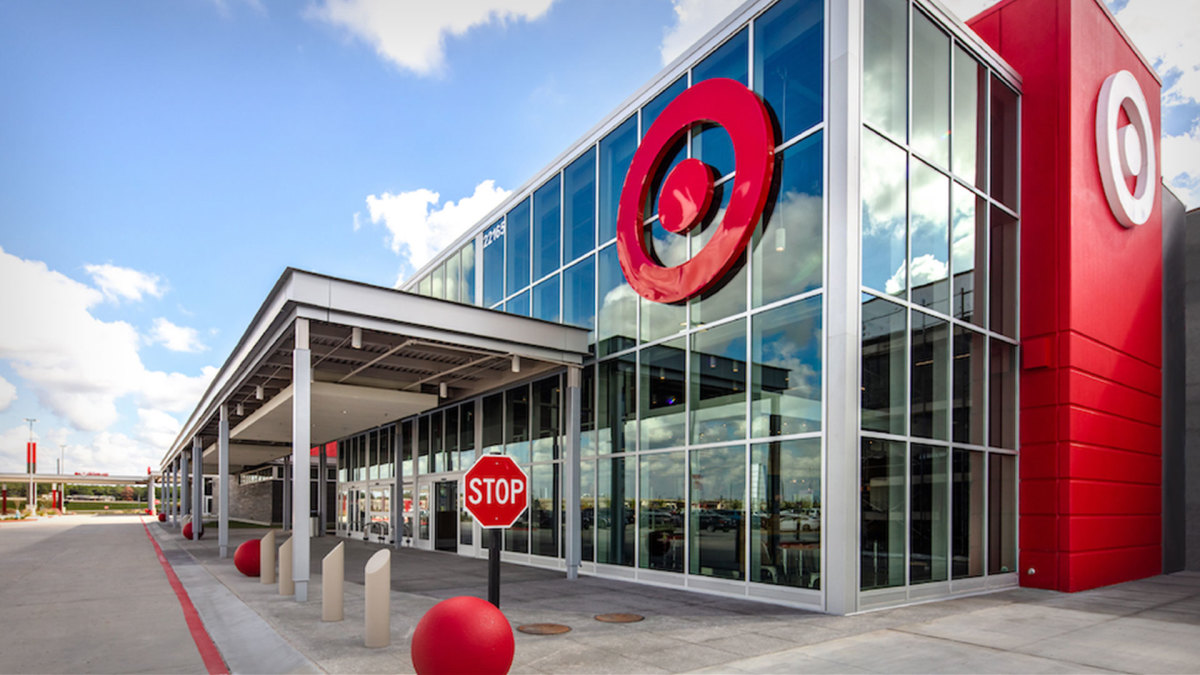
The retail landscape is undergoing a significant transformation, with Target shifting its focus to adapt to new consumer behavior trends, marking a notable distinction in its strategy compared to its competitor Walmart.
Key Takeaways
- Target is repositioning itself to cater to changing consumer preferences, emphasizing unique shopping experiences and product offerings.
- This strategic shift is driven by the evolving needs of consumers, who are increasingly seeking personalized and creative products, differentiating Target from budget-focused retailers like Walmart.
- The adaptation underscores the importance of understanding and responding to consumer behavior trends in the retail sector, particularly in a competitive and dynamic market environment.
Understanding Target’s Strategic Shift
Target’s decision to shift its focus towards catering to new consumer behavior trends is rooted in the company’s efforts to differentiate itself and provide a unique shopping experience. Unlike Walmart, which is often associated with budget-friendly groceries and essentials, Target aims to be the go-to destination for consumers looking for distinctive products, such as home decor items or creative gifts. This differentiation strategy is crucial in a retail landscape where consumers have numerous options and are increasingly seeking personalized experiences.
Context: Why This Matters Now
The shift in Target’s strategy is happening amidst a broader context of changing consumer behavior, influenced by factors such as inflation, which refers to the rate at which prices for goods and services are rising. As consumers become more mindful of their spending due to economic uncertainties, retailers like Target must adapt to meet the evolving needs and preferences of their customer base. Historically, similar shifts in consumer behavior have led to significant changes in the retail industry, such as the rise of e-commerce during the 2020 pandemic, which forced many brick-and-mortar stores to reevaluate their business models.
Pros and Cons for Your Portfolio
- Risk: Investing in a retailer that is undergoing a strategic shift can be risky, as there is always a chance that the new strategy may not resonate with consumers, potentially leading to financial losses.
- Opportunity: On the other hand, Target’s adaptation to new consumer trends could present a significant opportunity for growth, as the company positions itself to capture a larger share of the market by offering unique and desirable products that differentiate it from competitors.
What This Means for Investors
For investors, Target’s strategic shift serves as a reminder of the importance of staying attuned to changes in consumer behavior and the retail landscape. When considering investing in Target or similar retailers, it’s essential to evaluate the company’s ability to adapt to evolving consumer preferences and its competitive positioning within the market. Investors should look for signs that the company’s new strategy is gaining traction, such as increased sales of unique and creative products, and positive feedback from consumers. Ultimately, the decision to invest should be based on a thorough analysis of the company’s potential for long-term growth and its ability to navigate the challenges and opportunities presented by changing consumer behavior trends.
Historical Precedents and Future Outlook
Similar strategic shifts have occurred in the retail sector before, with companies like Macy’s and Nordstrom attempting to revamp their images and product offerings to appeal to a new generation of consumers. The success of these efforts has been mixed, highlighting the challenges and uncertainties associated with repositioning a large retail brand. Looking ahead, the future of retail will likely be shaped by ongoing changes in consumer behavior, technological advancements, and economic factors. Investors should remain vigilant and prepared to adjust their strategies as the retail landscape continues to evolve.
Investment Strategies in a Changing Retail Environment
Investors looking to capitalize on the opportunities presented by Target’s strategic shift and the broader changes in the retail sector should consider a multi-faceted approach. This could include diversifying their portfolio to include a mix of established retailers that are successfully adapting to new consumer trends, as well as newer, innovative companies that are leveraging technology and unique business models to disrupt the market. Additionally, investors should stay informed about consumer behavior trends, economic indicators, and technological advancements that could impact the retail industry, allowing them to make informed decisions and adjust their investment strategies as needed.
Conclusion and Recommendations
In conclusion, Target’s shift in focus to adapt to new consumer behavior trends marks an important development in the retail sector, underscoring the need for companies to be agile and responsive to changing consumer preferences. For investors, this shift presents both risks and opportunities, highlighting the importance of careful analysis and strategic decision-making. By understanding the drivers behind Target’s strategic shift and the broader trends shaping the retail landscape, investors can make more informed decisions and position themselves for potential growth in this dynamic and evolving market.