


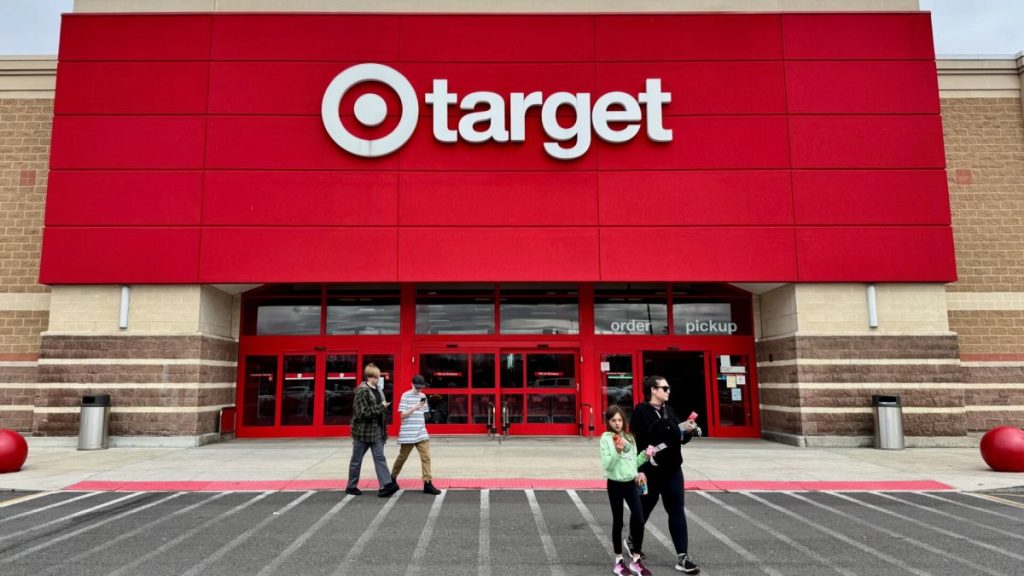
As Target shifts its focus towards the beauty sector, investors are watching closely, wondering if this strategic move can help the retailer regain its footing in a competitive market, especially with the impending exit from Ulta.
Key Takeaways
- Target is repositioning its business to emphasize beauty products, a sector that has seen consistent growth.
- The decision comes as the company faces declining sales, reduced foot traffic, and loss of market share to competitors.
- The strategic shift is crucial for Target as it prepares for its exit from Ulta, a significant partner in its beauty offerings.
Deep Dive into Target’s Strategic Shift
Target’s move to focus on beauty is a deliberate attempt to capitalize on a segment that has historically been less affected by economic downturns. The beauty industry, known for its resilience, offers a wide range of products that cater to diverse consumer preferences, from skincare and makeup to haircare and fragrances. By leveraging this sector, Target aims to attract a loyal customer base and increase average transaction values, thereby bolstering its revenue streams.
The decision to exit Ulta, while significant, underscores Target’s desire to consolidate its market position and streamline operations. This exit strategy suggests that Target is looking to optimize its resources, focusing on high-margin products and services that can provide a competitive edge. The beauty segment, with its premium product offerings and brand loyalty, presents an attractive opportunity for Target to achieve this goal.
Context: Why This Matters Now
The current economic landscape, characterized by inflationary pressures and shifting consumer behaviors, necessitates strategic adjustments from retailers like Target. As consumers become more discerning and budget-conscious, retailers must adapt their product offerings and marketing strategies to remain relevant. The beauty sector, with its broad appeal and relatively stable demand, offers a viable pathway for retailers seeking to navigate these challenges.
Historically, similar strategic shifts have been observed in the retail sector, particularly during periods of economic uncertainty. For instance, during the 2008 financial crisis, many retailers diversified their product lines to include more essential items, aiming to capitalize on staple demand. Similarly, the 2021 tech boom saw retailers investing heavily in e-commerce and digital marketing, recognizing the shift in consumer shopping habits. Target’s focus on beauty can be seen as a contemporary iteration of this strategic principle, where retailers seek to align their offerings with emerging consumer trends and preferences.
Pros and Cons for Your Portfolio
- Risk: The shift in focus towards beauty may not yield immediate results, and the exit from Ulta could lead to short-term losses in sales and market share. Investors should be cautious of potential disruptions in Target’s supply chain and the challenges associated with rebranding and marketing efforts.
- Opportunity: A well-executed strategy in the beauty sector could provide Target with a significant competitive advantage, attracting high-value customers and driving long-term growth. Investors who are patient and believe in the potential of the beauty market may find this strategic shift an attractive opportunity for portfolio growth.
What This Means for Investors
For investors considering Target or those already invested, it’s crucial to assess the company’s ability to execute its beauty-focused strategy effectively. This involves monitoring key performance indicators such as sales growth in the beauty segment, customer retention rates, and the success of marketing campaigns aimed at the beauty-conscious consumer. A strategic perspective would suggest diversifying the portfolio to include a mix of retailers with strong e-commerce capabilities and those with a proven track record in resilient sectors like beauty.
Imagine an investor who bought into Target’s vision for beauty expansion a year ago; they would now be in a position to reap the benefits of a potentially high-growth sector. However, this also means being vigilant about the challenges Target faces, including intense competition from dedicated beauty retailers and the need for continuous innovation in product offerings and customer experience. By taking a nuanced view that considers both the risks and opportunities, investors can make informed decisions that align with their investment goals and risk tolerance.

 Vintage Luxury Watches by Bulova from $125
  U.S. Opens Door to Venezuelan Airlines: What’s Next
  Travel Company Collapse: Trips Cancelled, What Now?
  Walmart’s $1,480 Folding Treadmill Now $200 on Clearance
  Bank of America’s Shocking Dollar Forecast: What to Expect
  Verizon Job Cuts: Is 6% Dividend Yield Still Safe