


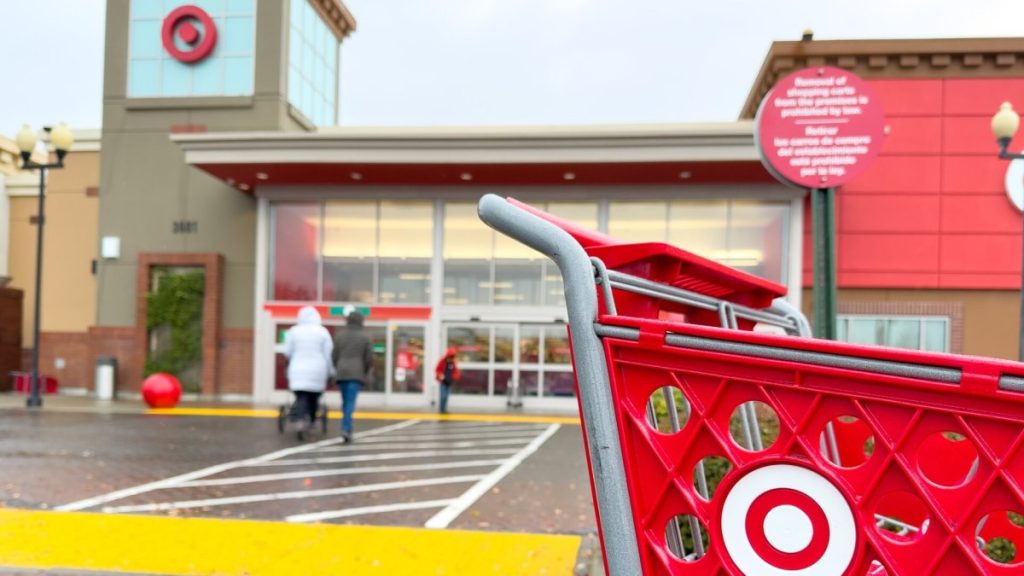
As Target faces a sales drop, investors are left wondering if the retailer’s recent decisions, including the dropping of its diversity, equity, and inclusion (DEI) language, are to blame, or if there are deeper issues at play in the retail industry.
Key Takeaways
- Target’s sales drop may not be solely attributed to its recent political stance or DEI language changes.
- Boycotts rarely have a lasting impact on a company’s sales, suggesting other factors may be contributing to the decline.
- The retail industry is currently navigating a complex economic landscape, with factors like inflation potentially influencing consumer spending habits.
Deep Dive: Understanding Target’s Situation
Target, like many retailers, operates in a highly competitive and constantly evolving market. The decision to drop its DEI language, while potentially controversial, may not be the primary driver of its current sales drop. To understand the situation, it’s essential to consider the broader context of the retail industry and the challenges it faces, including changing consumer behaviors and economic pressures.
Imagine an investor who has been following Target’s performance over the years. They might notice that the company’s sales have been affected by various factors, including consumer confidence, job market stability, and the overall health of the economy. This investor would likely recognize that attributing the sales drop to a single factor, such as the DEI language change, oversimplifies the complex dynamics at play.
Context: Why This Matters Now
The current economic landscape, marked by inflation and shifts in consumer spending, provides a critical backdrop for understanding Target’s situation. Inflation, in this context, refers to the increase in prices of goods and services over time, which can affect consumer purchasing power and, consequently, retail sales. As consumers face higher prices for everyday items, they may adjust their spending habits, potentially impacting retailers like Target.
Historically, similar situations have arisen in the retail industry, where companies have faced challenges due to economic downturns or changes in consumer behavior. For example, during the 2008 financial crisis, many retailers struggled to maintain sales as consumer confidence plummeted. Similarly, the 2020 COVID-19 pandemic led to significant shifts in consumer spending habits, with some retailers adapting more successfully than others.
Pros and Cons for Your Portfolio
- Risk: Investing in Target or similar retailers during this time may come with the risk of continued sales declines if the company fails to adapt to changing consumer behaviors and economic conditions.
- Opportunity: On the other hand, Target’s efforts to revamp its strategy and better align with evolving consumer preferences could present an opportunity for growth, especially if the company successfully navigates the current challenges and emerges stronger.
What This Means for Investors
Given the complex situation, investors should adopt a strategic perspective when considering Target or similar retail stocks. It’s crucial to look beyond the surface-level issues and analyze the company’s fundamental strengths, its ability to adapt to changing market conditions, and the overall health of the retail industry. Investors might consider a wait-and-see approach, monitoring how Target and its peers navigate the current economic landscape before making investment decisions.
Additionally, diversifying a portfolio to include a mix of retail stocks, as well as investments in other sectors, can help mitigate risks associated with any one company or industry. This strategy allows investors to capitalize on opportunities across different markets while minimizing exposure to specific challenges like those Target is currently facing.
In conclusion, while Target’s recent decisions and sales drop are noteworthy, they are part of a larger narrative within the retail industry. By understanding the deeper issues at play and considering both the potential risks and opportunities, investors can make more informed decisions about their portfolios and navigate the complexities of the current market landscape.

 Costco CFO: Unpacking the Special Dividend Decision
  Major Gun Brand Files for Chapter 7 Bankruptcy: Liquidation Imminent
  Baja 500 Champion Racecar Maker Files for Chapter 7 Bankruptcy
  Bank of America Warns: Key Risk Threatening US Economy
  Michael Kors $268 Crossbody Bag Now $57: 9,800+ 5-Star Reviews
  Hoka Waterproof Hiking Shoes on Sale: $100 Off Limited Time