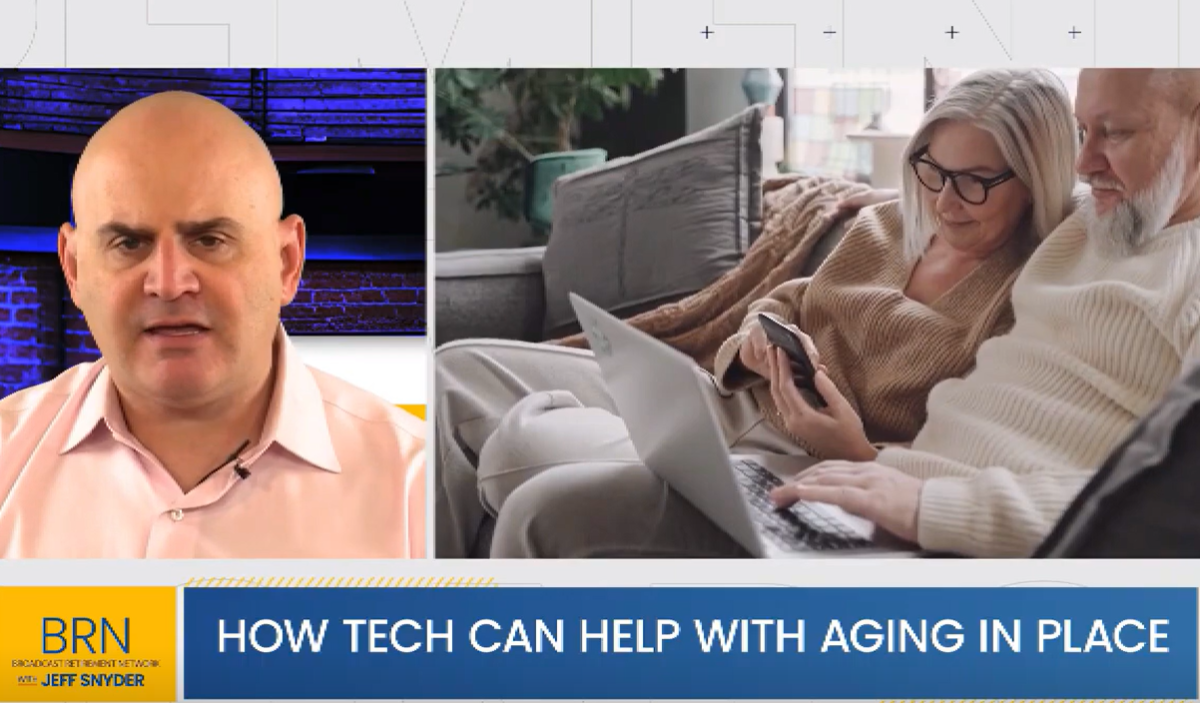
As the global population ages, investors are turning their attention to tech solutions that can help individuals age in place, improving their quality of life while reducing healthcare costs, and the recent discussion between Jeffrey Snyder of the Broadcast Retirement Network and Kristen Garrett of the Consumer Technology Association highlights the growing importance of this trend.
Key Takeaways
- The use of technology to facilitate aging in place is becoming increasingly prevalent, with innovations in areas such as home monitoring systems and personal care robots.
- This trend is driven by demographic changes, including the aging of the baby boomer generation, and economic factors, such as the rising cost of healthcare and the need for cost-effective solutions.
- Investors are taking notice, with significant investments being made in companies that specialize in age-related technologies, from health monitoring devices to smart home systems.
Aging in Place: A Deep Dive
The concept of aging in place refers to the ability of individuals to live in their own homes and communities safely, independently, and comfortably, regardless of age, income, or ability level. This can be achieved through the use of various technologies, such as telehealth services, which enable remote health monitoring and consultations, reducing the need for hospital visits and improving health outcomes.
Imagine an investor who bought into a company that specializes in developing artificial intelligence-powered home care systems. Such systems can learn the daily habits and needs of elderly individuals, providing personalized care and support, and alerting family members or healthcare professionals in case of emergencies. This not only improves the quality of life for the elderly but also provides a potential long-term investment opportunity.
Historically, similar trends have emerged in response to demographic shifts. For example, the rise of the baby boomer generation led to an increase in demand for retirement-related products and services, such as retirement communities and financial planning services. Similarly, the current aging of this generation is driving the demand for technologies that support aging in place.
Context: Why This Matters Now
The current economic and demographic context makes the development and adoption of technologies for aging in place particularly timely. With inflation affecting healthcare costs, making care more expensive, and the ongoing COVID-19 pandemic highlighting the importance of remote care solutions, there is a pressing need for innovative, cost-effective solutions that can support elderly individuals in their own homes.
Furthermore, the demographic shift towards an aging population, with significant increases in the number of people over 65, is creating a large and growing market for these technologies. This presents a significant opportunity for investors who are looking to capitalize on trends that are driven by fundamental demographic changes.
Pros and Cons for Your Portfolio
- Risk: One of the potential downsides of investing in companies that specialize in technologies for aging in place is the regulatory risk. As these technologies become more widespread, there may be increased scrutiny and regulation, which could impact their adoption and profitability.
- Opportunity: On the other hand, the growing demand for these technologies presents a significant growth opportunity for companies that can develop and market effective solutions. Investors who get in early on promising technologies or companies could see substantial returns on their investments.
What This Means for Investors
For investors looking to capitalize on the trend of aging in place, it’s essential to take a strategic perspective. This might involve diversifying your portfolio to include a mix of established companies with a track record in healthcare technology and newer, innovative startups that are pushing the boundaries of what is possible.
Additionally, investors should be aware of the potential for partnerships and collaborations between technology companies, healthcare providers, and insurance companies, which could drive the adoption of these technologies and create new investment opportunities. By staying informed and adapting to the evolving landscape, investors can position themselves to benefit from the growing demand for technologies that support aging in place.
Ultimately, the key to success will be identifying the companies and technologies that are best positioned to meet the needs of the aging population, while also navigating the complex regulatory and economic factors that are at play. With the right strategy and a deep understanding of the market, investors can turn the challenge of aging in place into a significant investment opportunity.