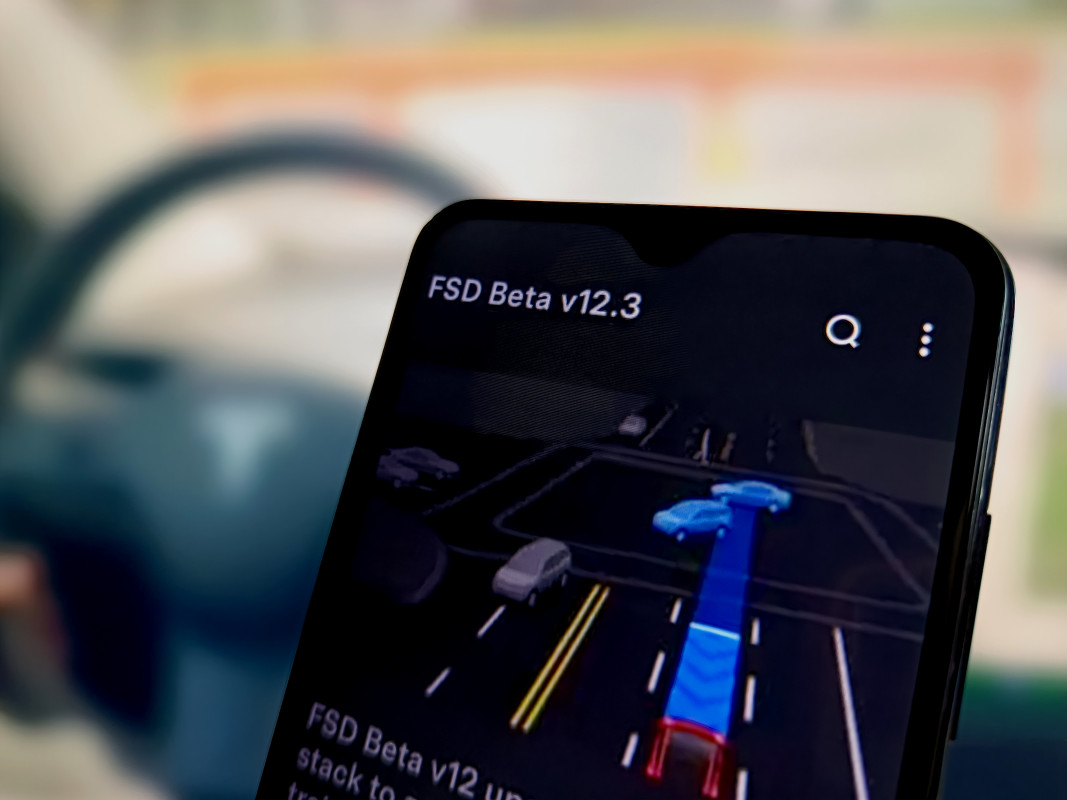
Tesla’s admission that Full Self-Driving is not a Level 4 autonomous driving experience has sent shockwaves through the automotive and tech industries, raising questions about the future of autonomous vehicles and the regulatory landscape in California and beyond.
Key Takeaways
- Tesla has clarified that its Full Self-Driving (FSD) technology is not a true Level 4 autonomous driving experience, but rather a supervised system.
- The Society of Automotive Engineers (SAE International) defines Level 4 autonomous driving as a system that can take full control of the vehicle in certain environments, without human intervention.
- The clarification has significant implications for Tesla’s sales and marketing strategies, particularly in California where regulatory scrutiny is high.
Tesla’s Autonomous Driving Technology: A Deep Dive
Tesla’s FSD technology has been a subject of controversy and debate, with some critics arguing that the company’s marketing claims have been misleading. By adding “Supervised” to the FSD moniker, Tesla is acknowledging that its system requires human oversight and intervention, which is a key distinction from true Level 4 autonomy. This clarification is significant, as it highlights the limitations of current autonomous driving technology and the need for ongoing human supervision.
Imagine an investor who bought Tesla stock based on the promise of full autonomy, only to discover that the technology is still in its supervised infancy. This scenario illustrates the importance of understanding the nuances of autonomous driving technology and the regulatory landscape. As the automotive and tech industries continue to evolve, investors must stay informed about the latest developments and their potential impact on the market.
Historically, the automotive industry has been slow to adopt new technologies, but the rise of electric vehicles and autonomous driving has accelerated the pace of innovation. Similar to the 2021 tech boom, the current autonomous driving landscape is characterized by rapid advancements, regulatory uncertainty, and high stakes for investors. By understanding the complexities of autonomous driving technology and the regulatory environment, investors can make informed decisions about their portfolios.
Context: Why This Matters Now
The clarification of Tesla’s FSD technology comes at a time of heightened regulatory scrutiny in California, where the company is headquartered. The California Department of Motor Vehicles (DMV) has been reviewing Tesla’s autonomous driving technology, and the company’s admission that FSD is not a true Level 4 system may have implications for its sales and marketing strategies in the state. As the automotive and tech industries continue to intersect, regulatory bodies are grappling with how to oversee the development and deployment of autonomous driving technology.
The current economic factors at play, including the ongoing pandemic and supply chain disruptions, have created a complex landscape for investors. With the rise of electric vehicles and autonomous driving, investors must consider the potential risks and opportunities associated with these emerging technologies. By understanding the context and implications of Tesla’s FSD technology, investors can navigate the evolving market landscape and make informed decisions about their portfolios.
Pros and Cons for Your Portfolio
- Risk: The clarification of Tesla’s FSD technology may lead to increased regulatory scrutiny, which could negatively impact the company’s sales and stock price. Investors who have bet on Tesla’s autonomous driving technology may see their investments decline in value.
- Opportunity: The acknowledgment of FSD’s limitations may also create opportunities for investors who are looking to capitalize on the growth of autonomous driving technology. As the industry continues to evolve, companies that are developing true Level 4 autonomous systems may see increased demand and investment.
What This Means for Investors
In light of Tesla’s clarification, investors should take a step back and reassess their portfolios. Those who have invested in Tesla or other companies developing autonomous driving technology should consider the potential risks and opportunities associated with these investments. By understanding the nuances of autonomous driving technology and the regulatory landscape, investors can make informed decisions about their portfolios and navigate the evolving market landscape.
As the automotive and tech industries continue to intersect, investors should stay informed about the latest developments and their potential impact on the market. By doing so, they can capitalize on the growth of emerging technologies and minimize their exposure to potential risks. Whether you’re a seasoned investor or just starting out, it’s essential to stay up-to-date on the latest news and trends in the autonomous driving space.
Ultimately, the future of autonomous driving technology is uncertain, and investors must be prepared for a range of outcomes. By staying informed, diversifying their portfolios, and taking a long-term perspective, investors can navigate the complexities of the autonomous driving landscape and make informed decisions about their investments. As the market continues to evolve, one thing is clear: the future of autonomous driving will be shaped by a combination of technological innovation, regulatory oversight, and investor sentiment.