


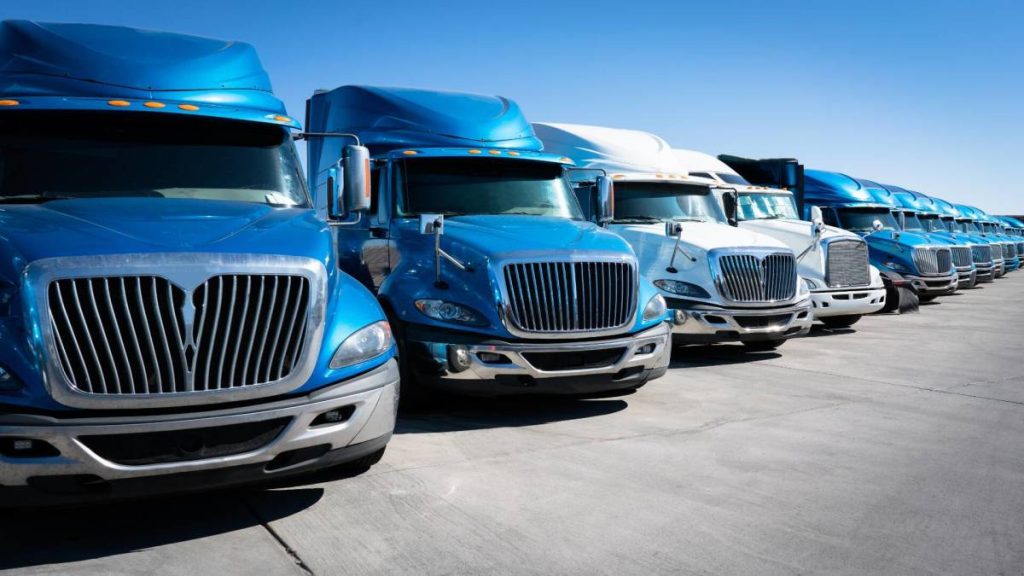
The US trucking industry is facing a severe crisis, with companies like a 29-year veteran trucking company recently filing for Chapter 11 bankruptcy, highlighting the struggles of the sector due to squeezed rates and climbing costs, amidst a backdrop of inflation that has failed to be matched by spot rates, according to data from the American Trucking Association.
Key Takeaways
- The US trucking industry is experiencing a significant downturn due to economic factors such as squeezed rates and rising costs.
- A 29-year veteran trucking company has filed for Chapter 11 bankruptcy, signaling the severity of the crisis.
- The industry’s struggles are exacerbated by inflation, which has outpaced spot rate increases, reducing profit margins for trucking companies.
Trucking Industry Crisis: A Deep Dive
The news of a 29-year veteran trucking company filing for Chapter 11 bankruptcy is a stark reminder of the challenges facing the US trucking industry. At the heart of the issue are spot rates that have not kept pace with inflation, leading to squeezed profit margins for trucking companies. To understand this, it’s essential to define what inflation means in this context: it refers to the general increase in prices of goods and services, which, in the case of the trucking industry, includes fuel, maintenance, and labor costs.
Imagine an investor who bought into a trucking company a few years ago, expecting steady growth due to the constant demand for transportation services. However, with the onset of inflation and stagnant spot rates, the investor might now be facing significant losses as the company struggles to maintain profitability. This scenario illustrates the real-world impact of economic factors on businesses and investments.
Context: Why This Matters Now
The current situation in the trucking industry is not without historical precedent. Similar to the 2008 financial crisis, where numerous industries faced significant downturns due to economic instability, the trucking sector is now grappling with its own set of challenges. The difference this time around is the specific combination of factors, including inflation, global supply chain disruptions, and shifts in consumer behavior, which have all contributed to the perfect storm affecting trucking companies.
Historically, the trucking industry has been resilient, adapting to various economic conditions. However, the current crisis, marked by the bankruptcy of long-standing companies, signals a need for a closer examination of the industry’s structure and the strategies employed by its players to navigate such challenging times.
Pros and Cons for Your Portfolio
- Risk: Investing in the trucking industry at this time could pose significant risks, including the potential for further bankruptcies and consolidations, which could negatively impact stock prices and investment returns.
- Opportunity: On the other hand, the crisis could also present opportunities for investors who are willing to take a long-term view. Companies that successfully navigate these challenges could emerge stronger, potentially leading to substantial returns on investment for those who invest at the right time.
What This Means for Investors
For investors considering their next moves in response to the trucking industry crisis, a cautious yet informed approach is advisable. While the current situation presents risks, it also underscores the importance of diversification and the potential for strategic investments in resilient companies. Investors should closely monitor industry developments, looking for signs of recovery or innovative strategies that could signal a turnaround for specific companies or the sector as a whole.
Ultimately, the key to navigating this challenging landscape is staying informed and being prepared to adapt investment strategies as the situation evolves. By doing so, investors can minimize risks and position themselves to capitalize on opportunities as the trucking industry works through its current challenges and looks towards a more stable future.

 Vintage 3-Tier Side Table Now $29: Walmart’s Best Furniture Deal
  Disney’s 2026 Shift: Streaming Reforms Unveiled
  Walmart’s 2-Tier Clothing Organizer on Sale for $20
  Kroger Cuts Key Customer Service: What’s Changing Now
  Nvidia Shocks Market: Will They Skip New GPU Release?
  $70 Farmhouse Storage Bench: Amazon’s Luxe Organizer