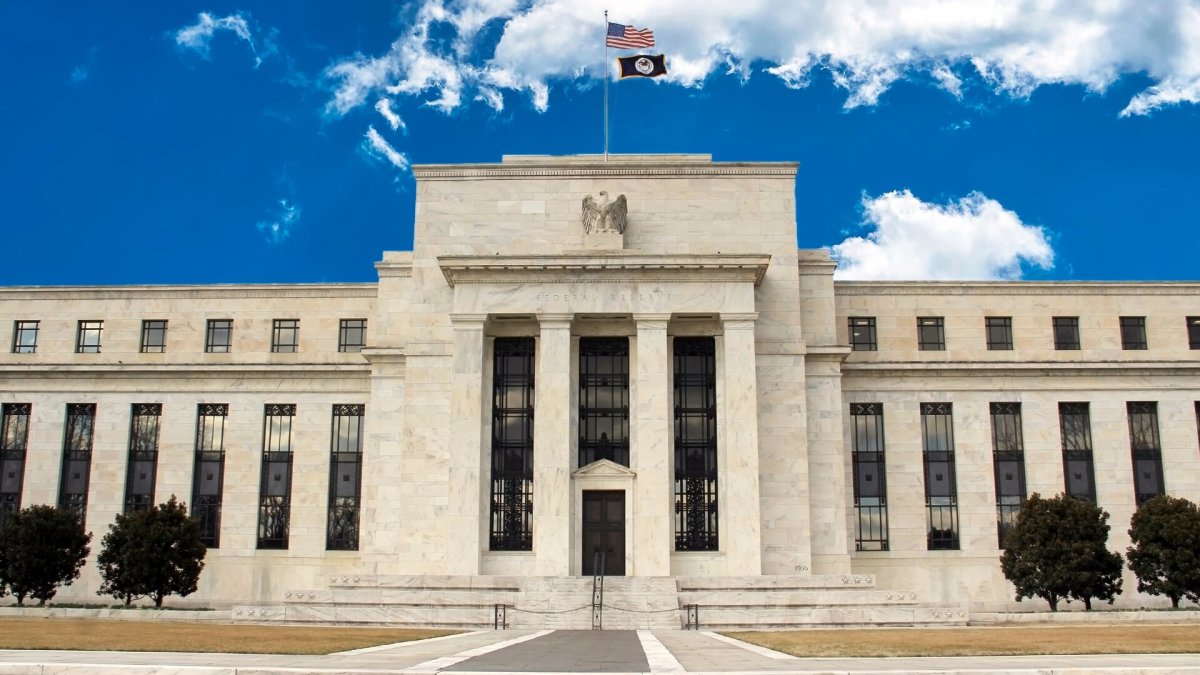
As President Donald Trump intensifies his criticism of the Federal Reserve, investors are bracing themselves for a potential market shock, with the central bank’s decisions on interest rates hanging in the balance and directly impacting borrowing costs, inflation, and long-term investing conditions.
Key Takeaways
- The Federal Reserve’s interest rate decisions have a significant impact on the overall economy, influencing borrowing costs, employment rates, and consumer spending.
- President Trump’s criticism of the Fed may lead to changes in monetary policy, potentially affecting the stock market and investor portfolios.
- Investors should be prepared for potential market volatility and consider diversifying their portfolios to mitigate risks.
Understanding the Federal Reserve’s Role
The Federal Reserve, the central bank of the United States, plays a crucial role in shaping the country’s monetary policy. One of its primary tools is setting interest rates, which affects the cost of borrowing for consumers and businesses. When interest rates are low, borrowing becomes cheaper, and economic growth is often stimulated. Conversely, high interest rates can slow down economic growth by increasing the cost of borrowing. Inflation, which refers to the rate at which prices for goods and services are rising, is also closely monitored by the Fed, as high inflation can erode the purchasing power of consumers.
Context: Why This Matters Now
The current situation is not unprecedented. Similar to the 2018 trade tensions, the ongoing political scrutiny of the Federal Reserve may lead to significant market fluctuations. Historically, the Fed has maintained its independence, making decisions based on economic data and forecasts rather than political pressure. However, the current administration’s criticism may test the central bank’s resolve and potentially influence its decision-making process. Imagine an investor who bought stocks in a company that relies heavily on borrowing to finance its operations; if interest rates rise, the company’s costs would increase, potentially affecting its profitability and, in turn, the investor’s returns.
Historical Precedent and Market Impact
Looking back at the 2008 financial crisis, the Fed’s swift action in lowering interest rates and implementing quantitative easing helped stabilize the economy. However, the current situation is different, with the economy experiencing a period of growth, albeit at a slower pace. The potential for the Fed to change its monetary policy stance, either in response to political pressure or due to shifting economic conditions, could have far-reaching consequences for the market. For instance, if the Fed were to lower interest rates in response to pressure from the administration, it could lead to increased borrowing and spending, potentially stimulating economic growth but also risking higher
Pros and Cons for Your Portfolio
- Risk: A change in the Fed’s monetary policy could lead to increased market volatility, potentially resulting in losses for investors who are not adequately diversified or prepared for such fluctuations.
- Opportunity: On the other hand, if the Fed does decide to lower interest rates, it could lead to increased borrowing and spending, potentially stimulating economic growth and leading to higher returns for investors who are positioned to take advantage of such a scenario.
What This Means for Investors
Given the current uncertainty surrounding the Federal Reserve’s future actions, investors should consider taking a cautious approach. Diversifying portfolios to include a mix of low-risk bonds, dividend-paying stocks, and other assets can help mitigate potential losses. Additionally, investors should keep a close eye on economic indicators, such as employment rates, GDP growth, and inflation levels, as these will likely influence the Fed’s decision-making process. By being informed and prepared, investors can better navigate the potential market shock and make strategic decisions to protect and grow their investments.
Strategic Considerations for Investors
Investors should also consider the potential impact of the Fed’s actions on different sectors and industries. For example, a lower interest rate environment could benefit companies in the technology or healthcare sectors, which often rely on borrowing to finance their operations. On the other hand, a higher interest rate environment could favor companies in the financial sector, such as banks, which tend to benefit from higher lending rates. By understanding these dynamics and positioning their portfolios accordingly, investors can potentially capitalize on the opportunities presented by the Fed’s actions.
Conclusion and Future Outlook
In conclusion, the current situation with the Federal Reserve and the potential for changes in monetary policy poses both risks and opportunities for investors. By understanding the factors at play, including the impact of interest rates on borrowing costs and inflation, and by taking a strategic and diversified approach to investing, individuals can better navigate the potential market shock and achieve their long-term financial goals. As the situation continues to unfold, it will be essential for investors to remain informed and adapt their strategies as needed to respond to the evolving economic landscape.