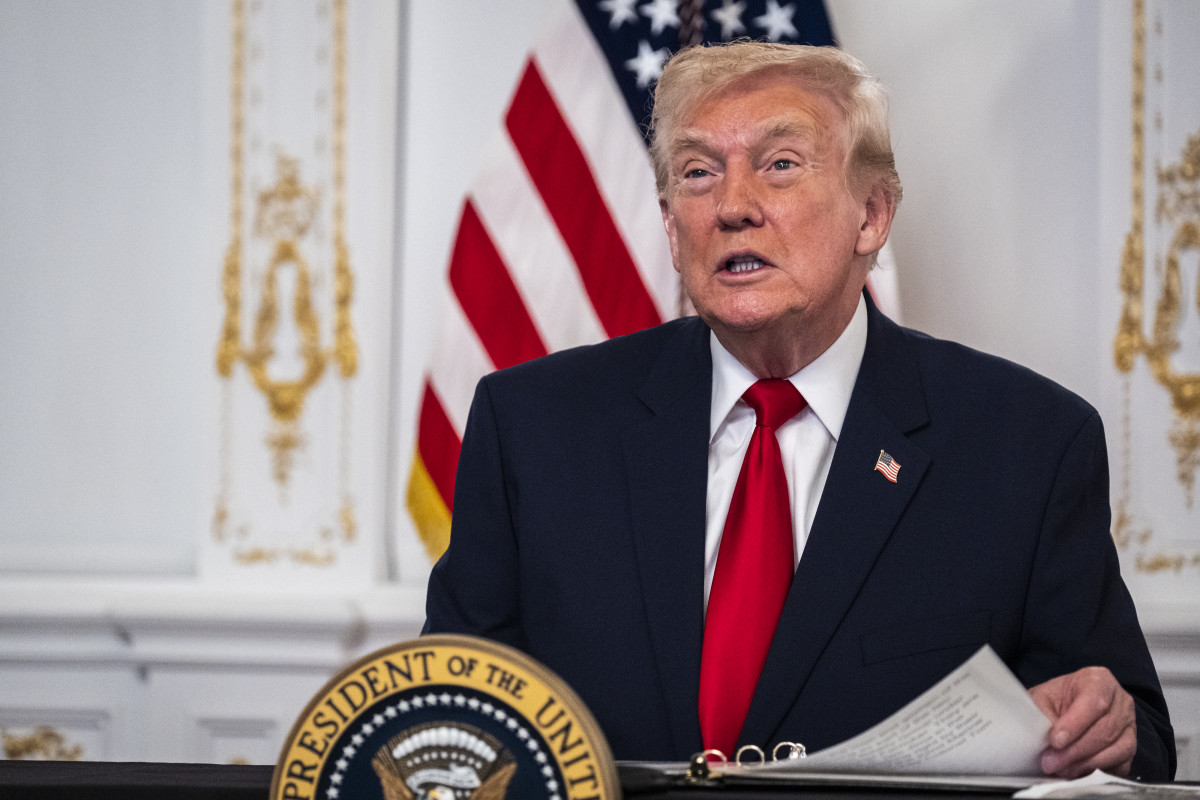
As President Donald Trump hints at putting American energy companies in charge of reviving Venezuela’s oil system, a fierce competition for Chevron rivals is ignited, sparking both opportunities and risks for investors in the US energy sector.
Key Takeaways
- The potential US involvement in Venezuela’s oil industry could lead to significant investments and returns for American energy companies.
- Chevron, as a major player in the global energy market, may face increased competition from other US-based companies looking to capitalize on Venezuela’s oil reserves.
- The geopolitical implications of such a move could have far-reaching consequences for the global energy market, potentially affecting oil prices and supply chains.
Trump’s Oil Bet: A Deep Dive
When President Trump talks about the United States “running” Venezuela, he is essentially referring to a receivership model, where American energy companies would take control of and manage Venezuela’s oil system. This approach is not merely a policy tweak but a significant overhaul of the country’s energy sector, aiming to revive one of the world’s most valuable but damaged oil systems. The idea is to leverage American expertise and investment to restore Venezuela’s oil production, which has been severely impacted by years of mismanagement, corruption, and economic sanctions.
Context: Why This Matters Now
The context of Trump’s statement is crucial, as it comes at a time when the global energy landscape is undergoing significant changes. The rise of shale oil production in the US has transformed the country into a major oil exporter, challenging the dominance of traditional oil-producing nations. Meanwhile, Venezuela’s oil industry, once a powerhouse, has been in decline due to a combination of factors, including economic mismanagement, corruption, and US sanctions. The potential for American companies to step in and revitalize Venezuela’s oil sector presents a complex mix of economic, geopolitical, and strategic considerations.
Historical Precedent
Similar scenarios have played out in the past, where foreign investment and expertise have been used to revive struggling oil industries. For example, the Iraqi oil industry was rebuilt with significant international investment following the US-led invasion in 2003. However, the success of such ventures depends on a range of factors, including the stability of the host country, the terms of the investment, and the geopolitical climate.
Pros and Cons for Your Portfolio
- Risk: Investing in a country with a history of political instability and economic turmoil, like Venezuela, comes with significant risks. The potential for expropriation, nationalization, or changes in government policies could jeopardize investments and affect returns.
- Opportunity: On the other hand, the potential for high returns on investment in a country with vast oil reserves cannot be overlooked. Successful revival of Venezuela’s oil industry could lead to substantial profits for investors, particularly those who are early movers in the sector.
What This Means for Investors
For investors considering their next move, it’s essential to approach the situation with a nuanced perspective, weighing both the potential risks and opportunities. While the prospect of American energy companies taking over Venezuela’s oil system presents a unique investment opportunity, it’s crucial to consider the geopolitical and economic factors at play. A strategic approach might involve diversifying investments across different sectors and regions to mitigate risks while keeping a close eye on developments in Venezuela and the global energy market.
Strategic Considerations
Imagine an investor who buys into Chevron or other US-based energy companies that are poised to benefit from the potential revival of Venezuela’s oil industry. Such an investor would need to consider the long-term implications of their investment, including the potential for increased competition, changes in oil prices, and geopolitical shifts. Similarly, investors looking to capitalize on the growth potential of the US energy sector might consider companies involved in shale oil production, given the country’s rising status as a major oil exporter.
Conclusion and Future Outlook
The potential for American energy companies to play a significant role in reviving Venezuela’s oil industry is a complex and multifaceted issue, filled with both promise and peril. As investors navigate this landscape, they must remain vigilant, keeping abreast of developments in the global energy market, geopolitical shifts, and economic indicators. By adopting a well-informed, strategic approach, investors can position themselves to capitalize on emerging opportunities while mitigating risks in a rapidly evolving energy sector.