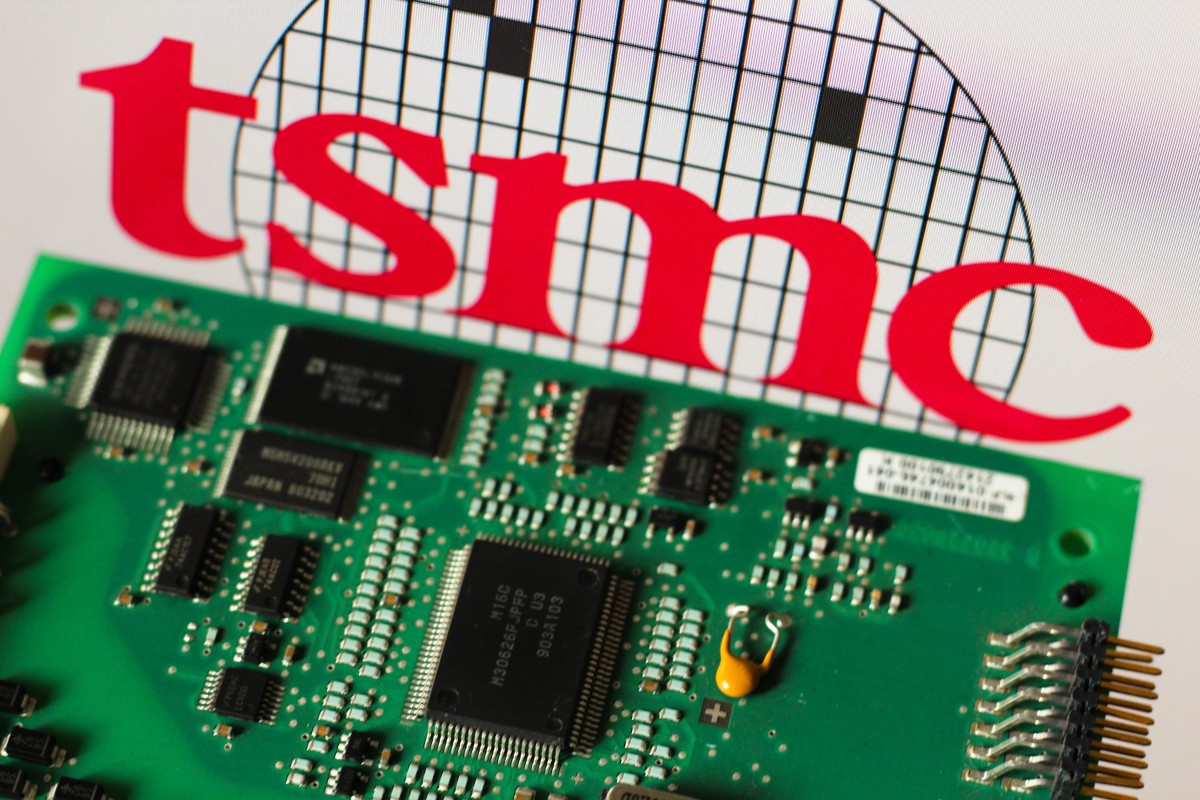
Taiwan Semiconductor Manufacturing Company’s (TSMC) recent Q4 earnings report has sent shockwaves through the market, sparking concerns about an AI bubble as its shares soared to a new 52-week high, fueled by optimism about artificial intelligence and its potential impact on the tech industry.
Key Takeaways
- TSMC’s Q4 earnings beat Wall Street expectations, driven by AI investment and growth in the semiconductor industry.
- The company’s shares increased by 5% intraday, reaching a new 52-week high, indicating strong market confidence in its future prospects.
- The earnings report has sparked concerns about an AI bubble, with some investors worrying that the market may be overvaluing AI-related stocks and companies.
TSMC’s Q4 Earnings: A Deep Dive
TSMC’s Q4 earnings report, released on January 15, exceeded analyst expectations, with the company reporting strong revenue growth driven by increasing demand for its semiconductor products, particularly in the AI and high-performance computing sectors. This growth is largely attributed to TSMC’s strategic investments in AI technology and its partnerships with leading AI companies. As a result, TSMC’s shares have experienced a significant surge, with investors optimistic about the company’s future prospects in the rapidly evolving AI landscape.
Context: Why This Matters Now
The current market sentiment is influenced by the rapid advancement and adoption of artificial intelligence technologies across various industries. The semiconductor sector, in particular, is experiencing a surge in demand due to the need for high-performance computing chips that can support complex AI algorithms. This has led to increased investment in AI-related stocks and companies, with some investors worrying that the market may be approaching a bubble similar to the dot-com bubble of the early 2000s. Economic factors such as low interest rates, government incentives for tech investments, and the ongoing digital transformation of industries are also contributing to the current market dynamics.
Pros and Cons for Your Portfolio
- Risk: The potential for an AI bubble bursting could lead to significant losses for investors who have overexposed themselves to AI-related stocks, including TSMC. If the market corrects and AI stocks decline in value, investors may face substantial losses.
- Opportunity: On the other hand, TSMC’s strong earnings report and growing demand for its semiconductor products present a significant opportunity for investors to capitalize on the AI trend. By investing in companies like TSMC, which are well-positioned to benefit from the growth of AI, investors may be able to realize substantial returns on their investments.
What This Means for Investors
Given the current market dynamics, investors should approach AI-related stocks with caution, carefully evaluating the potential risks and rewards. It is essential to conduct thorough research and due diligence on companies like TSMC, considering factors such as their financial health, competitive position, and growth prospects. Investors may also want to consider diversifying their portfolios to mitigate potential losses in the event of an AI bubble bursting. Ultimately, a strategic and informed approach to investing in AI-related stocks can help investors navigate the complexities of the current market and potentially realize significant returns on their investments.
Historical Context and Future Prospects
Similar to the 2008 crash and the 2021 tech boom, the current AI-driven market trend is characterized by rapid growth and high investor enthusiasm. However, it is crucial for investors to learn from past experiences and avoid making similar mistakes. By adopting a long-term perspective and focusing on companies with strong fundamentals, investors can increase their chances of success in the AI-driven market. As the AI landscape continues to evolve, investors should stay informed about the latest developments and adjust their strategies accordingly to capitalize on emerging opportunities and mitigate potential risks.
Investment Strategies for a Volatile Market
In a volatile market, it is essential for investors to have a well-diversified portfolio that can withstand potential fluctuations in AI-related stocks. Investors may consider allocating a portion of their portfolio to more stable assets, such as bonds or dividend-paying stocks, to reduce their overall risk exposure. Additionally, investors can employ strategies such as dollar-cost averaging, which involves investing a fixed amount of money at regular intervals, regardless of the market’s performance. This approach can help reduce the impact of market volatility and timing risks, allowing investors to benefit from the long-term growth potential of AI-related stocks.
Conclusion and Future Outlook
In conclusion, TSMC’s Q4 earnings report has sparked concerns about an AI bubble, but it also presents a significant opportunity for investors to capitalize on the growth of AI. By adopting a strategic and informed approach to investing in AI-related stocks, investors can navigate the complexities of the current market and potentially realize substantial returns on their investments. As the AI landscape continues to evolve, investors should stay informed about the latest developments and adjust their strategies accordingly to capitalize on emerging opportunities and mitigate potential risks. With a long-term perspective and a well-diversified portfolio, investors can increase their chances of success in the AI-driven market and achieve their investment goals.