


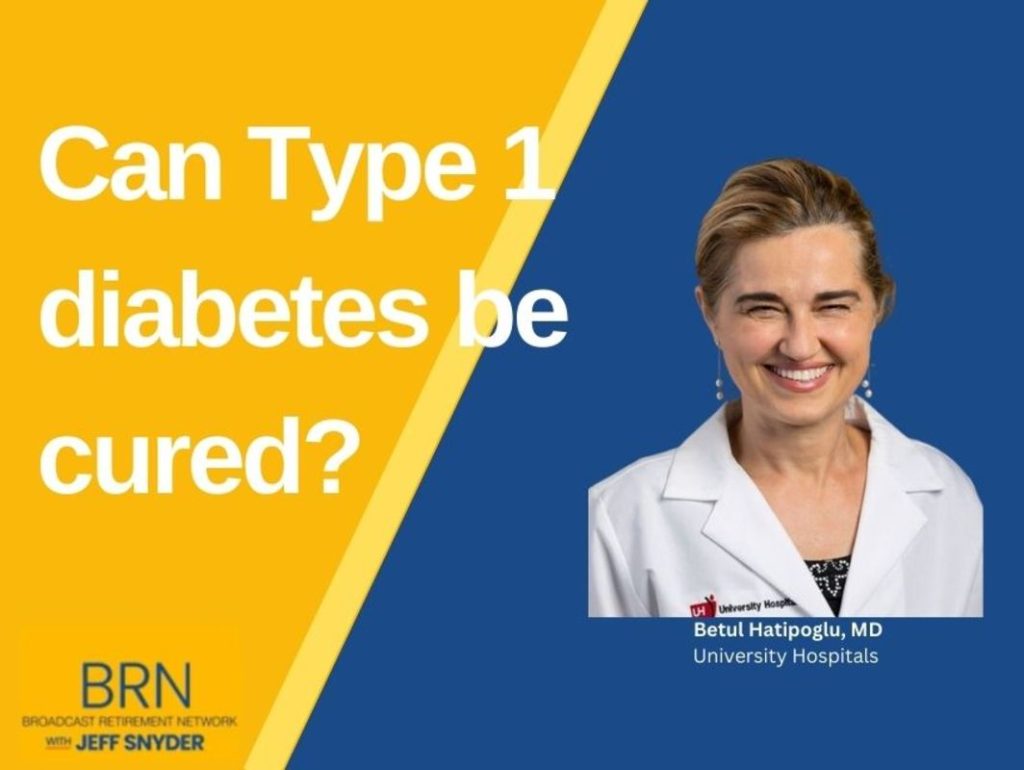
As the medical community continues to grapple with the complexities of Type 1 diabetes, investors are keenly watching for any breakthroughs that could lead to a potential cure, and the financial implications that come with it.
Key Takeaways
- Type 1 diabetes is a chronic condition that affects millions of people worldwide, with significant financial burdens on individuals and healthcare systems.
- Researchers and medical professionals, such as Dr. Betul Hatipoglu from University Hospitals, are working tirelessly to develop new treatments and potential cures for the disease.
- Any breakthroughs in Type 1 diabetes research could have substantial implications for the pharmaceutical industry, healthcare sector, and investors who are looking to capitalize on medical innovations.
Type 1 Diabetes: Understanding the Condition
Type 1 diabetes is an autoimmune disease in which the body’s immune system attacks the insulin-producing beta cells in the pancreas, resulting in high blood sugar levels. The condition requires constant management through insulin therapy, dietary changes, and regular monitoring of blood sugar levels.
The financial burden of Type 1 diabetes is significant, with direct medical costs and indirect costs such as lost productivity and premature mortality. Inflation in healthcare costs can further exacerbate the financial strain on individuals and families affected by the disease.
Imagine an individual diagnosed with Type 1 diabetes at a young age, facing a lifetime of medical expenses, including insulin, supplies, and potential complications. The cumulative cost can be overwhelming, highlighting the need for a cure or more effective treatments to alleviate the financial and emotional burden.
Context: Why This Matters Now
The search for a Type 1 diabetes cure is not new, but recent advancements in medical research and technology have renewed hope for a breakthrough. Similar to the 2021 tech boom in the healthcare sector, where investments in medical innovations surged, the current focus on Type 1 diabetes research could lead to significant returns for investors who are willing to take calculated risks.
Historically, investments in pharmaceutical companies that develop innovative treatments for chronic conditions have yielded substantial returns. For example, the development of treatments for diseases like HIV and hepatitis C has led to significant profits for companies like Gilead Sciences and Vertex Pharmaceuticals.
The current economic factors at play, including government initiatives to support medical research and the growing demand for effective treatments, create a favorable environment for investments in Type 1 diabetes research.
Pros and Cons for Your Portfolio
- Risk: Investing in companies focused on Type 1 diabetes research carries the risk of failure, as the development of new treatments is a complex and uncertain process. If a company’s research efforts do not yield positive results, the value of the investment could decline significantly.
- Opportunity: A breakthrough in Type 1 diabetes research could lead to substantial returns for investors, as a new treatment or cure would likely be in high demand and generate significant revenue for the company. Additionally, the potential for expanded indications and applications of the treatment could further increase its value.
What This Means for Investors
Investors who are considering investing in companies focused on Type 1 diabetes research should take a strategic perspective, weighing the potential risks and rewards. It is essential to conduct thorough research on the company, its research pipeline, and the competitive landscape to make informed investment decisions.
A diversified portfolio that includes a mix of established pharmaceutical companies and innovative biotech firms could provide a balanced approach to investing in the healthcare sector. Investors should also consider the long-term potential of their investments, as the development of new treatments and cures is often a lengthy process.
Ultimately, the search for a Type 1 diabetes cure is a complex and ongoing process that requires significant investments in research and development. As the medical community continues to make progress, investors who are willing to take calculated risks could potentially reap substantial rewards, while also contributing to the development of life-changing treatments for millions of people worldwide.

 Alan Greenspan’s Net Worth at 100: Insights into His Wealth
  $10 Billion Dividend Payout: 189-Year-Old King’s Surprising Plan
  Stocks Rebound Amid Rising Iran Conflict Tensions Today
  Cramer’s Bold Move: Should Disney Acquire Rival Cruise Line
  Major Pharmacy Chain Closure: Impact on Consumers Now
  Waymo’s Austin Test Crashes Amid Mass Shooting Drama