

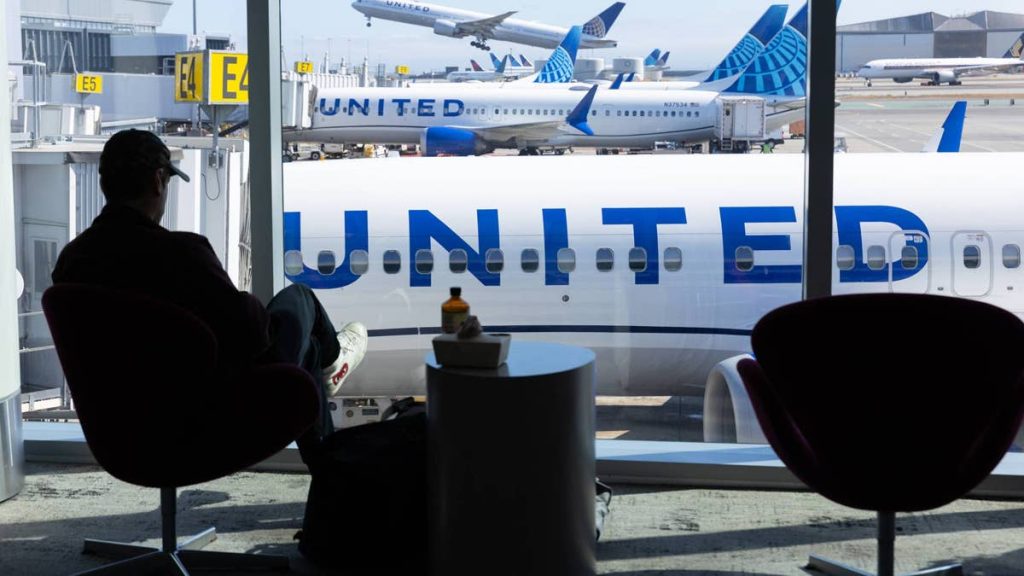
The airline industry is facing a perfect storm of rising costs, with United Airlines warning of soaring fare prices, checked bag fees, and reduced flight schedules.
Key Takeaways
- United Airlines is raising checked bag fees and introducing a new tiered fare system.
- The airline is cutting approximately 5% of its planned spring and summer flights.
- Rising costs and increased competition are driving the industry’s price adjustments.
Rising Fare Prices: A Double-Edged Sword
Rising fare prices can be a significant source of income for airlines, but they also deter customers from booking flights, potentially leading to a decline in demand. This vicious cycle can have far-reaching consequences for the airline’s bottom line. Imagine an investor who bought United Airlines stock in 2020, expecting the airline to rebound from the pandemic-induced losses. However, with fare prices increasing and flight schedules being cut, the investor may now be facing a challenging decision.
Inflation: A Key Driver of Rising Costs
Inflation is a sustained increase in the general price level of goods and services in an economy over a period of time. It’s a critical concept to understand in this context, as inflation can erode the purchasing power of consumers and drive up costs for airlines. When inflation rises, the cost of fuel, maintenance, and other expenses increases, forcing airlines to adjust their prices accordingly. In the US, inflation has been steadily increasing, with the Consumer Price Index (CPI) rising by 6.5% in the past year.
A Brief History of Airline Price Adjustments
Similar to the 2008 financial crisis, when airlines responded to high fuel costs by introducing fuel surcharges, United Airlines is now reacting to a new set of challenges. In 2021, the airline industry experienced a surge in demand, leading to increased competition and downward pressure on prices. To combat this, airlines like United introduced fare sales and promotions, which may have helped to fill seats but ultimately led to a decrease in revenue per available seat mile (RASM). The current price adjustments are a response to these ongoing market dynamics.
Pros and Cons for Your Portfolio
- Risk: The airline industry is highly competitive, and United Airlines may struggle to maintain its market share in the face of rising costs and increased competition.
- Opportunity: With the airline industry expected to continue growing, United Airlines may benefit from increased demand and higher fares in the long term.
What This Means for Investors
As an investor, it’s essential to consider the risks and opportunities presented by United Airlines’ price adjustments. While the current environment may be challenging, the airline’s long-term prospects remain strong. Investors may want to consider diversifying their portfolio to include airlines with a strong balance sheet and a solid track record of growth. A strategic perspective would be to focus on airlines with a diversified revenue stream, a robust cost structure, and a clear plan to adapt to the changing market landscape. By doing so, investors can mitigate risks and capitalize on opportunities in the airline industry.
Context: Why This Matters Now
The airline industry is facing a perfect storm of rising costs, increased competition, and changing consumer behavior. United Airlines’ price adjustments are a response to these ongoing market dynamics, and investors should be aware of the potential risks and opportunities. By understanding the context and taking a strategic perspective, investors can navigate the challenges and capitalize on the opportunities presented by the airline industry.
Conclusion
United Airlines’ price adjustments are a symptom of a broader industry trend, driven by rising costs, increased competition, and changing consumer behavior. Investors should be aware of the potential risks and opportunities presented by this development and take a strategic perspective to navigate the challenges and capitalize on the opportunities in the airline industry.

