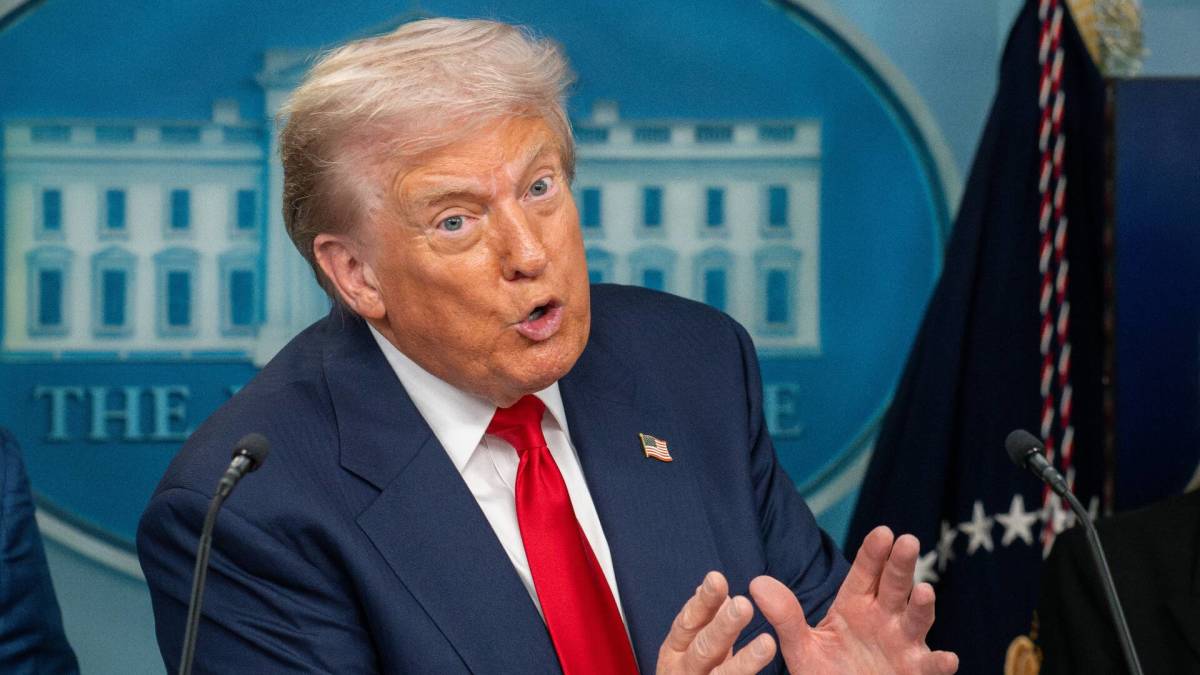
The ongoing geopolitical tensions between the United States and Canada, coupled with recent events in Venezuela and Greenland, have taken a significant toll on US tourism, leaving investors and travelers alike wondering about the future of cross-border travel and its economic implications.
Key Takeaways
- The current administration’s stance towards Canada, including references to it as a “51st state” and the imposition of tariffs, has led to widespread protests in Canada.
- Geopolitical events in Venezuela and Greenland have somewhat overshadowed these tensions but have not alleviated the concerns of Canadians towards US policies.
- The impact on US tourism from Canadian travelers is a significant concern, given the substantial economic contribution of tourism to the US economy.
US-Canada Relations: A Deep Dive
The relationship between the United States and Canada is complex, with both countries sharing the world’s longest international border and a long history of diplomatic and economic cooperation. However, recent geopolitical events and policy decisions have strained this relationship, with potential implications for various sectors, including tourism. The reference to Canada as a “51st state” by President Donald Trump, along with the imposition of tariffs, has been met with resistance and protests in Canada, signaling a shift in how Canadians perceive their southern neighbor.
Context: Why This Matters Now
The current situation is exacerbated by global economic factors, including trade policies and geopolitical instability. The tariffs imposed on Canada, alongside other nations, are part of a broader trade strategy by the US, aiming to renegotiate trade agreements and protect domestic industries. However, this approach has led to retaliatory measures from affected countries, including Canada, which has resulted in a trade standoff. For US tourism, the timing could not be worse, as the industry relies heavily on international visitors, with Canada being one of its largest sources of foreign tourists.
Economic Factors at Play
Inflation is a key economic factor to consider in this context, as trade tensions and tariffs can lead to increased prices of goods and services, affecting consumer spending and, by extension, the tourism industry. The cost of travel, accommodations, and tourist attractions could rise, making the US a less attractive destination for Canadian travelers. This scenario is reminiscent of past trade disputes, where such economic factors played a significant role in shaping the outcome and impact on related industries.
Pros and Cons for Your Portfolio
- Risk: The decline in Canadian tourism could negatively impact stocks related to the travel and hospitality sectors in the US, including airlines, hotels, and tourist attractions. Investors should consider this potential downturn when evaluating their portfolio’s exposure to these industries.
- Opportunity: On the other hand, the situation could present opportunities for investors to diversify their portfolios by looking into sectors or companies that are less dependent on international tourism or are poised to benefit from shifts in consumer behavior and travel patterns. For instance, domestic tourism-focused businesses might see an uptick as Americans opt for travel within the country over international destinations.
What This Means for Investors
Given the current geopolitical and economic landscape, investors should adopt a cautious yet strategic approach. It’s essential to monitor the developments in US-Canada relations and their impact on the tourism industry, as well as to keep an eye on broader economic indicators such as inflation and trade policies. Diversification remains a key strategy to mitigate risks, and investors may want to consider allocating their investments across different sectors and geographies to minimize exposure to any one particular market or industry. Furthermore, staying informed about potential shifts in consumer behavior and travel trends can help investors make more informed decisions about their portfolios.
A Historical Perspective
Similar to past trade disputes and geopolitical tensions, the current situation between the US and Canada underscores the interconnectedness of global economies and the potential for rapid change. Investors who recall the 2008 financial crisis or more recent trade wars can appreciate the importance of flexibility and adaptability in investment strategies. By learning from these historical events and applying those lessons to current market conditions, investors can better navigate the challenges and opportunities presented by the US-Canada relationship and its impact on tourism.
Conclusion
In conclusion, the impact of geopolitical tensions between the US and Canada on tourism is a complex issue with significant economic implications. As investors, it’s crucial to stay abreast of developments in this relationship and consider both the risks and opportunities that arise from it. By adopting a well-informed and strategic approach to investment, individuals can mitigate potential downsides and position themselves to capitalize on emerging trends and shifts in the market.