


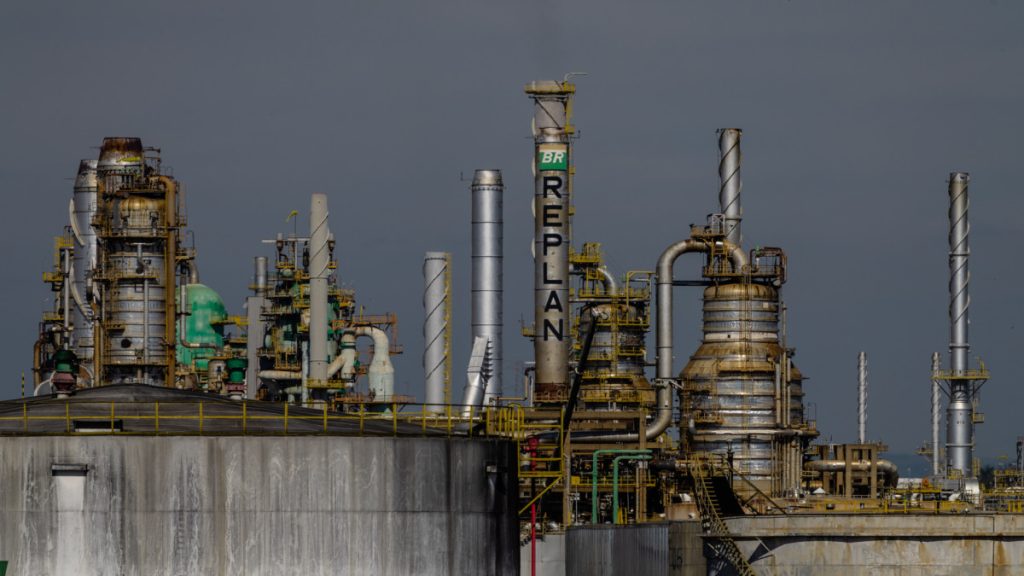
As the global energy market grapples with the strain on the Strait of Hormuz and the jeopardy of Iranian oil exports, Venezuela’s quiet resumption of diluted crude oil (DCO) exports has opened a crucial pressure valve, potentially altering the dynamics of global oil prices and market stability.
Key Takeaways
- Venezuela has resumed exports of diluted crude oil (DCO) for the first time since late 2024, providing a new source of oil to the global market.
- The resumption of Venezuelan oil exports comes at a critical time, as the global energy market faces strain due to geopolitical tensions and supply chain disruptions.
- This development has significant implications for global oil prices, energy security, and the strategic positioning of investors in the oil and gas sector.
Venezuela’s Oil Comeback: A Deep Dive
Venezuela’s decision to resume DCO exports is a significant move, given the country’s history of oil production and its impact on the global energy landscape. The grade of oil in question, diluted crude oil, is a type of heavy crude oil that requires dilution to flow properly, making it a challenging but valuable resource. By resuming exports, Venezuela aims to capitalize on the current market demand and generate much-needed revenue for its economy.
Imagine an investor who has been closely following the developments in the global oil market, particularly the sanctions on Iranian oil exports and the tensions in the Middle East. This investor would likely be keenly interested in Venezuela’s move, as it presents a potential opportunity to diversify their portfolio and mitigate risks associated with geopolitical uncertainty. Historical context suggests that similar moves by oil-producing nations have had significant effects on global oil prices and market volatility, similar to the 1973 oil embargo or the 2014-2015 oil price collapse.
Context: Why This Matters Now
The current global energy market is characterized by heightened uncertainty, with the Strait of Hormuz under strain and Iranian oil exports in jeopardy. This has created a supply gap that Venezuela’s resumption of DCO exports aims to fill. The move is also influenced by economic factors, including Venezuela’s need to generate revenue and stimulate its economy, which has been under significant pressure due to inflation and sanctions. Inflation, in this context, refers to the rapid increase in prices of goods and services, eroding the purchasing power of the Venezuelan currency and making it essential for the country to secure foreign currency through oil exports.
Historically, similar scenarios have played out in the global energy market, such as the 2008 oil price surge or the 2021 rebound in oil demand. In each case, the ability of oil-producing nations to respond to market demands and geopolitical shifts has been crucial. Venezuela’s move to resume DCO exports is a strategic response to the current market conditions, aiming to capitalize on the demand for oil and position itself as a reliable supplier in a volatile market.
Pros and Cons for Your Portfolio
- Risk: The resumption of Venezuelan oil exports may lead to increased market volatility, as the additional supply could exert downward pressure on oil prices, potentially affecting the profitability of oil and gas investments.
- Opportunity: On the other hand, Venezuela’s move presents an opportunity for investors to diversify their portfolios by investing in oil and gas companies that are well-positioned to benefit from the increased supply and potential shifts in global oil prices, offering a hedge against geopolitical risks and market fluctuations.
What This Means for Investors
Given the complexities and uncertainties of the global energy market, investors should adopt a strategic and informed approach. This includes closely monitoring developments in Venezuela, the Middle East, and other key oil-producing regions, as well as analyzing the potential impacts on global oil prices and market stability. Investors may consider diversifying their portfolios to include a mix of oil and gas companies, renewable energy stocks, and other assets that can provide a hedge against market volatility and geopolitical risks. By taking a proactive and informed stance, investors can navigate the challenges and opportunities presented by Venezuela’s oil comeback and position themselves for long-term success in a rapidly evolving energy landscape.
Ultimately, the resumption of Venezuelan oil exports is a critical development that underscores the dynamic and interconnected nature of the global energy market. As investors, understanding the implications of this move and adapting strategies to mitigate risks and capitalize on opportunities will be essential for navigating the complexities of the energy sector and achieving investment goals.

 Walmart’s Bestselling Hoodie Now $4: Limited Time Offer
  Victoria’s Secret Axes $400M Subscription Deal Program
  Vanguard Warns: 401(k) Withdrawals Surge as Americans Tap Retirement Funds Early
  Energy Giant to Boost Dividends as Oil Surges Past $90
  America’s First Dementia Village: Revolutionizing Elder Care
  T-Mobile Network Upgrade: What Customers Can Expect Now