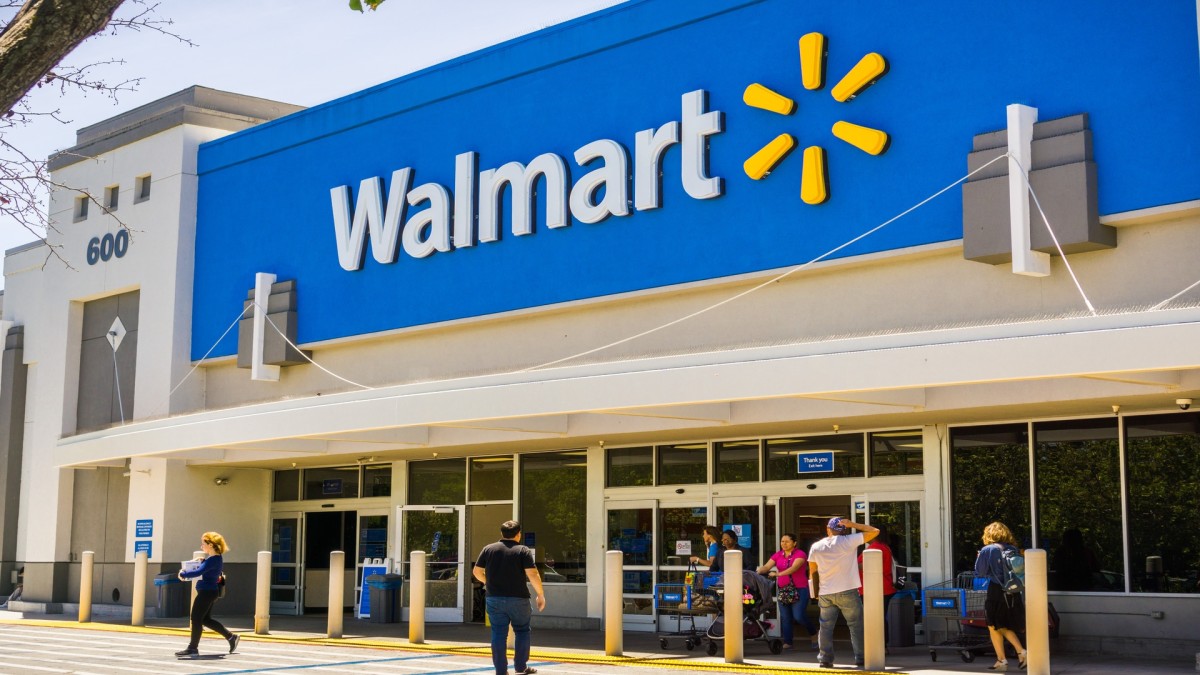
As the retail landscape continues to evolve, Walmart is making aggressive moves to outmaneuver its arch-rival Amazon, setting the stage for a high-stakes battle for customer loyalty and market share in the US retail sector, with significant implications for investors tracking Walmart’s stock performance.
Key Takeaways
- Walmart is intensifying its efforts to attract and retain customers in a highly competitive retail environment.
- The strategy involves enhancing the shopping experience, both in-store and online, to better compete with Amazon’s convenience and range.
- This move by Walmart reflects the broader trend of traditional retailers adapting to the digital age and the rise of e-commerce.
Walmart’s Strategic Shift: A Deep Dive
Walmart, one of the world’s largest retailers, is doubling down on its strategy to lure customers away from Amazon, its main competitor in the e-commerce space. This involves a multifaceted approach, including improving its online shopping platform, enhancing the in-store experience, and possibly expanding its services to include more personalized and convenient options for its customers. By doing so, Walmart aims to leverage its vast physical store network as a strategic advantage, offering services like same-day delivery and in-store pickup for online orders, which can be particularly appealing in an era of inflation, where consumers are looking for value and convenience.
Imagine an investor who has been tracking Walmart’s efforts to transition into a more omnichannel retailer. This investor would likely be interested in how Walmart’s strategy to compete with Amazon could impact the company’s bottom line and stock performance over time. Historical context suggests that similar strategic shifts in the retail sector have led to significant market movements, as seen in the retail apocalypse of the late 2010s, where many traditional retailers struggled to adapt to the rise of e-commerce.
Context: Why This Matters Now
The current economic landscape, marked by inflationary pressures and shifts in consumer behavior, underscores the importance of Walmart’s strategy. As consumers become more price-conscious and seek out convenient shopping experiences, retailers must adapt quickly to remain competitive. This is not the first time retailers have faced such challenges; similar scenarios have played out in the past, such as the 2008 financial crisis, where retailers that were agile and customer-focused managed to navigate the downturn more successfully.
Historically, strategic moves by large retailers like Walmart have had significant ripple effects across the retail sector, influencing consumer behavior, market trends, and investor sentiment. The ongoing competition between Walmart and Amazon is a prime example, with each company continually pushing the other to innovate and improve its offerings, ultimately benefiting the consumer.
Pros and Cons for Your Portfolio
- Risk: One potential downside for investors is that Walmart’s heavy investment in its e-commerce capabilities and customer experience enhancements may not yield immediate returns, potentially affecting short-term profitability and stock price.
- Opportunity: On the other hand, if Walmart’s strategy pays off, it could lead to significant long-term growth, increased customer loyalty, and a stronger competitive position against Amazon, making it an attractive investment opportunity for those with a long-term perspective.
What This Means for Investors
For investors considering Walmart as part of their portfolio, it’s essential to take a strategic perspective, weighing the potential risks and opportunities. Given Walmart’s commitment to evolving its business model to meet changing consumer demands, investors may want to consider holding or even increasing their stake in the company, especially if they believe in the long-term viability of Walmart’s strategy to outcompete Amazon. However, this decision should be made after careful consideration of one’s overall investment goals and risk tolerance, as well as a thorough analysis of the retail sector’s outlook and the potential impact of market volatility.
Ultimately, Walmart’s bold strategy to outshine Amazon and win customers represents a critical moment in the retail sector, with implications for consumers, investors, and the broader economy. As the retail landscape continues to evolve, investors will be closely watching how this competition unfolds, looking for signs of which strategies are paying off and how they might impact their investments.