


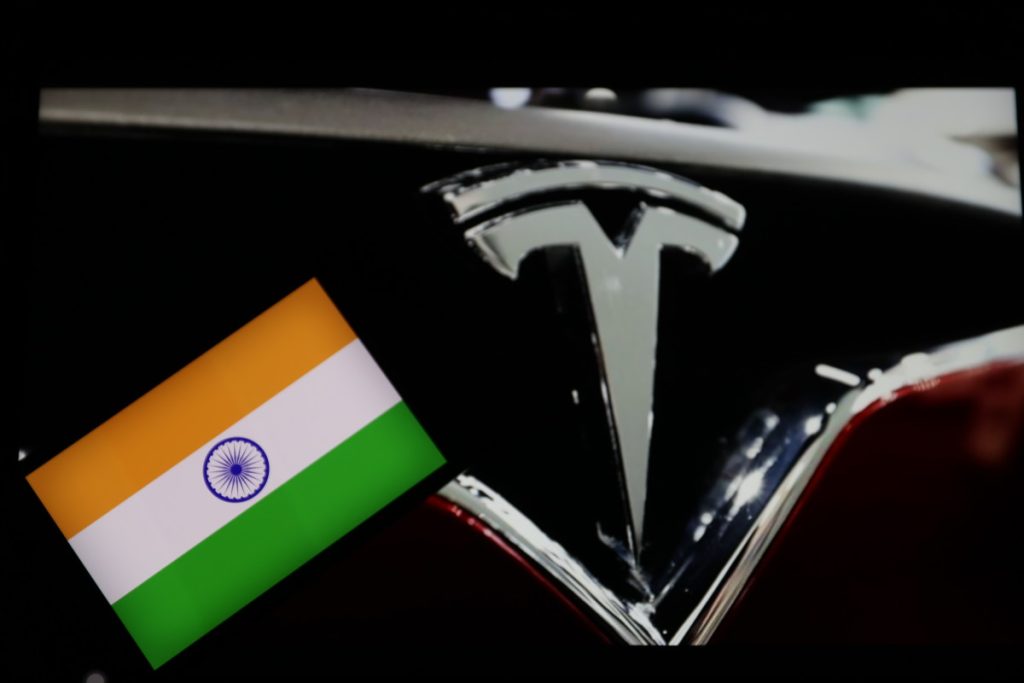
The recent exclusion of Tesla from the White House’s latest trade deal has sent shockwaves through the investment community, leaving many to wonder what’s next for the electric vehicle giant and its CEO, Elon Musk, who had notably supported Donald Trump’s presidential campaign.
Key Takeaways
- Tesla’s exclusion from the latest trade deal marks a significant shift in the company’s relationship with the current administration.
- Elon Musk’s previous support for Donald Trump, including spending hundreds of millions of dollars and using his social media platform to boost Trump’s online presence, did not guarantee inclusion in the trade deal.
- The move could have implications for Tesla’s stock price and the broader electric vehicle market, as trade agreements often impact tariffs and market access.
Tesla and Trade Deals: A Deep Dive
Tesla, Inc. is an American electric vehicle and clean energy company that has been at the forefront of the electric vehicle revolution. The company’s exclusion from the latest trade deal is a significant development, especially given Elon Musk’s previous support for the Trump administration. Musk had not only contributed financially to Trump’s campaign but also used his influence on social media to promote Trump’s agenda.
This level of support from a major corporate leader is unusual, and the exclusion of Tesla from the trade deal raises questions about the current administration’s priorities and the future of the electric vehicle industry. The trade deal in question likely involves tariffs and market access agreements that could significantly impact Tesla’s bottom line and its ability to compete in the global market.
Imagine an investor who bought Tesla stock hoping to benefit from the company’s expected growth in the electric vehicle market. This investor would now need to reassess their investment strategy in light of the trade deal exclusion and consider how it might affect Tesla’s stock price and the broader industry.
Context: Why This Matters Now
The exclusion of Tesla from the trade deal is happening at a time of significant change in the global economy. The COVID-19 pandemic has disrupted supply chains and altered consumer behavior, leading to increased demand for electric vehicles. At the same time, governments around the world are implementing policies to reduce carbon emissions and promote sustainable energy sources.
Similar to the 2008 financial crisis, which led to a significant increase in government intervention in the economy, the current economic landscape is characterized by a high level of government involvement in the energy sector. The trade deal exclusion is a manifestation of this trend and highlights the importance of understanding the complex relationships between government policy, trade agreements, and the stock market.
A key concept to understand in this context is protectionism, which refers to the practice of protecting domestic industries through tariffs and other trade barriers. The exclusion of Tesla from the trade deal could be seen as a form of protectionism, as it may give an advantage to domestic electric vehicle manufacturers over foreign competitors.
Pros and Cons for Your Portfolio
- Risk: The exclusion of Tesla from the trade deal could lead to increased tariffs on Tesla’s imports, making its vehicles more expensive for consumers and potentially reducing demand. This could have a negative impact on Tesla’s stock price and the broader electric vehicle market.
- Opportunity: On the other hand, the exclusion of Tesla from the trade deal could also create opportunities for other electric vehicle manufacturers to fill the gap in the market. Investors who are looking to diversify their portfolios may want to consider companies that are well-positioned to benefit from the growing demand for electric vehicles.
What This Means for Investors
In light of the exclusion of Tesla from the trade deal, investors should carefully consider their investment strategy and assess the potential risks and opportunities in the electric vehicle market. This may involve diversifying their portfolios to include a range of companies that are well-positioned to benefit from the growing demand for electric vehicles.
Investors should also keep a close eye on government policy and trade agreements, as these can have a significant impact on the stock market and the broader economy. By staying informed and adapting to changing market conditions, investors can make informed decisions and navigate the complex landscape of the electric vehicle industry.
Ultimately, the exclusion of Tesla from the trade deal is a reminder of the importance of staying up-to-date with the latest developments in the market and being prepared to adjust investment strategies as needed. As the electric vehicle market continues to evolve, investors who are able to adapt and respond to changing market conditions will be well-positioned to benefit from the growth and innovation in this sector.

 Big Four Firms Issue Stark AI Adoption Warning
  Federal Workers Face Reality Check Under New White House Policy
  Amazon’s Controversial New Device Feature: What You Need
  Fed Rate Cut Timing: What Investors Need to Know Now
  Uber Eats Introduces New Rule: Will Your Order Cost More Now
  Vintage Cottagecore Quilt Set on Sale for $40 at Amazon