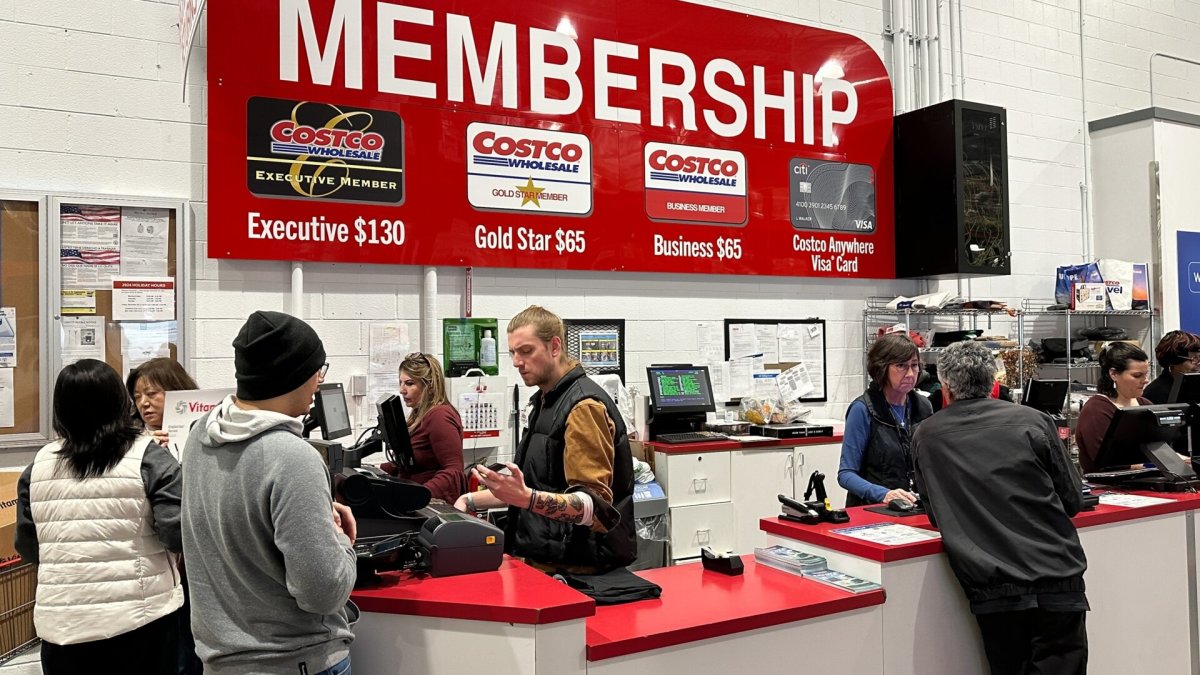
As the retail landscape continues to evolve, Costco’s strategy to encourage its members to upgrade to Executive Membership has significant implications for investors, highlighting the importance of understanding the financial dynamics behind membership models and their impact on business operations.
Key Takeaways
- Costco is incentivizing its members to upgrade to Executive Membership, which comes with a higher annual fee of $130 compared to the $65 Gold Star membership.
- Executive Members have more incentive to visit Costco stores due to the benefits associated with their membership tier, potentially increasing foot traffic and sales for the company.
- The strategy by Costco reflects a broader trend in the retail sector where companies are focusing on enhancing customer loyalty and retention through premium membership programs.
Understanding Costco’s Membership Model: A Deep Dive
Costco’s approach to membership is centered around providing value to its customers, whether they opt for the basic Gold Star membership or the more premium Executive Membership. The Executive Membership, priced at $130 per year, offers additional benefits such as travel discounts, insurance services, and higher rewards on purchases, making it an attractive option for frequent shoppers. By encouraging members to upgrade, Costco aims to increase revenue per user and foster a more loyal customer base.
The concept of price tiering is crucial here, as it allows Costco to cater to a wide range of customers while maximizing its revenue potential. This strategy is not unique to Costco and is seen in various industries where companies offer different levels of service or benefits at varying price points to appeal to different segments of their customer base.
Context: Why This Matters Now
The current economic landscape, marked by inflationary pressures and changing consumer behavior, makes the strategy adopted by Costco particularly relevant. Inflation, which refers to the rate at which prices for goods and services are rising, can erode the purchasing power of consumers, leading them to be more discerning about their spending. By offering a premium membership that provides tangible benefits, Costco is attempting to mitigate the effects of inflation on its customer base and maintain sales volumes.
Historically, similar strategies have been employed by companies during periods of economic uncertainty. For instance, during the 2008 financial crisis, many retailers focused on enhancing customer loyalty programs to retain their customer base. The success of such strategies depends on the ability of companies to deliver value that outweighs the costs, thereby justifying the premium prices to consumers.
Pros and Cons for Your Portfolio
- Risk: One potential downside for investors is that if Costco’s strategy does not yield the expected results, it could lead to a decline in membership upgrades and, consequently, a decrease in revenue. This risk is exacerbated by the competitive retail environment where consumers have numerous options for their shopping needs.
- Opportunity: On the other hand, if the strategy is successful, it could lead to increased revenue and profitability for Costco, making it an attractive investment opportunity. The success of premium membership models can also serve as a catalyst for growth, allowing the company to expand its services and enhance its market position.
What This Means for Investors
For investors considering Costco or similar retail stocks, it’s essential to evaluate the company’s strategy in the context of the broader market and economic trends. The focus should be on whether the premium membership model can drive sustainable growth and enhance customer loyalty. Investors should also consider the competitive landscape and how other retailers are responding to similar challenges. Ultimately, a strategic investment perspective that takes into account both the potential upside and downside of such business models is crucial for making informed decisions.
Imagine an investor who is looking to diversify their portfolio with retail stocks. They would need to weigh the pros and cons of investing in a company like Costco, considering factors such as its market position, the effectiveness of its membership model, and the overall health of the retail sector. This involves a deep dive into the company’s financials, industry trends, and consumer behavior to assess the potential for long-term growth and returns.