


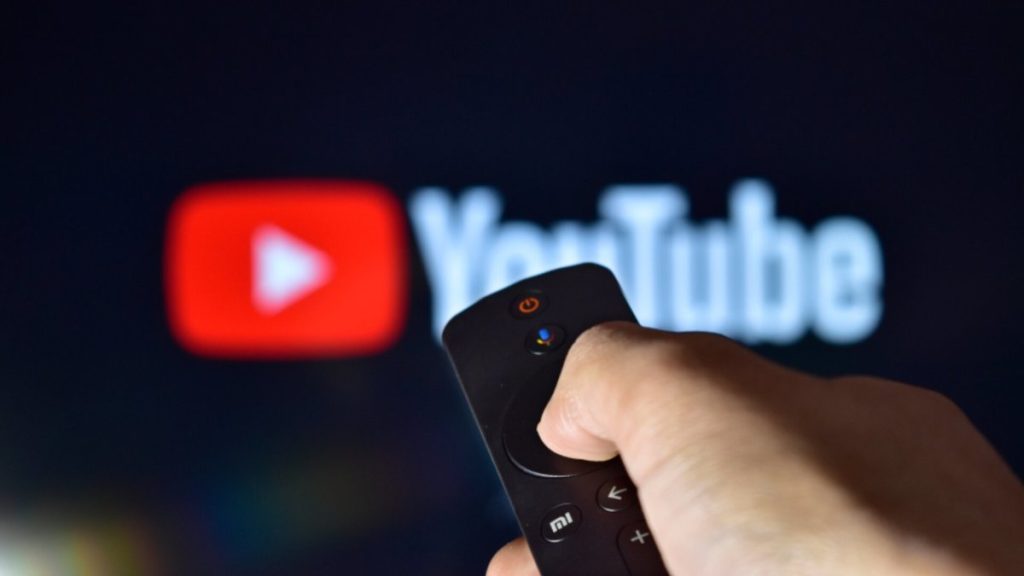
As the US economy continues to face challenges, with projections indicating that 80.7 million households will soon be “cord-cutters” or “cord-nevers”, outnumbering traditional cable subscribers, investors are keenly watching the shifts in consumer behavior and their implications on the media and entertainment industry.
Key Takeaways
- Cord-cutting is becoming a dominant trend, with 80.7 million U.S. households expected to ditch traditional cable by early 2026.
- YouTube TV’s introduction of 12 new offers is a strategic move to retain subscribers in a highly competitive market.
- The shift towards cord-cutting is largely driven by economic factors, including the search for cost-effective entertainment options.
YouTube TV’s Strategic Move: A Deep Dive
YouTube TV’s decision to unveil 12 new offers is a clear response to the growing trend of cord-cutting and the increasing competition in the streaming services market. By expanding its offerings, YouTube TV aims to provide a more personalized experience for its subscribers, potentially increasing customer loyalty and attracting new users who are looking for more tailored content options.
This move is significant because it highlights the evolving nature of consumer preferences in the entertainment sector. As more households cut the cord, streaming services like YouTube TV, Netflix, and Hulu are facing intense competition to provide unique, high-quality content that justifies the cost of subscription in a strained economy.
Context: Why This Matters Now
The economic factors driving the cord-cutting trend are multifaceted. The strain on household budgets due to inflation and other economic pressures is leading consumers to reevaluate their spending on entertainment. With the cost of living increasing, the traditional cable model, which often bundles numerous channels that may not be watched, is becoming less appealing. In contrast, streaming services offer more flexibility and often at a lower cost, making them an attractive alternative for budget-conscious consumers.
Historically, similar shifts in consumer behavior have been observed during economic downturns. For instance, during the 2008 financial crisis, there was a notable increase in the adoption of cost-effective technologies and services. The current trend towards cord-cutting and the preference for streaming services over traditional cable can be seen as a similar response to economic uncertainty.
Pros and Cons for Your Portfolio
- Risk: The rapid evolution of consumer preferences in the entertainment sector poses a significant risk for investors in traditional media companies. The decline of the traditional cable model could lead to financial losses for companies that are slow to adapt to the changing landscape.
- Opportunity: On the other hand, the growth of streaming services presents a substantial investment opportunity. Companies like YouTube TV, which are at the forefront of this shift, could see significant gains as they capture a larger share of the entertainment market. Additionally, the potential for innovation and expansion in streaming technology and content creation offers a wide range of investment possibilities.
What This Means for Investors
Given the current market trends and the strategic moves of companies like YouTube TV, investors should consider a diversified approach that balances traditional media investments with those in the streaming and digital entertainment sector. This could involve investing in companies that are leading the charge in streaming services, as well as those that are innovating in content creation and digital distribution.
Moreover, investors should keep a close eye on consumer behavior and economic indicators, as these will continue to influence the entertainment industry’s trajectory. The ability to adapt to changing consumer preferences and economic conditions will be crucial for the success of investments in this sector. By taking a strategic and informed approach, investors can navigate the challenges and opportunities presented by the shift towards cord-cutting and the rise of streaming services.
Ultimately, the key to success in this evolving landscape will be the ability to identify and capitalize on emerging trends and technologies. Investors who can balance risk and opportunity, and who are willing to embrace innovation and change, are likely to find significant rewards in the entertainment and media sector.

 What Your Cardiologist Wants You to Know About Wearable Tech
  Goldman Sachs Slashes Nvidia Forecast: What’s Next?
  Walmart’s 4-Pack Solar Security Lights Sale: $39 Now $18
  Morgan Stanley’s Bold S&P 500 Prediction Revealed
  Walmart’s Rolling Under-Bed Storage Bins: $30 for 24 Pairs of Shoes
  Top 2 Drug Stocks to Buy in 2026 According to Barclays