

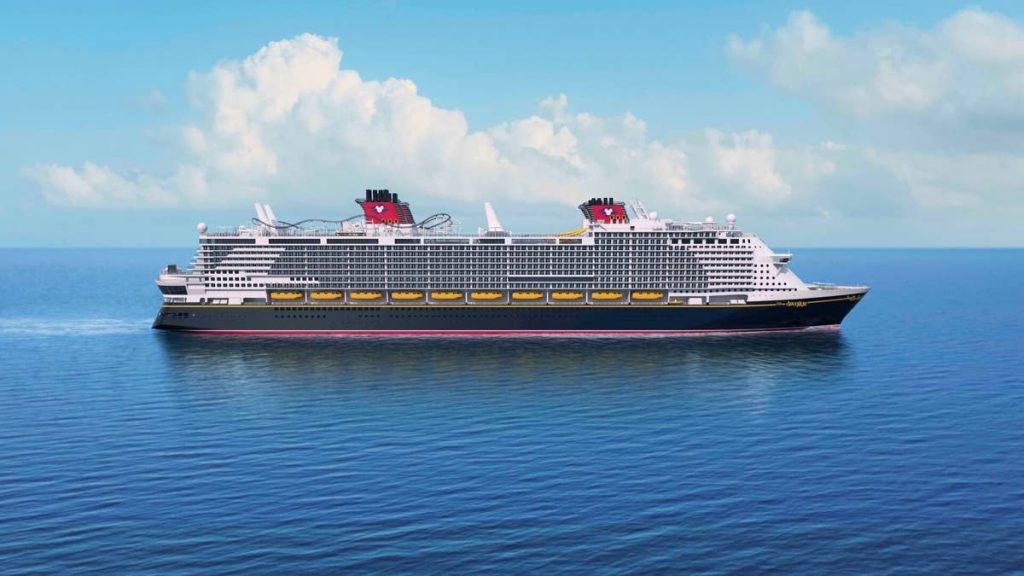
As Disney’s ambitious expansion plans for its cruise fleet continue to captivate investors, a sudden cancellation of existing bookings has left many wondering about the implications for their wallets and portfolios.
Key Takeaways
- Disney’s cruise business faces significant disruptions with the cancellation of bookings.
- The company’s plans to double its fleet from seven to 13 ships pose substantial financial risks.
- Investors need to reassess their portfolios and consider the potential impact on their returns.
Disney’s Cruise Expansion: A Deep Dive
Disney’s foray into the cruise industry began in 1998 with the maiden voyage of the Magic ship, a 2,700-passenger vessel that set the tone for the company’s ambitious expansion plans. Over the years, Disney has gradually increased its fleet size, with a current total of seven ships sailing to various destinations around the world. However, the company’s current plan is to nearly double its fleet from seven to 13 ships, a move that has sparked both excitement and concern among investors.
The expansion plan is a testament to Disney’s commitment to diversification and growth. By entering the cruise industry, the company aims to tap into a lucrative market that has seen significant growth in recent years. However, the plan also poses substantial financial risks, particularly in light of the current economic uncertainty.
Context: Why This Matters Now
The cruise industry has experienced significant growth in recent years, driven by increasing demand for luxury travel experiences. However, the industry has also faced numerous challenges, including rising fuel costs, increased competition, and the impact of global events such as pandemics and economic downturns.
In this context, Disney’s expansion plan is both a strategic move to capitalize on the growing demand for cruise travel and a high-risk venture that could expose the company to significant financial losses. The COVID-19 pandemic has already had a profound impact on the industry, with many cruise lines facing significant financial challenges. Disney’s decision to expand its fleet at this time may seem bold, but it also highlights the company’s confidence in the long-term prospects of the cruise industry.
Pros and Cons for Your Portfolio
- Risk: Disney’s expansion plan poses significant financial risks, particularly in light of the current economic uncertainty. The company’s decision to double its fleet from seven to 13 ships may expose it to increased costs, reduced demand, and decreased profit margins.
- Opportunity: On the other hand, Disney’s expansion plan also presents a significant opportunity for investors who are willing to take on the associated risks. The company’s diversified portfolio and strong brand recognition make it an attractive investment opportunity, particularly in a market where growth and innovation are highly valued.
What This Means for Investors
As investors, it is essential to reassess their portfolios and consider the potential impact of Disney’s expansion plan on their returns. While the plan poses significant risks, it also presents a compelling opportunity for those who are willing to take on the associated risks. Investors should carefully evaluate their investment strategies and consider the following options:
Buy: If you believe in Disney’s expansion plan and the long-term prospects of the cruise industry, consider investing in the company’s stock. However, be aware of the associated risks and ensure that you have a diversified portfolio.
Sell: If you are concerned about the financial risks associated with Disney’s expansion plan, consider selling your shares or reducing your exposure to the company’s stock.
Hold: If you are unsure about the implications of Disney’s expansion plan or are waiting for more information, consider holding onto your shares or maintaining your current investment strategy.
Ultimately, the decision to invest in Disney’s stock or any other investment opportunity depends on your individual financial goals, risk tolerance, and investment strategy. As with any investment decision, it is essential to conduct thorough research, consult with a financial advisor, and carefully evaluate the potential risks and rewards before making a decision.

