

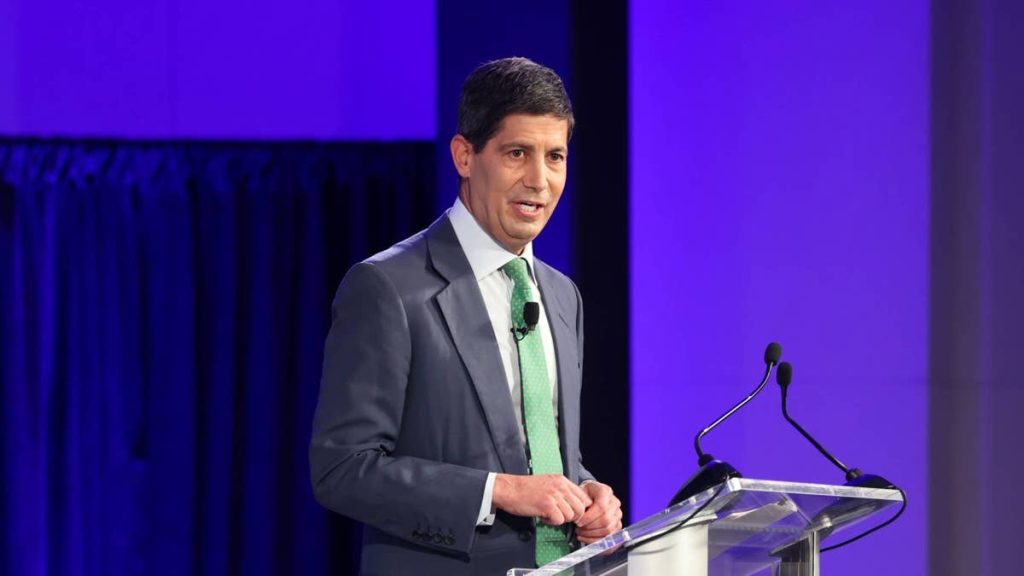
As the market waits with bated breath for the confirmation of a new Federal Reserve Chair, investors are left wondering what this means for the future of monetary policy in the US.
Key Takeaways
- The Senate Banking Committee is yet to schedule a hearing for Fed Chair nominee Kevin Warsh, leaving the market uncertain about the direction of monetary policy.
- The delay in the hearing has sparked concerns about the potential impact on inflation and interest rates.
- The confirmation of Warsh as the new Fed Chair could have significant implications for the US economy and financial markets.
Understanding the Role of the Federal Reserve Chair
The Federal Reserve Chair plays a crucial role in shaping monetary policy in the US. The Chair is responsible for setting interest rates and regulating the money supply to promote maximum employment and price stability.
What is Inflation, and How Does it Work?
Inflation is a sustained increase in the general price level of goods and services in an economy over time. It is measured as an annual percentage increase in the Consumer Price Index (CPI). The Federal Reserve’s primary goal is to keep inflation low and stable, typically around 2% annual rate.
How Does the Federal Reserve Regulate Inflation?
The Federal Reserve uses monetary policy tools to regulate inflation. When inflation is rising, the Fed can raise interest rates to reduce borrowing and spending, thereby reducing demand for goods and services and slowing down inflation. Conversely, when inflation is low, the Fed can lower interest rates to stimulate borrowing and spending, thereby increasing demand and boosting inflation.
Context: Why This Matters Now
The delay in the hearing for Fed Chair nominee Kevin Warsh has sparked concerns about the potential impact on inflation and interest rates. The market is waiting for clarity on the direction of monetary policy, which could have significant implications for the US economy and financial markets.
Hypothetical Examples: What This Means for Investors
Imagine an investor who bought stocks in 2020, expecting a low-interest-rate environment to boost the market. If the Federal Reserve raises interest rates to combat inflation, this investor’s portfolio may be negatively impacted as higher interest rates reduce the attractiveness of stocks and increase the cost of borrowing.
Historical Context: Similar Delays in the Past
In 2013, President Barack Obama’s nominee for the Federal Reserve Board, Larry Summers, withdrew his name from consideration after facing opposition from lawmakers. Similarly, in 2017, President Donald Trump’s nominee for the Federal Reserve Board, Stephen Moore, faced criticism from lawmakers and ultimately withdrew his name from consideration.
Pros and Cons for Your Portfolio
- Risk: Higher interest rates may reduce the attractiveness of stocks and increase the cost of borrowing, negatively impacting your portfolio.
- Opportunity: A clear direction on monetary policy from the new Fed Chair could provide a catalyst for the market, leading to increased investor confidence and higher stock prices.
What This Means for Investors
Investors should be prepared for a potential increase in volatility as the market waits for clarity on the direction of monetary policy. A diversified portfolio with a mix of stocks, bonds, and other assets can help reduce risk and provide a potential opportunity for growth in the long term.
Conclusion
The confirmation of a new Federal Reserve Chair is a critical development for the US economy and financial markets. Investors should stay vigilant and be prepared for a potential increase in volatility as the market waits for clarity on the direction of monetary policy.
What’s Next?
The market will be watching closely for the scheduled hearing of Fed Chair nominee Kevin Warsh. Investors should be prepared for a potential increase in volatility and consider a diversified portfolio with a mix of stocks, bonds, and other assets to reduce risk and provide a potential opportunity for growth in the long term.

